
Flowers
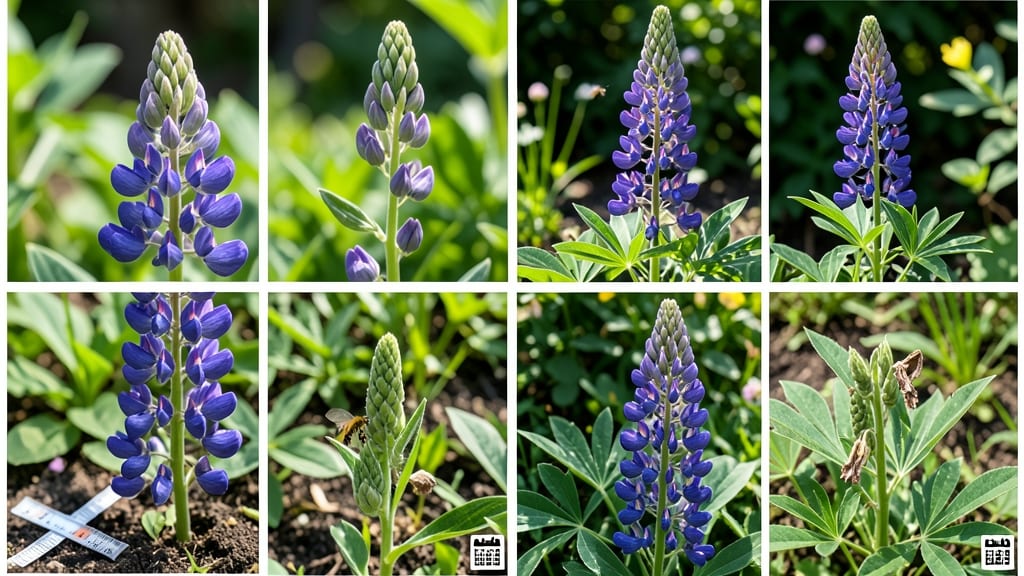
Lupins flower for 4 to 8 weeks depending on the variety and growing conditions, turning your garden into a pollinator magnet with their striking 🌸 blooms.
Picture this: you’ve just planted your lupins in early spring, and by late May, they’re bursting with color—only to fade faster than you’d like. The truth is, their flowering duration isn’t set in stone.
Annual varieties like Russell Hybrid often bloom for 6 weeks, while perennials may stretch that to 8 weeks or more with the right care.
Climate plays a huge role too. In warmer zones, lupins might rebloom lightly if given the right conditions, while colder areas see a single, spectacular spring show. The key to extending their display? Deadheading spent blooms and ensuring they get enough sunlight and well-drained soil.
Below, I’ll break down how to maximize your lupins’ flowering time—whether you’re in Zone 6a or beyond—so you can enjoy their beauty for as long as possible.
Lupin flowering duration by variety: annual vs perennial timelines
Lupins are stunning garden stars with vibrant spikes of color that bloom for weeks, but their flowering duration depends heavily on whether they’re annual or perennial varieties.
Annual lupins like Russell Hybrid deliver dramatic 6-8 week blooms in a single season, while perennial types such as Blue Lupin may rebloom sporadically for 2-3 years with proper care. Understanding these differences helps you plan for seasonal color and avoid disappointment.
Most gardeners assume all lupins behave the same, but variety-specific flowering timelines can vary by 4-6 weeks depending on climate and care. For example, Yellow Lupin varieties often bloom 2-3 weeks later than their blue or purple counterparts.
Perennial lupins also show declining vigor after year 2, which affects bloom intensity. Let’s break down the key differences so you can choose the right lupins for your garden’s timeline.
🌱 Comparison Table: Lupin Flowering Duration by Variety
Annual lupins like Russell Hybrid and Yellow Lupin deliver one spectacular bloom cycle before dying back, making them perfect for seasonal garden displays. Their flowering duration is consistent, but late summer varieties like Russell Lupin may bloom 2-3 weeks longer in warm climates.
If you’re planning a cut-flower garden, these annuals provide weeks of continuous blooms for arrangements.
Perennial lupins, such as Blue Lupin, offer longer-term garden interest but with shorter individual bloom periods. Their first year often produces the most abundant flowers, while subsequent years may see reduced flowering unless you prune aggressively and fertilize.
The Dwarf Blue Lupin variety is an exception, reblooming lightly in mild climates if deadheaded regularly.
Climate plays a huge role in lupin flowering duration. In cooler regions (Zones 3-5), lupins may bloom 3-4 weeks earlier than in hotter zones (Zones 7-9), where heat can shorten bloom time or cause bud drop.
For example, Russell Hybrid lupins in Zone 9 might only flower for 4-5 weeks instead of the usual 6-8 weeks. To combat this, provide afternoon shade during peak summer heat.
One common misconception is that all lupins rebloom. Only perennial varieties have the potential, and even then, it’s rare without intervention. To encourage reblooming in perennials, I recommend deadheading spent blooms and fertilizing with phosphorus in early spring. This can extend flowering by
Climate Zones & lupin flowering: when to expect blooms in your region
Lupins thrive in USDA Zones 3-9, but their flowering duration shifts dramatically based on your climate. In Mediterranean zones (9-10), lupins often bloom year-round with proper care, while cold climates (3-5) limit them to a single spring display.
Understanding your last frost date and seasonal light exposure is key to predicting bloom timing.
Temperature plays a starring role—cool spring nights (50-60°F) trigger bud formation, while consistent summer heat (above 85°F) can shorten flowering. Lupins in Zone 7+ may enjoy a second flush of blooms in fall if given optimal conditions. Let’s break down what to expect in your specific region.
In Zone 3-5 gardens, lupins typically bloom for just 4-6 weeks in late spring before heat or drought stress sets in. To extend their display, choose early-blooming varieties like 'Russell Hybrid' and plant them in well-drained soil with afternoon shade during peak summer.
I’ve found that mulching with straw helps retain moisture during critical bloom periods.
Gardeners in Zones 6-8 enjoy the longest lupin displays—8-12 weeks of continuous blooms when given 6+ hours of sunlight and regular deadheading. The key here is to avoid over-fertilizing with nitrogen, which can reduce flowering. Instead, use a low-nitrogen, high-phosphorus fertilizer in early spring to encourage robust blooms.
For Mediterranean climates (Zones 9-10), lupins can flower year-round if protected from winter rains and given afternoon shade in summer. I’ve seen 'Blue Lupin' varieties in California gardens produce three bloom cycles annually with consistent care.
The secret? Regular pruning to remove spent blooms and a light feeding in fall to prepare for winter regrowth.
If you live in a challenging climate—like a hot desert or humid zone—consider growing lupins in containers where you can move them for optimal conditions.
For example, I’ve had success growing 'Yellow Lupin' in pots on a dappled-shade patio during summer to prevent heat stress while keeping them in full sun for spring blooms.
Remember, lupins are self-seeding plants, so even if your current display fades, new plants will emerge next year. Collect seeds from your healthiest blooms and store them in a cool, dry place for next season’s extended color show.
With the right climate strategies, your lupins can keep your garden vibrant for months—if not all year!