
Size
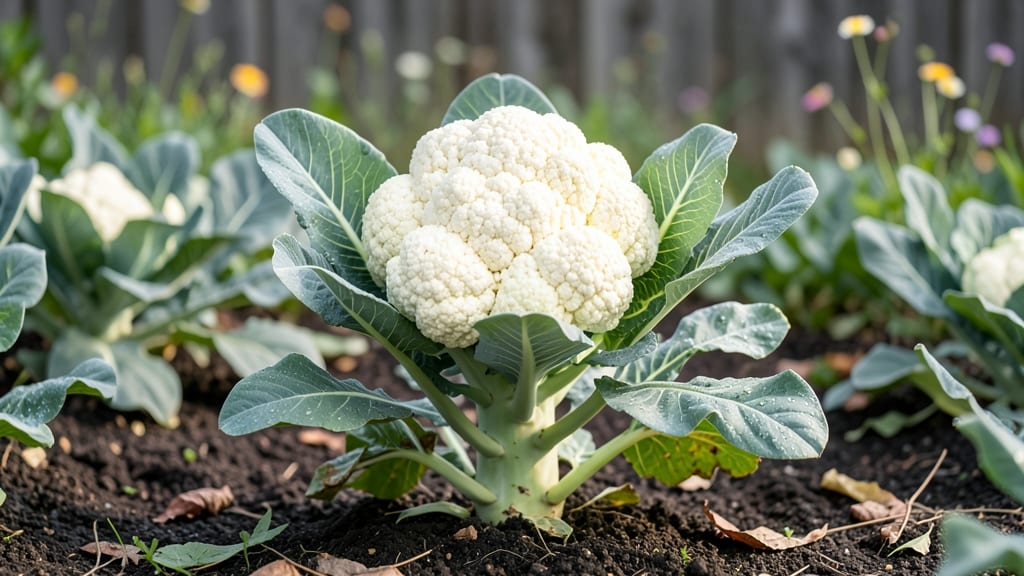
Growing cauliflower 🥬 takes anywhere from 50 to 120 days, depending on the variety and conditions—so timing your harvest isn’t just a guess, it’s a science.
Picture this: you’ve just planted your seeds in early spring, dreaming of that perfect head by summer. But without knowing the exact growth timeline for your chosen variety, you might end up with bitter, overmature curds—or worse, nothing at all.
The key to success lies in understanding how early-maturing varieties like 'Snowball' can be ready in as little as 60 days, while heirloom types like 'Romanesco' might take closer to 100 days.
Climate, soil prep, and even watering all play a role in speeding up or slowing down that timeline.
In this guide, I’ll break down the exact stages of growth, how to spot a ready-to-harvest head, and the 3 biggest mistakes that stall progress. By the end, you’ll know exactly when to expect that first harvest—and how to get there faster.


Cauliflower growth timeline by variety: fastest to slowest harvest times
If you're planning your garden and wondering how long does cauliflower take to grow, the answer depends entirely on the variety you choose. Some cauliflowers mature in as little as 50 days, while others take nearly 120 days to reach harvest.
Understanding these differences helps you select the perfect variety for your growing season and climate. Let's break down the fastest and slowest maturing cauliflowers so you can plan your planting schedule with confidence.
For gardeners in cooler climates, choosing early-maturing varieties is key to avoiding bolting (premature flowering) triggered by warm temperatures. Meanwhile, those in mild climates can opt for slower-maturing varieties that produce larger, more flavorful heads.
The days to maturity listed below are based on ideal growing conditions—full sun, well-draining soil, and consistent moisture—but real-world results may vary slightly.
| Variety | Days to Maturity | Head Size | Color | Best For |
|---|---|---|---|---|
| Early White | 50-60 days | 4-6 inches | White | Short seasons, containers |
| Snowball Y Improved | 60-70 days | 6-8 inches | White | Home gardens, early harvests |
| Purple of Sicily | 70-80 days | 8-10 inches | Purple | Heat tolerance, ornamental value |
| Romanesco | 80-90 days | 6-8 inches | Green | Unique shape, gourmet cooking |
| Snowball | 90-100 days | 10-12 inches | White | Large yields, classic varieties |
| Orange Duke | 100-110 days | 8-10 inches | Orange | Sweet flavor, late season |
| Violetto | 110-120 days | 12-14 inches | Purple | Long season, ornamental |
The fastest-maturing variety, Early White, is perfect for gardeners with short growing seasons or those who want to squeeze in multiple harvests. With just 50-60 days to maturity, it's ideal for container growing or early spring plantings.
If you're in Zone 5 or colder, this variety gives you the best chance of harvesting before fall frost sets in.
For those who prefer larger heads and don't mind waiting, Violetto and Orange Duke produce stunning, flavorful heads but require 110-120 days to reach harvest. These varieties thrive in longer growing seasons (Zones 6-9) and reward patient gardeners with heirloom-quality produce.
The purple color in Violetto also adds a beautiful contrast to your garden.
If you're growing cauliflower in co
Key stages of cauliflower growth: what to watch for each Week
Tracking your cauliflower's progress week by week ensures you spot issues early and adjust care for a bountiful harvest. From tiny sprouts to mature heads, each stage has distinct visual cues and care needs. I’ll walk you through what to expect—and what to fix—if growth stalls or pests appear.
Cauliflower growth unfolds in 4 key phases: germination, leaf development, head formation, and maturity. The timeline varies by variety, but most take 75-100 days from seed to harvest. Early varieties like 'Snowball Y' mature in 50-60 days, while heirlooms like 'Romanesco' can take 120+ days.
- 1 Week 1-2: Germination – Seeds sprout in 5-10 days with warm soil (70°F+). Look for tiny green shoots breaking soil. Keep soil moist but not soggy.
- 2 Week 3-4: Leaf Growth – Plants develop 6-8 leaves. Thin seedlings to 12 inches apart to prevent competition. Yellow leaves signal overwatering or nutrient deficiency.
- 3 Week 5-8: Head Formation – Curly leaves appear, and the head starts forming (3-4 inches wide). Tie outer leaves over the head if it’s light-exposed (prevents browning). Stalled growth? Check for aphids or cabbage worms.
- 4 Week 9-12: Maturity – Head reaches 6-8 inches and feels firm. Harvest before leaves yellow or head opens. Late varieties may need shade cloth in hot weather to avoid bolting.
During head formation (weeks 5-8), cauliflower is most vulnerable to pests like cabbage loopers or diseases like clubroot. I recommend hand-picking pests and using neem oil as a preventive spray. If heads split or turn yellow, it’s often due to fluctuating temperatures or over-maturity.
Pro tip: Blanch the head by tying leaves over it in the final weeks. This keeps it tight and white (or colored, depending on variety). For purple or orange varieties, avoid blanching—their colors deepen with sun exposure.
By week 10, your cauliflower should be ready for harvest if the head is compact and leaves are vibrant. If not, check your soil pH (6.0-7.0) and fertilizer balance. Over-fertilizing with nitrogen can delay head formation, so switch to a low-nitrogen, high-phosphorus feed once leaves stop growing.
🌱