
How To
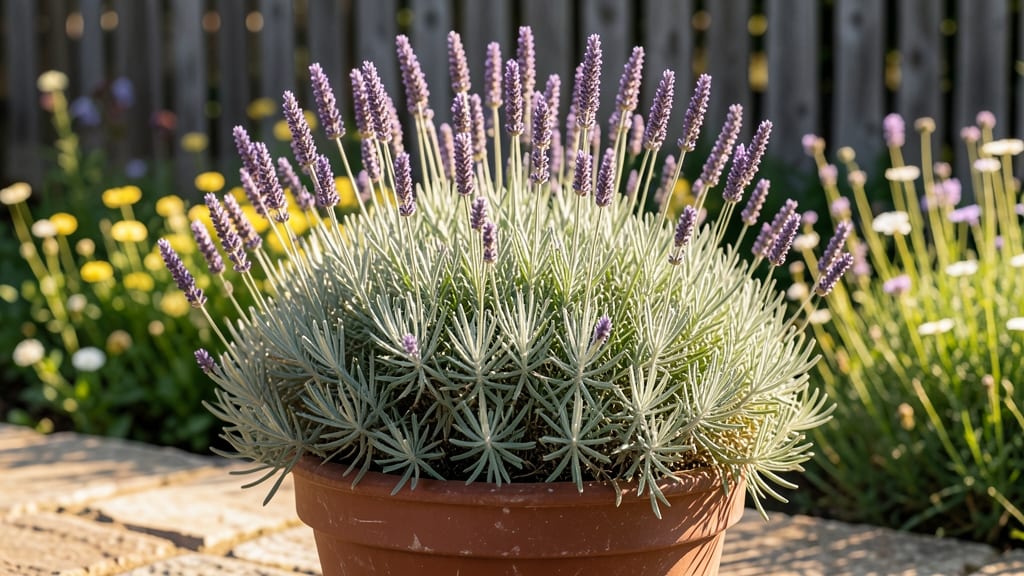
Lavender typically takes between 90 and 180 days to flower after planting, depending on the variety and growing conditions you provide.
If you’ve ever planted lavender and waited impatiently for those fragrant purple blooms, you know timing can feel like a guessing game. Some varieties, like English lavender, may bloom in as little as 90 days, while others, such as Spanish lavender, can take closer to six months.
The key to faster blooms lies in your climate zone, soil quality, and sunlight exposure. In USDA Zone 6a, where many gardeners grow lavender, planting in early spring ensures the plant gets the full growing season to establish roots and prepare for flowering.
Below, I’ll break down the flowering timeline by popular lavender varieties, share how to encourage earlier blooms, and answer common questions—like whether lavender flowers every year or just once. Let’s get those 🌸 blooms happening sooner!
Lavender flowering timeline by popular varieties: months to first bloom
If you're eager to see those fragrant purple spikes of lavender bloom, timing is everything! Most lavender varieties take 1-2 years from planting to first flower, but some fast-flowering types can surprise you sooner.
The exact timeline depends on whether you're growing from seed, cuttings, or nursery plants, plus your local climate. Let's break down the flowering schedules for the most popular lavender varieties so you can plan your garden for maximum impact.
For gardeners impatient to see blooms, nursery-grown plants (1-year-old) often flower within 6-12 months of planting, while seeds may take 2 years or longer. French lavender, like 'Grosso', tends to bloom earliest, while some English lavenders like 'Hidcote' may take a little longer.
Understanding these timelines helps you choose the right variety for your garden timeline and climate zone.
| Variety | Type | Time to First Bloom (Years) | Peak Bloom Months (US) | Notes |
|---|---|---|---|---|
| 'Grosso' (French) | French | 6-12 months | June-August | Fastest bloomer; drought-resistant |
| 'Provence' (French) | French | 1 year | May-July | Compact; great for containers |
| 'Hidcote' (English) | English | 1.5-2 years | June-August | Dark purple; slower but long-lasting |
| 'Munstead' (English) | td style="padding: 10px; border-bottom: 1px solid #ddd;">English1.5 years | June-September | Classic; repeat blooms | |
| 'Spanish' (Spanish) | Spanish | 2 years | July-September | Tall spikes; late bloomer |
| 'Lavandula x intermedia' (Hybrid) | Hybrid | 1-1.5 years | June-October | Longest bloom season |
| 'Anouk' (English) | English | 1 year | June-August | Dwarf; great for borders |
If you're growing lavender from seed, expect the longest wait—typically 2 years or more before seeing those first blooms. This is because lavender seeds need time to establish a strong root system before they'll produce flowers.
For fastest results, opt for nursery-grown plants in the spring, which often bloom within their first growing season. Planting in well-draining soil and providing full sun exposure can also help speed up the flowering process.
For extended bloom times, choose hybrid varieties like 'Lavandula x intermedia', which can flower from June through October. These hybrids often produce larger flower spikes and bloom more reliably than their purebred counterparts.
If you're in a warmer climate (USDA zones 8-10), you might see blooms even earlier, sometimes as early as May. In cooler zones (5-7), expect blooms to start slightly later, around June or July.
One common misconception is that lavender only blooms once per year. In reality, many varieties—especially
How climate zones affect lavender flowering: best growing conditions
Your lavender's blooming schedule isn't set in stone—it's heavily influenced by your USDA climate zone. In warmer zones (8-10), lavender often flowers earlier and more prolifically, while cooler zones (3-6) may see delayed or shorter blooming seasons.
Understanding these differences helps you choose the right varieties and adjust care practices for year-round fragrance.
Lavender thrives in USDA zones 5-9, but some hardy varieties like English lavender can survive down to zone 4 with proper winter protection. In zone 10, heat tolerance becomes the bigger concern—lavender can struggle with midday temperatures above 90°F without shade and extra water during droughts.
Let's break down how climate affects lavender's flowering cycle and what you can do to optimize blooms in your specific zone.
In cooler zones (5-6), lavender typically flowers from late May to July, with a second flush in early fall if temperatures remain mild. I've found that French lavender performs exceptionally well in these areas, often blooming 3-4 weeks earlier than English varieties.
For warmer zones (7-9), lavender may bloom as early as March-April and continue through fall, though the intensity often peaks in May-June. In my zone 8 garden, I've noticed that Spanish lavender produces the longest blooming season, sometimes lasting until October with proper care.
Regardless of your zone, consistent sunlight and pruning after blooming are key to encouraging repeat flowering. In hot climates, I recommend light morning watering to prevent fungal issues, while cooler climates benefit from spring feeding to jumpstart growth.
Remember, lavender is remarkably adaptable—with the right adjustments, you can enjoy fragrant blooms in nearly any climate! The secret lies in matching varieties to your zone and providing the specific care they need to thrive. 🌿