
Propagation
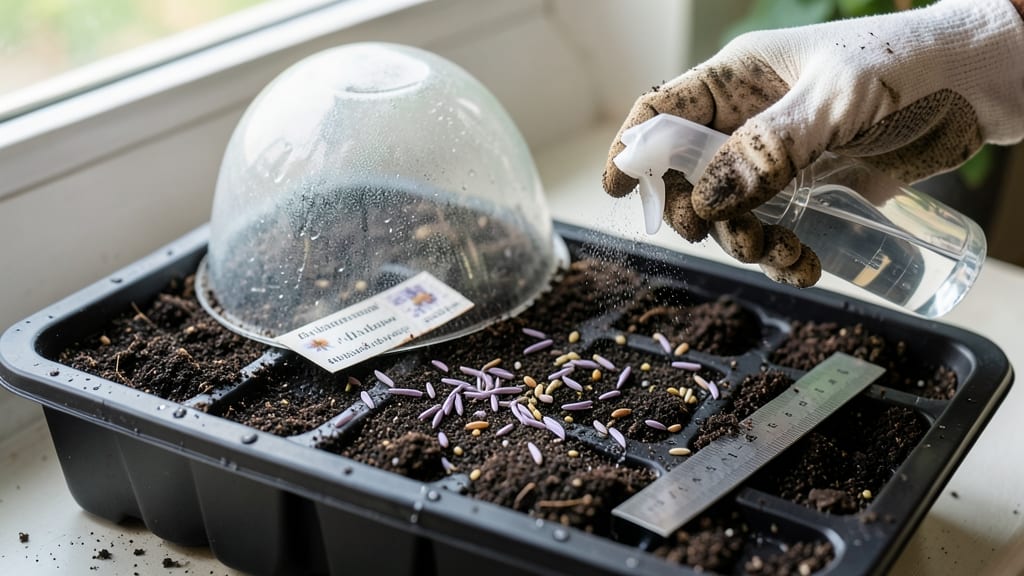
Wildflowers 🌼 can germinate in as little as 5 days or take up to 3 months—the difference often comes down to seed type, soil warmth, and how you prep them.
Picture this: you’ve scattered your wildflower seeds in early spring, watered them faithfully, and still… nothing. The waiting game is real, but knowing the right timing and conditions can turn that "maybe next year" frustration into blooms in weeks.
Some seeds, like cosmos or zinnias, pop up quickly with the right moisture and warmth, while others—like milkweed or poppies—need patience (or a little trick, like scarification) to break their dormancy. Below, I’ll break down the fastest and slowest germinators, plus the simple tweaks to speed things up.
Ready to stop guessing and start growing? You’ll learn how to read your soil’s temperature cues, avoid the top 5 mistakes that stall germination, and even coax stubborn seeds to sprout—no green thumb required.

Wildflower germination times by seed type: fastest to slowest sprouting species
If you’ve ever eagerly waited for wildflower seeds to sprout, only to feel like you’re playing a waiting game with Mother Nature, you’re not alone. Some wildflowers pop up in just days, while others take weeks or even months to break through the soil.
The key to success lies in knowing your seed types and their unique germination windows. Fast germinators like cosmos and zinnia reward patience with quick results, while slower species like lupines or black-eyed Susans require extra care to coax them along.
Understanding these timelines helps you plan your garden layout and manage expectations. For example, fast-sprouting annuals can create instant color, while perennials with longer germination times might need a different approach—like starting indoors or using pre-treated seeds.
Let’s break down the fastest to slowest germinating wildflowers, so you can strategize for a blooming success every season.
| Wildflower Type | Germination Time | Pro Tips for Faster Sprouting | Best Planting Time |
|---|---|---|---|
| Cosmos | 5–10 days | Scatter seeds on top of soil; no covering needed | Spring or fall |
| Zinnia | 7–14 days | Keep soil warm (70–75°F) for fastest results | After last frost |
| Sunflower (annual) | 7–21 days | Press seeds lightly into soil; no stratification needed | Spring or late summer |
| Marigold | 5–14 days | Direct sow after soil warms to 60°F+ | Spring or fall |
| Milkweed | 14–30 days | Stratify seeds in fridge for 2–4 weeks before planting | Early spring |
| Black-Eyed Susan | 21–30 days | Scarify seeds with sandpaper or soak overnight | Fall or early spring |
| Lupine | 21–45 days | Stratify seeds for 4–6 weeks in moist sand | Fall or early spring |
| Goldenrod | 30–60 days | Plant in full sun; avoid overwatering | Late summer or fall |
| Aster | 14–90 days | Cold stratification helps; sow early | Fall or early spring |
Fast germinators like cosmos and marigolds often sprout within a week, making them perfect for quick color in your garden. These seeds thrive when sown directly into warm soil, so timing your planting after the last frost is critical.
For cosmos, for instance, you might see tiny seedlings peeking through the soil in as little as 5 days, especially if the soil temperature hovers around 70°F or higher. The trick here is to keep the soil consistently moist but not soggy—over
How soil temperature and moisture control wildflower germination speed
Your wildflower seeds might be taking longer to sprout because soil temperature and moisture levels create the perfect—or terrible—environment for germination. Most wildflowers thrive when soil stays between 60–75°F, but cooler nights or dry spells can stall growth.
Even the right seed type won’t sprout if conditions aren’t ideal. Let’s break down how to optimize these factors for faster, more reliable blooms.
Moisture plays a dual role: too little dries out seeds before they wake up, while too much suffocates them. Daily light watering keeps seeds hydrated without drowning them, but some species like lupines prefer a flood-and-drain method to break dormancy.
Testing your soil’s moisture with your finger—top 1 inch should feel damp but not soggy—helps avoid common pitfalls.
Use a soil thermometer to monitor temperatures—most wildflowers need warmth to activate enzymes that break down seed coats. If your soil runs cooler than 50°F, try a black plastic mulch or wait until spring.
For moisture, avoid overhead sprinklers, which can wash seeds away. Instead, use a gentle watering can or drip irrigation to maintain even dampness.
Some wildflowers, like poppies and cosmos, germinate fastest in consistently moist but not soggy soil. Others, such as coneflowers, prefer slightly drier conditions after initial sprouting. Always check the seed packet for species-specific tips—these details make the difference between a thriving meadow and a failed patch.
If your seeds still haven’t sprouted after 3–4 weeks, they may need scarification (scratching the seed coat) or stratification (cold treatment). Place them in a damp paper towel in the fridge for 1–2 weeks before replanting. Patience and precision pay off—your future blooms will thank you!
Pro tip: Keep a germination journal to track soil temps, moisture levels, and sprouting times. Over time, you’ll spot patterns and adjust your approach. With the right balance of warmth and hydration, your wildflowers will burst from the soil in record time. 🌿