
Blooming
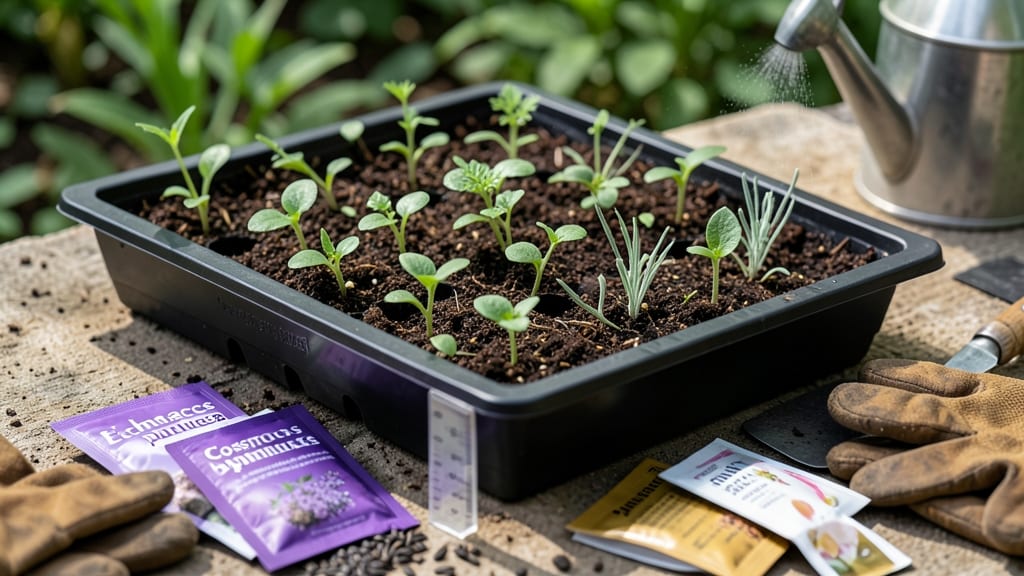
Wildflowers to sprout takes anywhere from 7 to 21 days depending on the variety and conditions — but those little seeds can be trickier than they look.
Picture this: You’ve scattered your 🌼 seeds in March, watered them gently, and now you’re staring at the same patch of soil every morning, waiting for a hint of green.
The truth? Some species pop up in a week, while others take their sweet time — and soil temperature is the real game-changer.
Whether you’re in Zone 6a or another climate, the right timing and prep can shave days off that wait. Below, I’ll break down exactly what affects sprouting speed, plus 5 pro tips to coax those first shoots faster — even with stubborn seeds.
Ready to turn your patience into a blooming success? Let’s get started.
Wildflower germination times by seed type: fastest to slowest sprouting
If you’ve ever scattered wildflower seeds hoping for instant blooms, you know patience is key—but some varieties break the mold with lightning-fast sprouts! The fastest germinators like cosmos and zinnias can emerge in just 5–7 days, while native milkweed or goldenrod might take 21–30 days or longer.
These timelines depend on seed type, soil warmth, and moisture, so let’s break it down by category to set realistic expectations for your garden.
Annual wildflowers generally top the speed chart, with cosmos and zinnias leading the pack. Perennials like black-eyed Susans and coneflowers tend to be mid-range, while native species often require more time to establish.
Understanding these differences helps you plan succession plantings or adjust your patience when seeds seem "missing." For example, lupine might look dormant for weeks before popping up—don’t give up!
Pro Tip: Always check the seed packet for specific germination notes, as some varieties (like poppies) need cold stratification to break dormancy. Even within a species, environmental factors can shift timelines by 50% or more. Now, let’s dive into the exact ranges for your favorite wildflowers.