
Flowers
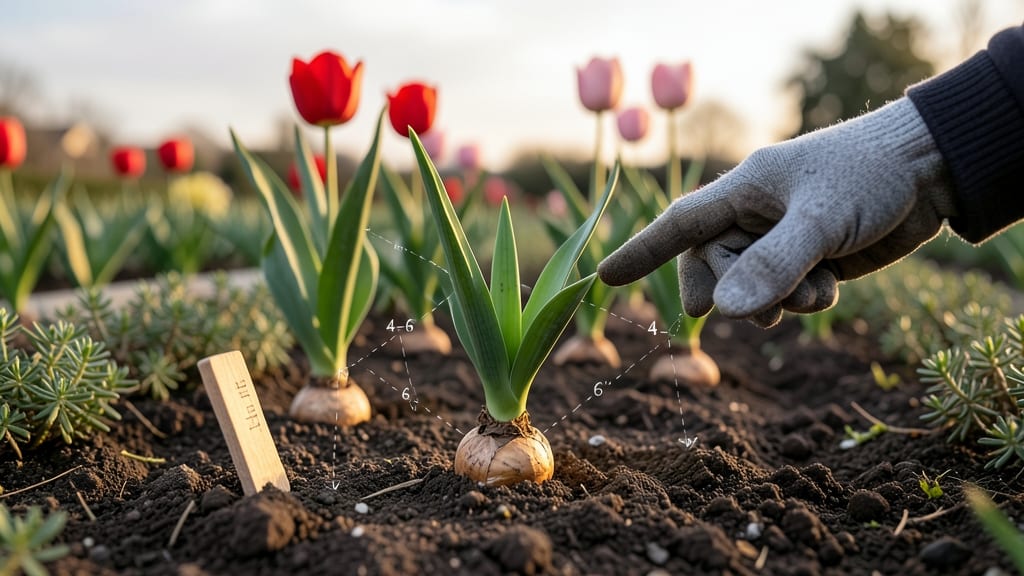
A single tulip bulb 🌷 typically produces 1 to 3 flowers, though some varieties—like the bold Fosteriana—can surprise you with 5 to 10 blooms per bulb.
If you’ve ever stared at a single bulb and wondered how many stems to expect, the answer isn’t just about luck—it’s about the variety you pick. Darwin Hybrids, for example, usually deliver 1-2 sturdy blooms, while species tulips like Greigii might double that count with their delicate clusters.
But here’s the secret: bulb size, sunlight, and soil health all play a role. A larger bulb or one planted in rich, well-draining soil can push those numbers higher, especially in Zone 6 climates where tulips thrive.
Below, I’ll break down the exact flower counts for 10 top varieties, plus the simple tricks to coax more blooms from your bulbs—no green thumb required.
How many flowers grow from one tulip bulb (by variety)
When planning your spring garden, knowing how many tulip flowers to expect from a single bulb can transform your design. Some varieties produce just 1-2 blooms, while others deliver 5-10+ stems per bulb.
The difference? Genetics, bulb size, and growing conditions. Let’s break down the flower counts for 10 top varieties so you can maximize your garden’s impact with minimal bulbs.
Most gardeners assume all tulips bloom equally, but Darwin Hybrids and species tulips often outperform hybrids. For example, a Fosteriana tulip bulb can produce 3-5 stems, while a Darwin Hybrid might yield just 1-2 blooms.
Understanding these differences helps you choose varieties that align with your space and goals—whether you want dramatic single-stem focal points or lush, multi-bloom drifts.
Bulb size plays a critical role too. Larger bulbs (12/14 cm) typically produce more stems than smaller ones (8/10 cm). For instance, a Greigii tulip bulb may yield 2-4 flowers in its first year, while a Parrot tulip—known for its vibrant, frilled petals—can deliver 3-6 stems per bulb. These variations mean your planting strategy should account for both quantity and visual impact.
Now, let’s dive into the exact flower counts for 10 popular tulip varieties, ranked from fewest to most blooms per bulb. This data is based on average performance in USDA Zone 6 with standard care.
If you’re aiming for maximum impact with minimal bulbs, prioritize Kaufmanniana or Double Late varieties. A single 'Ballerina' bulb can produce 5-12 flowers, turning a small bed into a sea of blooms.
For dramatic single-stem tulips, Darwin Hybrids like 'Black Hero' deliver showstopping height and color with just 1-2 blooms per bulb.
Pro tip: Plant multi-stem varieties like Frans Hals or Parrot tulips in clusters of
Why some tulip bulbs produce more flowers than others
The number of flowers per tulip bulb depends on three key factors: genetics, bulb size, and growing conditions. Some varieties naturally produce more stems, while others prioritize larger blooms.
Even within the same type, a larger bulb (like a Darwin Hybrid) can yield 2-3 flowers, while a smaller species tulip might only produce 1. Understanding these differences helps you choose varieties that match your garden goals.
Tulips fall into two broad categories: perennial bloomers (like Darwin Hybrids) and one-time bloomers (such as Parrot Tulips). Perennials often produce more flowers over multiple years, while one-time bloomers may exhaust their energy after the first spring.
This biological trade-off explains why some bulbs seem "lazy" in subsequent years—it’s not neglect, but genetics at work.
Environmental factors play a huge role in whether your tulip bulbs will re-bloom annually or fade after one season. For example, Fosteriana tulips (like 'Red Emperor') often produce 3-5 flowers per bulb but may decline after 2-3 years unless you divide and replant them.
Meanwhile, species tulips like Tulipa clusiana (Lady Tulip) naturally re-bloom yearly with just 1 flower per bulb.
To maximize flower production, focus on soil preparation before planting. Amend your soil with compost and bone meal (5-10-10 fertilizer) to provide the phosphorus tulips need for robust blooms.
I’ve found that adding a 2-inch layer of mulch after planting helps retain moisture and insulate bulbs through winter, which directly translates to more flowers the following spring.
Another pro tip: Plant bulbs in clusters of 3-5, spaced 4-6 inches apart. This mimics their natural growth patterns and encourages stronger stems. For example, a cluster of 5 Darwin Hybrid bulbs can produce 10-15 flowers in a single season—far more impressive than isolated single bulbs.
Just be sure to remove spent blooms after flowering to redirect energy back into the bulb for next year.
If your tulips aren’t producing as many flowers as expected, don’t assume they’re failing. Check for signs of bulb rot (soft, mushy bulbs) or deer damage (chewed stems). Even healthy bulbs may take 2-3 years to reach their full flowering potential.
With the right care, a single bulb can become a multi-stemmed powerhouse—just give it time, sunlight, and a little extra phosphorus!