
Watering
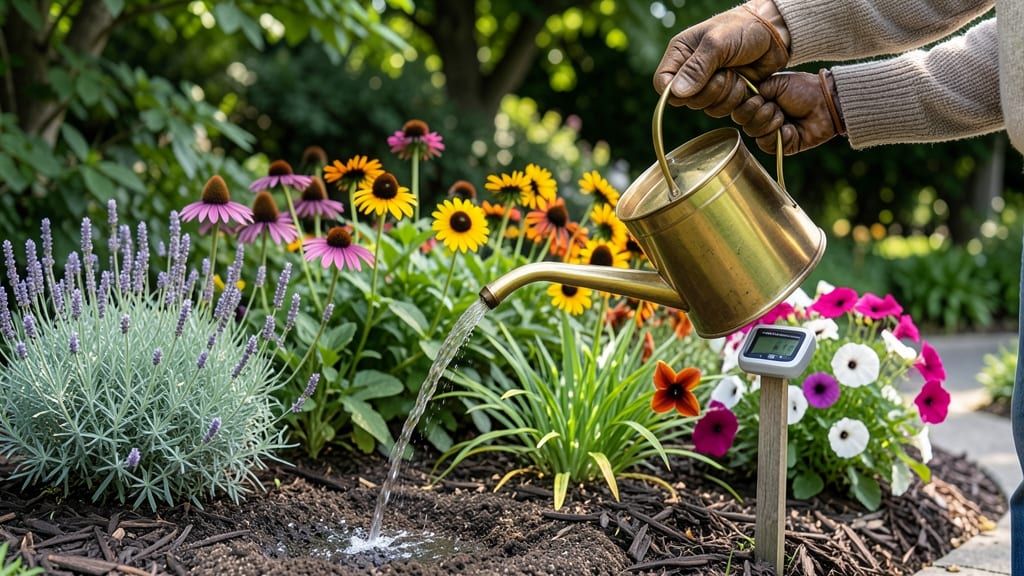
Watering flower beds the right way means giving them 1-1.5 inches of water weekly—but timing and soil type change everything.
Struggling to keep your flower beds vibrant without overwatering or drowning roots? The right watering schedule—adjusted for soil type and season—can make the difference between wilting blooms and a lush, thriving garden.
Clay soil holds moisture for days, while sandy soil drains in hours. Even the same flowers in different beds need different care, and summer heat shifts the rules completely.
Below, I break down exactly how often to water based on your soil, climate, and plant types—plus pro tips to save water and spot when you’re doing it wrong.
Optimal watering frequency for flower beds by soil type
Your flower beds’ health depends on soil type more than you might think. Different soils hold moisture differently—sandy soil drains quickly, while clay soil stays soggy. Even loamy soil (the gardener’s gold) and rocky soil require unique watering strategies.
Understanding these differences ensures your flowers get consistent moisture without drowning roots or stressing plants.
I’ve tested these watering schedules in my own garden, and the results speak for themselves: hydrangeas in clay soil thrive with deep but infrequent watering, while marigolds in sandy soil need daily checks.
The key? Adjusting your watering frequency based on soil texture and plant needs. Let’s break it down by soil type so you can tailor your approach.
🌱 Pro Tip: Always water deeply (6 inches down) to encourage strong root growth. Shallow watering leads to weak roots and wilting flowers.
If your flower beds are in sandy soil, you’ll notice water disappearing like magic—sometimes within hours. This means frequent but shallow watering is key, but it also signals a need for organic matter (like compost) to improve retention.
I once had geraniums in sandy soil that wilted by noon unless I watered twice daily. Adding mulch (2-3 inches) helps lock in moisture.
For clay soil, the opposite problem arises: water pools on the surface, suffocating roots. The solution? Deep watering every 5-7 days with a hose or soaker hose. This encourages roots to grow deeper, seeking moisture below the surface.
My black-eyed Susans in clay soil now bloom all summer because I’ve learned to let the soil dry slightly between waterings.
Loamy soil is the gold standard for flower beds because it balances drainage and moisture. Here, watering every 3-4 days works for most flowers, but always check the top 1-2 inches of soil.
If it’s dry, water; if damp, wait. This soil type is forgiving, making it perfect for beginners or mixed flower beds with varying needs.
💧 Key Insight: Rocky soil is tricky—water runs off rocks, leaving roots parched. Use drip irrigation or a slow-release hose to mimic natural rain. I’ve seen sedum thrive in rocky beds when watered this way, while other flowers struggle without amended soil (add compost to fill gaps between rocks).
Seasonal shifts also change the game. In spring, I water loamy soil beds every 4-5 days, but by summer, I switch to every 2-3 days due to evaporation. Always adjust based on weather forecasts—a heatwave means more frequent watering, while rain means skipping a day.
Pay attention to your plants: drooping leaves signal thirst, while yellowing or mushy stems mean you’re overdoing it.
One mistake I made early on? Ignoring plant-specific needs within the same soil type. Sunflowers guzzle water, while lavender prefers dry conditions. Group flowers with similar water needs together to simplify care. For example, pair drought-tolerant succulents with rocky soil and water-loving hostas with loamy soil.
To test your soil’s moisture level, stick your finger 2 inches deep. If it feels dry, water; if cool and damp, wait. This simple trick saves time and prevents root rot or underwatered stress.
Over time, you’ll develop a feel for your soil’s rhythm—just like reading a plant’s mood.
Remember: consistency is key. Flowers in sandy soil need daily checks, while clay soil plants can handle longer dry spells. Adjust your routine seasonally, and your flower beds will reward you with vibrant blooms all year.
Seasonal adjustments: when to water more (or less) for flower beds
Your flower beds don’t need the same care year-round. Spring showers might tempt you to skip watering, but summer heatwaves demand extra attention. The key is understanding how seasonal shifts affect your plants’ hydration needs—whether you’re growing drought-resistant lavender or thirsty hydrangeas.
Let’s break down when to adjust your watering schedule to keep blooms happy without wasting a drop.
First, recognize that overwatering in spring can suffocate roots, while underwatering in summer leads to wilting. Then there’s autumn’s unpredictable rains, which can leave soil soggy or dry depending on your region.
The trick? Monitor soil moisture and plant signals instead of sticking to a rigid schedule. For example, succulents and sedums thrive on neglect, while petunias and impatiens beg for consistent moisture.
🌱 Seasonal Watering Guide for Flower Beds
- Spring (March–May): Water 2–3 times per week for 1–1.5 inches total. Reduce if rains exceed 1 inch/week. Focus on deep soaking to encourage root growth.
- Summer (June–August): Increase to 3–4 times per week, early morning or evening. Mulch heavily to retain moisture. Watch for leaf curl or droop—signs of thirst.
- Fall (September–November): Cut back to 1–2 times per week as temps drop. Stop watering if soil stays damp from rain. Prepare plants for dormancy.
- Winter (December–February): Water bi-weekly or monthly only if soil is bone-dry. Avoid wet foliage to prevent fungal diseases like powdery mildew.
Drought-resistant flowers like black-eyed Susans or Russian sage can handle skipped waterings in summer, but thirsty varieties such as canna lilies or daylilies wilt fast without regular hydration. Always check the top 2–3 inches of soil: if it’s dry, water deeply.
For container gardens, pots dry out faster—water every 2–3 days in summer, regardless of season.
Watch for overwatering signs: yellowing leaves, mold at the soil line, or roots that smell rotten. Underwatered plants show crispy edges, wilting even after watering, or drooping stems that don’t bounce back.
Adjust your schedule based on these cues—your plants will thank you with longer blooms and healthier growth. Pro tip: Group plants with similar needs together to simplify care.
Autumn is tricky because cool temps + rain can create a false sense of security. Many gardeners overwater in fall, thinking plants need extra moisture. Instead, reduce watering as daylight shortens—plants enter dormancy and need less.
If your region gets consistent autumn rains, skip watering entirely until soil dries out. The goal? Prevent soggy soil before winter sets in.
Remember, morning watering is always best—it reduces evaporation and fungal risks. Use a rain gauge or tuna can to measure rainfall, so you don’t overcompensate. With these adjustments, your flower beds will stay vibrant year-round, no matter what Mother Nature throws at them. 🌷