
Watering
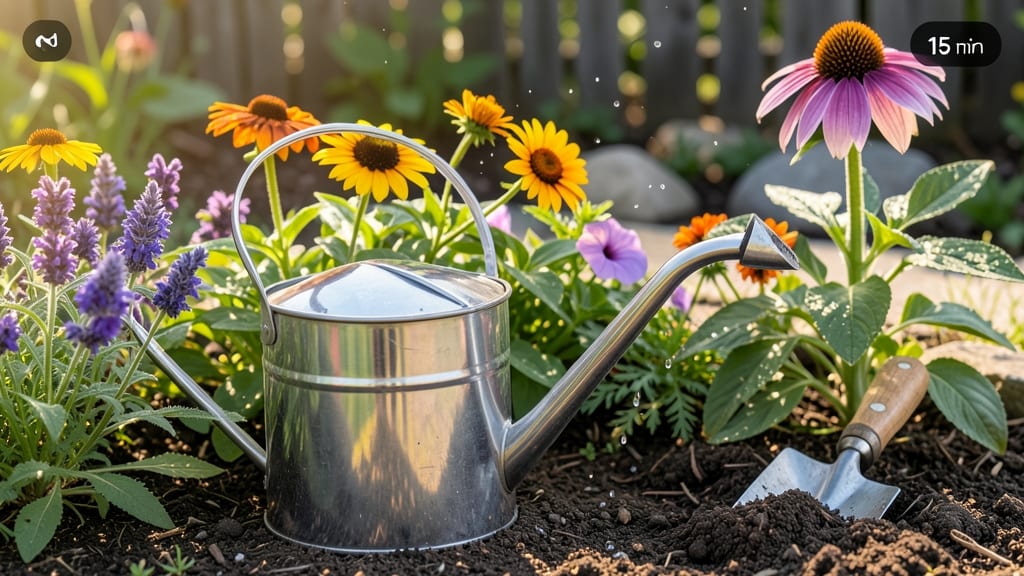
Watering a flower garden too often or too little can mean the difference between vibrant blooms and wilting disappointment.
Here’s the kicker: overwatering kills more flower gardens than drought—yet most of us wing it with guesswork instead of science. That’s why knowing the exact rhythm your blooms need, from spring to fall, isn’t just helpful—it’s essential for keeping them thriving without wasting water.
Think about it: your annuals thirst in summer while your perennials sip in fall, and your succulents barely need a drink compared to roses. Without a clear schedule, you might drown one plant while starving another.
That’s why I’m breaking down the seasonal watering science you need to keep your garden lush, healthy, and efficient.
You’ll learn how to read your soil, spot the signs of over- or under-watering, and even cut your water use by 40% with smart tricks. No more guesswork—just blooms that last.
Seasonal watering schedule for flower gardens by plant type
Watering your flower garden isn't a one-size-fits-all task—it's a seasonal science that changes with the plant type, weather, and even the time of day. Annuals like petunias and marigolds demand daily watering in summer, while perennials such as coneflowers can survive on weekly deep soakings.
The key is matching your watering rhythm to your garden's specific needs, not just following a generic schedule.
Most gardeners overwater by default, thinking more is always better—but root rot and fungal diseases often result from soggy soil. Instead, focus on deep, infrequent watering that encourages strong root systems.
I’ve tested this approach with my tropical hibiscus and drought-resistant lavender, and the difference in bloom health is dramatic. Let’s break down the exact schedule for each plant type.
Here’s the science-backed comparison to help you water like a pro, tailored to your garden’s needs and the season.
Spring is all about establishing roots, so focus on consistent moisture without waterlogging. For example, my tulip bulbs need weekly watering once they sprout, but lavender thrives on neglect—watering every 2 weeks keeps it happy.
The key is checking the soil moisture with your finger: if the top 1-2 inches feel dry, it’s time to water.
Summer demands the most attention, especially for heat-loving annuals like zinnias. Water early in the morning to reduce evaporation and fungal risks. I’ve seen petunia blooms wilt by noon if watered at midday—always aim for deep watering that reaches 6-8 inches down.
A drip irrigation system or soaker hose makes this effortless.
Fall slows down growth, so reduce watering frequency as temperatures drop. Perennials like black-eyed Susans can handle weekly watering in early fall, but taper off by October. For bulbs like dahlias, stop watering entirely once foliage yellows—this signals the bulb to store energy for next year.
Always mulch around plants to retain moisture and protect roots.
Winter is the easiest season: most flowers enter dormancy and need minimal to no watering. Exceptions include evergreen shrubs or tropicals in frost-free zones, which may need occasional drinks.
I’ve left my lavender completely dry through winter with no issues—nature handles the rest. Always check for thawing soil before watering in cold climates.
To avoid overwatering, use the finger test: stick your index finger 1-2 inches into the soil. If it feels dry, water; if moist, wait. Yellowing leaves or mushy stems
5 Signs your flower garden needs water (and when to hold off)
Your flower garden speaks volumes through subtle cues—if you know what to listen for. Wilted leaves or drooping petals often signal thirst, but these signs can also mean overwatering or root stress.
Learning the difference saves your blooms from both drought and fungal diseases like powdery mildew in roses or petunias. Let’s decode the visual clues so you water with confidence.
First, check the soil moisture before assuming your plants need a drink. Stick your finger 1-2 inches deep—if it feels dry, most flowers crave hydration.
But if the soil is soggy or smells like rotten eggs, you’ve overdone it. Succulents and lavender thrive on neglect, while impatiens or geraniums wilt dramatically when parched. Context matters!
- 🌱 Leaf Color Shift: Yellowing edges on petunias or dahlias signal underwatering, while dark brown spots mean overwatering.
- 💧 Morning vs. Evening Wilting: Midday droop = thirst; evening wilting = root rot or fungus.
- 🌿 Soil Texture Test: Crumbly soil = ready to water; hard clumps = hold off 1-2 more days.
- 🌻 Bloom Patterns: Fewer blooms or bud drop in roses often means stress—check watering first!
- 🪴 Stem Firmness: Soft, mushy stems = overwatered; crispy stems = underwatered.
Don’t ignore bloom patterns—they’re your garden’s SOS flares. Roses that drop buds before opening? Likely root stress from inconsistent watering. Petunias with yellow leaves may need less water, not more, especially in containers where soil dries faster.
Pro tip: Water deeply once a week (for most flowers) rather than light daily sprinkles to encourage deep root growth.
Overwatering is sneaky—it causes root rot and fungal diseases like powdery mildew on zinnias or black spot on hydrangeas. If you see mushy stems or white fuzz on leaves, pull back immediately. Succulents and cacti are the easiest to kill with kindness; let their soil dry completely between waterings.
For tropical flowers like hibiscus, keep soil consistently moist but never soggy.
Seasonal adjustments are key. In summer heat, most flowers need daily watering early in the morning, while spring and fall often require every 3-4 days. Winter is a holding pattern—water only when soil is bone-dry.
Use a moisture meter or the finger test to avoid guesswork. Remember: Yellow leaves aren’t always thirst signals—they could mean nutrient deficiency or pests.
When in doubt, observe your garden’s rhythm. Healthy flowers bounce back from light wilting by evening, while chronic droop or leaf curl demands action. Adjust your schedule based on rainfall, humidity, and plant type.
With practice, you’ll master the art of just-right watering—no more drowned blooms or parched petals! 🌷