
Watering
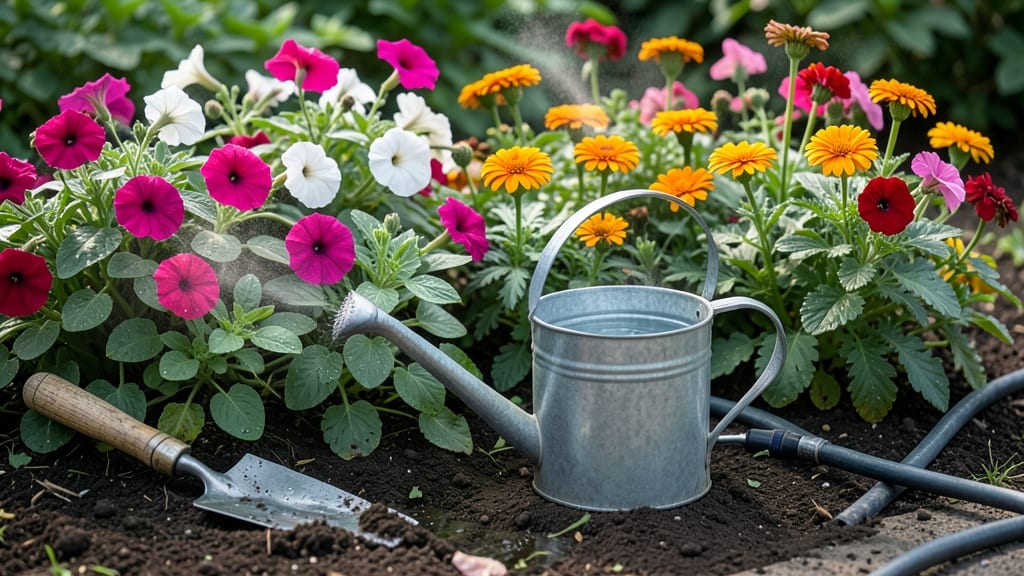
Watering outdoor flowers the right way means knowing how often to water them — too much or too little can turn vibrant blooms into sad, wilted stems in no time.
Struggling to keep your garden thriving? Overwatering drowns roots while underwatering leaves flowers thirsty and stressed. The secret lies in understanding your plants' needs, your soil type, and even the season.
In this guide, I’ll break down the perfect watering schedule by season, from the heat of summer to the chill of winter. You’ll learn how to check soil moisture, spot signs of thirst, and adjust for containers or in-ground plantings.
Ready to give your flowers the care they deserve? Let’s dive into the easy, science-backed routine that keeps blooms happy and healthy all year long.
Ideal watering frequency for outdoor flowers by season
Watering your outdoor flowers correctly is the difference between vibrant blooms and wilted disappointment. The perfect schedule changes with each season, as temperature, rainfall, and soil conditions shift dramatically. For example, summer heat demands daily attention, while winter dormancy requires minimal watering.
Let’s break down the ideal watering frequency for each season, so you can keep your garden thriving year-round.
First, check soil moisture before watering—stick your finger 1-2 inches deep. If it feels dry, it’s time to water. For most outdoor flowers, aim for 1 inch of water per week, but adjust based on rainfall. Morning watering is best to reduce evaporation and fungal risks.
Now, let’s dive into the seasonal watering guide tailored to your flowers’ needs.
In spring, your flowers are waking up from dormancy, so consistent moisture encourages root growth. Water 2-3 times per week, but reduce if rain is frequent. Annuals like petunias and perennials like coneflowers thrive with this schedule.
Always water at the base of the plant to avoid wetting leaves, which can lead to fungal diseases.
Summer is the most critical season for watering outdoor flowers. With high temperatures and rapid evaporation, most flowers need daily watering in the morning. Drought-tolerant varieties like lavender or succulents can handle slightly less, but tropical blooms like hibiscus will wilt quickly without daily care.
Always water deeply to encourage strong root systems.
As fall arrives, reduce watering to 1-2 times per week since growth slows. Cooler temperatures mean less evaporation, so check soil moisture carefully. Bulbs like daffodils and fall mums need less water as they prepare for winter. Overwatering now can lead to rot or weak stems before dormancy.
Winter watering is minimal—only water if the soil is completely dry. Most perennial flowers are dormant, and excess moisture can harm roots. Evergreen shrubs like boxwoods may need occasional watering, but annuals should be removed or mulched heavily. Always water before freezing temps to prevent ice buildup.
Don’t forget to adjust for container-grown flowers, which dry out faster than in-ground plants. Potted petunias may need watering every 1-2 days in summer, while terracotta pots dry out quicker than plastic. Mulch heavily in all seasons to retain moisture and regulate soil temperature.
Pay attention to local rainfall—if you get 1 inch of rain, skip scheduled watering that day. Use a rain gauge or weather app to track precipitation. Overwatering is just as harmful as underwatering, so always prioritize soil moisture checks over rigid schedules.
For newly planted flowers, water every other day for the first 2 weeks to help roots establish. After that, follow the seasonal guidelines above. Group plants with similar water needs together in your garden beds to simplify care.
With this seasonal watering plan, your outdoor flowers will stay lush, healthy, and full of color all year.
Signs your flowers need water (and when to skip it)
Your outdoor flowers rely on you to read their subtle cues—some droop slightly when thirsty, while others show yellowing leaves or crispy petals as warning signs. But how do you tell if they need a drink or if you’ve overdone it?
The key lies in observing soil moisture, leaf texture, and growth patterns before reaching for the hose.
Most gardeners make the mistake of watering on a strict schedule without checking the plant’s actual needs. For example, a potted petunia may need daily watering in summer, while a drought-tolerant lavender can survive weeks without extra moisture. Understanding these differences prevents both root rot and wilting.
Most gardeners overestimate how often outdoor flowers need water. Here’s the rule: Check soil 1-2 inches deep—if it’s dry, water deeply. If soggy, skip it. Overwatering causes root rot and fungal diseases, while underwatering leads to stunted growth and drooping blooms.
💧 Pro Tip: Use your finger to test moisture—dry soil means water; wet soil means wait.
Start by examining the soil surface. If it’s cracked or pulling away from the pot, your flowers are severely dehydrated. Dig your finger into the soil—if it feels dry past 1-2 inches deep, it’s time to water.
For in-ground flowers, focus on the root zone rather than just the top layer, as roots often seek moisture deeper down.
Next, inspect the leaves and petals. Healthy blooms should feel firm and crisp. If they’re limp or curling, it’s a cry for hydration. However, yellowing leaves or mushy stems signal overwatering.
Adjust your routine by watering less frequently but more deeply—this encourages roots to grow deeper, making flowers more resilient.
Seasonal changes also affect water needs. In summer heat, flowers may need daily watering, while spring and fall often require watering every 2-3 days. Winter is usually a skip-it season, as most flowers enter dormancy.
Pay attention to rainfall patterns—if your area gets 1 inch of rain per week, you can reduce manual watering by half.
Finally, consider your flower’s type and maturity. Newly planted flowers need consistent moisture to establish roots, while established perennials like coneflowers or black-eyed Susans thrive on occasional deep watering. Always water at the base of the plant to avoid wetting foliage, which can lead to fungal infections.
By tuning into these signs and adjusting your watering habits, you’ll keep your outdoor flowers vibrant and healthy without wasting water or risking plant stress. Happy gardening! 🌷