
Flowers
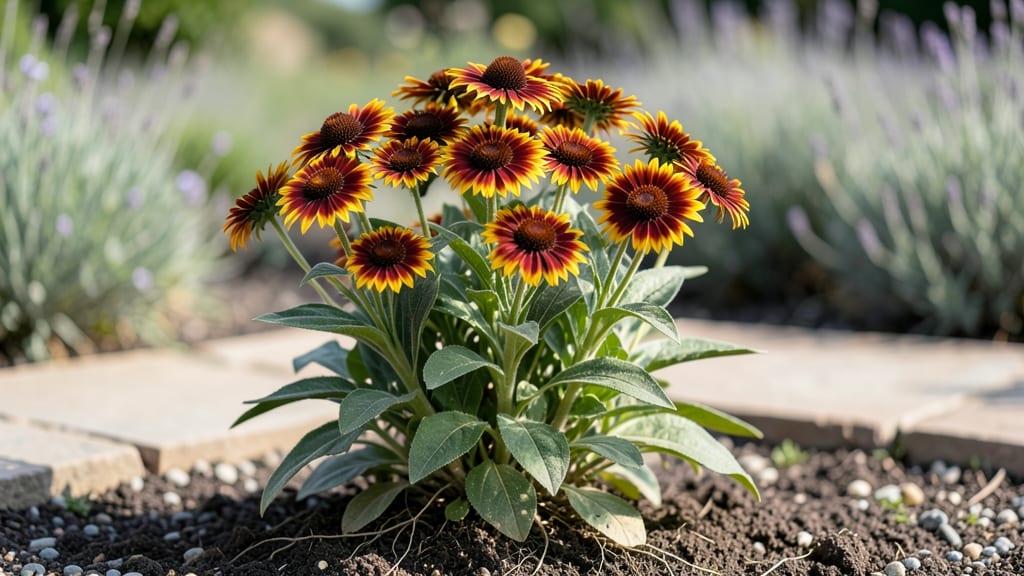
Blanket flowers grow between 8 inches and 3 feet tall, depending on the variety, making them a versatile choice for borders, containers, or pollinator gardens.
Picture this: your garden bursts with fiery orange and deep red blooms, hummingbirds darting between them, all while requiring almost no maintenance. That’s the magic of Gaillardia—but their height can vary wildly from one cultivar to another.
Dwarf varieties like 'Goblin' stay under a foot, perfect for window boxes, while taller types such as 'Fanfare' reach nearly waist-high, ideal for back-of-border drama. The right spacing ensures your blanket flowers thrive without competing for space or light.
In this guide, I’ll break down height ranges by variety, share spacing tips to maximize blooms, and show you how to control growth naturally—so you can design a garden that’s both stunning and stress-free.


Blanket flower height by variety: compact to tall growing options
Blanket flowers (Gaillardia) are incredibly versatile, offering height variations that let you tailor them to any garden space. Whether you're designing a container garden, a border bed, or a wildflower meadow, choosing the right variety ensures your vision comes to life.
The height of these plants ranges from under a foot to nearly three feet tall, making them perfect for layered designs.
For small spaces or container gardening, dwarf varieties like 'Goblin' stay under 12 inches, while taller types like 'Fanfare' reach up to 36 inches, ideal for back-of-border planting. Understanding these differences helps you create a balanced, visually stunning garden that thrives year after year.
If you're working with containers, the dwarf varieties like 'Goblin' are ideal because they won’t outgrow their space. These compact plants thrive in pots as small as 6 inches wide, making them perfect for balconies or patio gardens. Their cheerful blooms add instant color without overwhelming smaller areas.
For border planting, medium-height varieties like 'Arizona Sun' and 'Mesa Red' create a stunning mid-height layer that pairs beautifully with taller perennials like black-eyed Susans or coneflowers. Their 12–24 inch heights make them versatile for both formal and informal garden designs.
Taller varieties like 'Fanfare' are perfect for the back of borders or as cut flowers. Their 24–36 inch stature provides a dramatic backdrop for shorter plants, while their long stems make them excellent for bouquets. Plant them in groups of 3–5 for a bold, eye-catching display.
When planning your garden, consider the mature height of each variety to avoid overcrowding. For example, 'Goblin' needs only 6–9 inches of space, while 'Fanfare' requires 18–24 inches to prevent competition for nutrients and sunlight.
Proper spacing ensures each plant gets the air circulation and light exposure it needs to thrive.
Another key factor is the garden style you're aiming for. In a wildflower meadow, taller varieties like 'Mesa Red' or 'Fanfare' blend seamlessly with native grasses and other perennial flowers. Meanwhile, in a formal garden, dwarf varieties create neat, tidy edges that complement structured designs.
Don’t forget that soil quality and sunlight exposure can influence height slightly. While blanket flowers are drought-tolerant, they grow best in well-draining soil with full sun exposure. Rich, fertile soil may encourage slightly taller growth, while leaner soil keeps plants more compact.
For pollinator gardens, taller varieties like 'Fanfare' attract butterflies and bees with their abundant blooms. Plant them near other native pollinator favorites like milkweed or bee balm to create a thriving ecosystem. Even dwarf varieties contribute by providing early-season nectar for beneficial insects.
Ideal spacing and planting tips for blanket flowers by height
Blanket flowers thrive when planted with the right spacing—too close, and they compete for nutrients; too far, and your garden looks sparse. The key is matching spacing to mature height, ensuring each plant has room to breathe while creating a lush, layered display.
For dwarf varieties (like 'Goblin'), tighter spacing works, while tall types (like 'Fanfare') need more elbow room to avoid flopping.
Start by grouping plants by height: short varieties (8–12 inches) in front, medium types (18–24 inches) in the middle, and tall varieties (24–36 inches) at the back. This creates depth and highlights each plant’s natural form.
Pro tip: Use mulch around the base to retain moisture and suppress weeds, especially in hot climates where blanket flowers love to grow.
- Dwarf varieties (8–12 inches): Space 6–12 inches apart for containers or borders. Perfect for edging or pollinator gardens.
- Medium varieties (18–24 inches): Space 12–18 inches apart for full, rounded blooms. Ideal for mixed flowerbeds.
- Tall varieties (24–36 inches): Space 18–24 inches apart to prevent overcrowding. Great for back-of-border or wildflower meadows.
- Container planting: Use 1 plant per 6-inch pot for dwarf types; 1 plant per 1-gallon pot for tall varieties.
- Pollinator-friendly spacing: Leave 12–18 inches between plants to ensure bees and butterflies can access blooms easily.
When planting, dig holes twice as wide as the root ball but only as deep. This encourages roots to spread outward, stabilizing the plant and improving nutrient uptake. For tall varieties, gently firm the soil around the base to prevent wind rock, especially in exposed areas.
If your soil is heavy clay, amend it with compost or sand to improve drainage—blanket flowers hate soggy roots!
Layering heights isn’t just about looks—it’s a functional strategy. Tall varieties like 'Fanfare' (up to 3 feet) can act as a natural backdrop for shorter perennials, while dwarf types like 'Arizona Sun' (8–12 inches) add color at eye level.
Mix heights in odd-numbered groups (e.g., 3 or 5 plants) for a natural, balanced look that draws the eye.
For wildflower meadows, space blanket flowers 18–24 inches apart and let them self-seed. Over time, they’ll create a self-sustaining display with minimal effort. In container gardens, pair dwarf varieties with succulents or ornamental grasses for a low-maintenance, high-impact combo.
Always plant in full sun—blanket flowers reward sunlight with bold, long-lasting blooms.
Finally, remember that deadheading spent blooms encourages more flowers and keeps plants compact. For tall varieties, a light mid-season pruning (cutting back by 1/3) can promote bushier growth. With the right spacing, your blanket flowers will thrive, multiply, and steal the show every season. 🌼