
Size
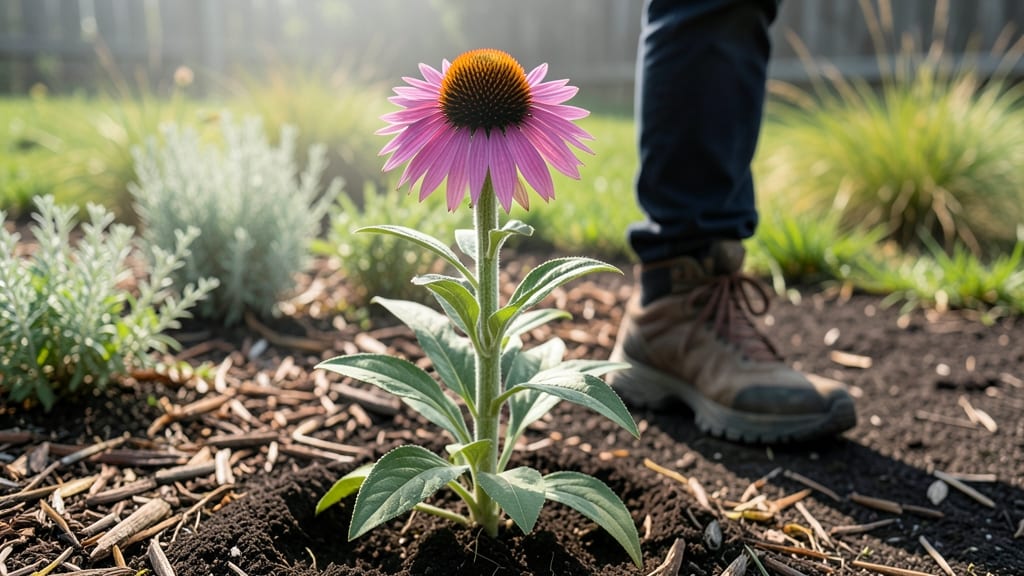
Coneflowers grow between 1 and 4 feet tall, depending on the variety and growing conditions — a range that makes them perfect for borders, meadows, or even container gardens.
If you’re planning your garden layout or dreaming of vibrant purple blooms, knowing how tall coneflowers grow is essential — some varieties reach towering heights while others stay compact, dramatically changing your garden’s flow and design.
The most common type, Echinacea purpurea, typically hits 2 to 3 feet, but dwarf varieties like ‘White Swan’ stay under 2 feet, while giants like ‘Green Envy’ can stretch to 4 feet or more.
Below, I’ll break down height by variety, share how sunlight and soil influence growth, and give you the spacing tips you need to create a showstopping display.


Coneflower height by variety: tall vs. compact growing habits
When planning your garden, coneflower height can make or break your design. Some varieties stretch toward the sky like dramatic sentinels, while others stay low and bushy, perfect for borders.
The Echinacea genus alone offers height variations from just 12 inches to over 5 feet, making them incredibly versatile for any space.
Understanding these differences helps you choose the right variety for your garden's layout and style. Whether you're creating a wildflower meadow, a pollinator-friendly border, or a container garden, selecting the right height ensures your coneflowers thrive without crowding other plants.
Here's a quick look at how popular coneflower varieties compare in height, including some lesser-known gems that might surprise you. This comparison will help you visualize how each variety fits into your garden's vertical layers and design themes.
The tallest coneflowers, like Echinacea pallida and 'Magnus', can reach 5 feet or more, making them perfect for the back of borders or as statement plants in wildflower gardens. These varieties thrive when given plenty of space to spread their roots and support their heavy blooms.
On the other hand, dwarf varieties like 'Hot Papaya' and 'Kim's Knee High' stay under 2 feet, making them ideal for container gardening, rock gardens, or the front of borders.
These compact coneflowers are perfect if you're working with limited space or want to create layered textures in your garden design.
If you're unsure which height to choose, consider your garden's vertical layers. Tall coneflowers work beautifully as backdrop plants, while shorter varieties add color and texture to the foreground. Mixing heights creates a dynamic, natural look that attracts pollinators and adds depth to your landscape.
Pro tip: For container gardening, opt for dwarf varieties like 'Green Envy' or 'Hot Papaya'. These stay compact and won't overwhelm your pots. Just ensure your container has drainage holes and is at least 12 inches deep to accommodate their root systems.
For pollinator gardens,
How to choose coneflower height for your garden design
Selecting the right coneflower height transforms your garden from chaotic to curated. Whether you're creating a wildflower meadow, a structured border garden, or a container arrangement, the height of your coneflowers will dictate the visual flow and impact.
Tall varieties like Echinacea purpurea can reach 4 feet, while dwarf types like 'White Swan' stay under 2 feet. The key is matching the plant's mature size to your design goals.
For backyard borders, medium-height coneflowers (2-3 feet) create a stunning middle layer that pairs beautifully with tall grasses behind and low-growing perennials in front. In container gardens, compact varieties like 'Green Envy' (18 inches) thrive, while larger pots can accommodate standard types like 'Magnus' (3-4 feet).
The right height ensures your coneflowers complement—not compete with—other plants.
Here’s how to pair coneflower heights with your garden style for maximum visual impact:
- 🌿 Wildflower Meadows: Use tall varieties (3-4 ft) like 'Hot Papaya' or 'White Swan' for natural, wild beauty. Space them 18-24 inches apart to mimic a natural prairie feel.
- 🌹 Border Gardens: Opt for medium heights (2-3 ft) like 'Green Envy' or 'Pink Double Delight'. Plant in groups of 3-5 with black-eyed Susans or bee balm for layered color.
- 🪴 Container Gardens: Choose dwarf varieties (1-2 ft) like 'Sombrero White' or 'Chelsea's Choice'. Pair with sedum or lavender in 12-14 inch pots for a balanced, spillover effect.
- 🌳 Backyard Focal Points: Plant tall coneflowers (4 ft) like 'Magnus' behind shrubs or ornamental grasses to create a dramatic backdrop. Space them 24-36 inches apart for full impact.
- 🌻 Pollinator Gardens: Mix varied heights (1-4 ft) to attract butterflies and bees at all levels. Add milkweed or salvia as companions for a thriving ecosystem.
Proper spacing is just as critical as height selection. Tall coneflowers need 24-36 inches between plants to avoid crowding, while dwarf varieties can thrive in 12-18 inches of space. Overcrowding leads to weak stems and reduced blooms, so always follow the variety’s mature size guidelines.
For example, 'Green Envy' (18 inches) should sit 12 inches apart, while 'Magnus' (4 feet) needs 3 feet of clearance.
Don’t forget to consider companion plants when designing your layout. Tall coneflowers pair beautifully with sun-loving perennials like Russian sage or catmint, while dwarf varieties complement ground covers such as creeping thyme or heuchera.
This layering creates depth and ensures your garden remains visually engaging year-round. With the right height and spacing, your coneflowers will become the star of your outdoor space!
Once planted, monitor your coneflowers for healthy growth and adjust spacing if needed. If stems lean or flowers droop, it may be time to stake taller varieties or thin out overcrowded areas. A well-designed coneflower garden isn’t just about height—it’s about creating harmony between form, function, and beauty. 🌼