
Flowers
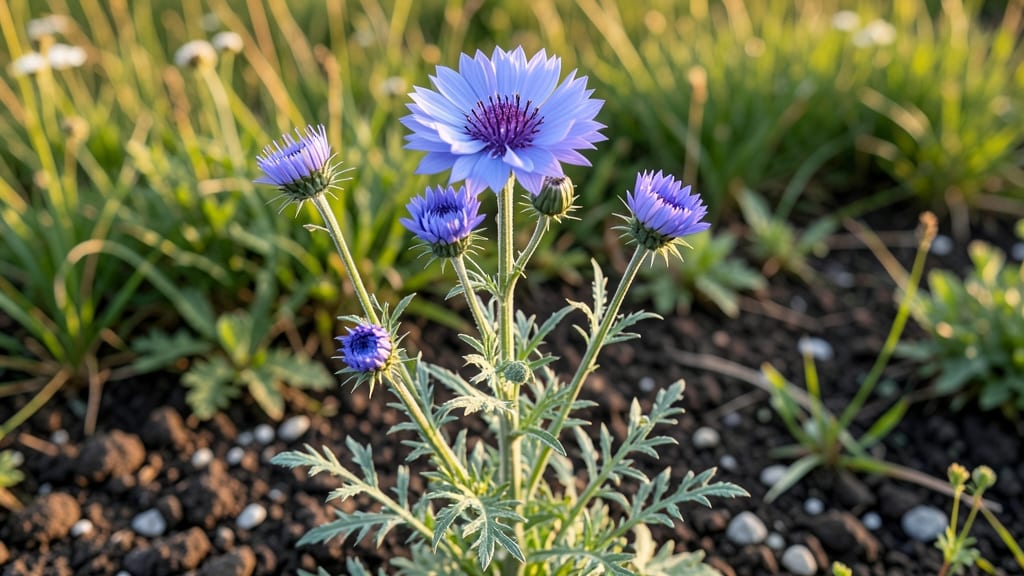
Cornflowers grow anywhere from 8 inches to over 4 feet tall, depending on the variety and growing conditions you provide.
If you're dreaming of vibrant blue blooms that add a pop of color to your garden but aren't sure whether to plant cornflowers in tight borders or sprawling meadows, understanding their height variations is key—some stay compact while others reach towering heights.
For example, the 'Black Ball' variety stays short and bushy, perfect for containers or front-of-border planting, while 'Blue Boy' can stretch up to 4 feet, making it ideal for cut flowers or adding vertical interest to flower beds.
In this guide, I’ll break down the height ranges, share tips for controlling growth, and help you choose the perfect variety for your garden’s layout and style.


Cornflower height ranges: from dwarf varieties to towering giants
Cornflowers (Centaurea cyanus) are famous for their striking blue blooms, but their height can vary dramatically—from tiny dwarf varieties perfect for containers to towering giants that dominate wildflower meadows.
Understanding these height ranges helps you choose the right variety for your garden design, whether you're creating a colorful border or a pollinator-friendly meadow. The mature height depends on both the cultivar and growing conditions, so let's explore the full spectrum.
Most gardeners assume cornflowers are all medium-sized, but the truth is far more exciting. Some varieties stay as short as 6 inches tall, while others reach an impressive 5 feet. This diversity means you can use cornflowers in almost any garden space—from window boxes to backyard borders.
The key is selecting the right type for your needs, whether you prioritize compact growth or dramatic height.
Why height matters: Tall cornflowers make stunning cut flowers and attract pollinators to the top of your garden, while dwarf varieties add color to rock gardens or container arrangements. Even the growth habit varies—some grow upright like spikes, while others have a bushier, more rounded form. Let's break down the height categories with a comparison table to help you visualize the options.
The wild-type cornflower (Centaurea cyanus) typically falls into the standard height range of 2–3 feet, which is why it thrives in wildflower meadows and naturalized gardens.
However, modern hybrids have been bred for specific purposes, like the tall 'Monarch Blue', which can reach 5 feet and is perfect for cut flower arrangements. These taller varieties often need staking or support to prevent flopping, especially in windy conditions.
If you're working with limited space, dwarf varieties like 'Little Blue Boy' are ideal—they stay under 12 inches and work beautifully in window boxes or hanging baskets. Their compact size also makes them great for rock gardens or as edging plants.
Even in small containers, these dwarf types produce vibrant blooms that punch well above their height.
Color also plays a role in height perception. While most cornflowers are blue, varieties like 'Ruby Red' (a semi-dwarf) or 'White Swan' (a tall type) add visual contrast while maintaining their expected height ranges.
The flower color doesn’t affect height, but it does influence how the plant stands out in your garden design—red or white cornflowers can create striking focal points.
One factor that influences height is growing conditions. Cornflowers planted in poor soil or dry climates may stay shorter than their potential, while those in rich, well-drained soil with regular watering can reach their maximum height.
For example, a tall variety like 'Monarch Blue' might only grow to 3 feet in a drought-prone area but could hit 5 feet with optimal care.
For cut flower growers, taller cornflowers are a game-changer. Varieties like 'White Swan' or 'Monarch Blue' produce long, sturdy stems that hold up well in flower arrangements. Their height also makes them excellent for backdrop planting in mixed borders.
If you're growing cornflowers for pollinators, taller varieties attract bees and butterflies to higher elevations in your garden, creating a vertical pollinator highway.
When planning your garden, consider the mature height alongside other factors like bloom time and color. For instance, pairing a tall blue cornflower with a dwarf red variety creates a dynamic height contrast that draws the eye. Whether you
Best cornflower varieties by height and garden use
Choosing the right cornflower variety depends on your garden's layout and design goals. Whether you need compact blooms for containers or tall stems for cut arrangements, there's a perfect fit. I've curated the best cornflower types based on height categories to help you plan your flower beds with confidence.
From dwarf varieties perfect for window boxes to towering giants that anchor meadows, each type offers unique benefits. Let's explore how to match these ornamental flowers to your garden's needs while ensuring they thrive alongside companion plants.
🌼 Cornflower Height Guide
-
Dwarf Varieties (8-12")
- Ideal for containers and border edging
- Examples: 'Little Beauty', 'Tiny Blue'
-
Medium Varieties (18-24")
- Perfect for cut flower arrangements and mixed borders
- Examples: 'Black Ball', 'Blue Boy'
-
Tall Varieties (30-48")
- Best for wildflower meadows and back-of-border planting
- Examples: 'Moonlight', 'Compliment'
Pro Tip: Plant tall varieties with sunflowers or hollyhocks for natural support
For container gardening, opt for dwarf cornflowers like 'Little Beauty' which stays under 12 inches tall. These compact bloomers thrive in 5-gallon pots with well-draining soil and full sun exposure. Pair them with thyme or calendula for a charming herb-flower combo.
Medium-height varieties such as 'Black Ball' (18-24") make excellent cut flowers due to their sturdy stems. I recommend placing them in mixed borders with salvia or lavender to create textural contrast. Their deep purple blooms add drama to summer arrangements.
Tall cornflowers like 'Moonlight' (36-48") are perfect for wildflower meadows or back-of-border planting. These towering beauties attract pollinators like bees and butterflies. For best results, plant them in groups of 5-7 with grasses or yarrow to prevent flopping in windy conditions.
Remember that cornflower height can vary based on soil fertility and watering practices. Over-fertilizing may result in taller but weaker stems, while drought conditions can stunt growth. I always recommend balanced soil and consistent moisture for optimal flower production.