
Flowers
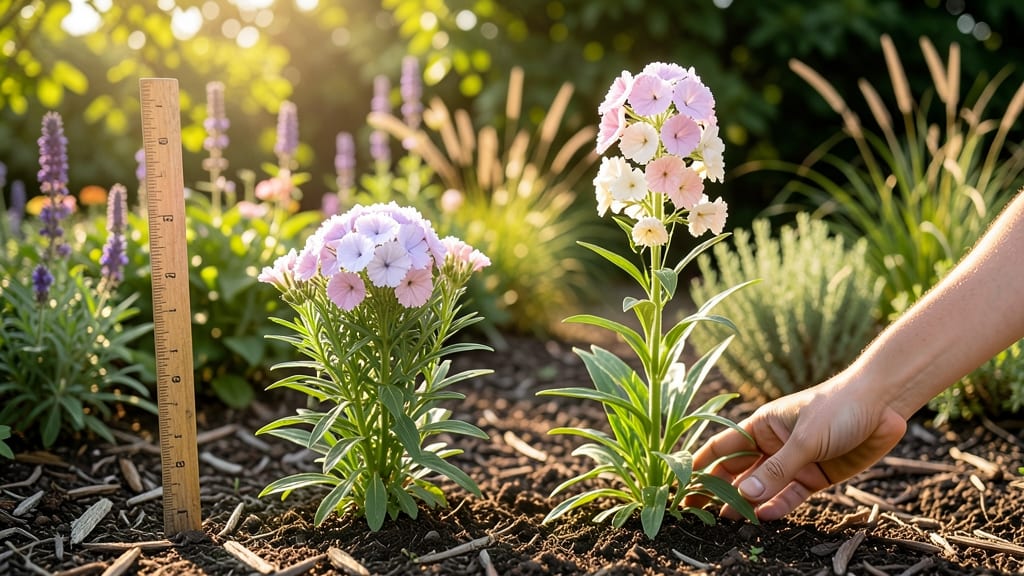
Stock flowers grow between 1 and 3 feet tall, depending on the variety and growing conditions, making them versatile for borders, containers, or cut flower arrangements.
If you’ve ever wondered how to fit these fragrant blooms into your garden without sacrificing space or beauty, the answer lies in choosing the right type—dwarf varieties stay under 1.5 feet, while standard types can reach 3 feet or more.
This height range isn’t just about aesthetics; it also affects how you support them, where you plant them, and which companion plants will thrive nearby.
Below, I’ll break down the exact height expectations for popular stock varieties, tips for managing taller types, and how to use their size to your garden’s advantage.


Stock flower height by variety: dwarf to giant sizes explained
Stock flowers (Matthiola incana) are stunning annuals that come in a wide range of heights, from compact dwarf varieties to towering giant blooms.
Understanding these differences helps you choose the perfect variety for your garden layout—whether you need low borders, container displays, or cutting garden stalwarts. Their growth habits also vary, with some forming dense clumps while others produce tall, slender spikes of flowers.
Height isn't just about aesthetics—it affects plant spacing, support needs, and even companion plant selection. For example, a 3-foot giant needs staking and room to breathe, while a 1-foot dwarf thrives in tight containers.
Let’s explore the most popular varieties and their mature sizes to help you plan your garden like a pro.
Here’s a quick visual comparison of stock flower heights, from the shortest to the tallest varieties, so you can visualize how they’ll fit into your space. Each variety has its own charm, whether you’re aiming for a romantic cottage border or a fragrant cutting garden.
The Dwarf Blue variety is perfect for small spaces or container gardening, reaching just 12–18 inches tall. Its compact growth habit makes it ideal for rock gardens or window boxes, where you want color without overwhelming the space.
This variety also blooms profusely, providing a dense carpet of blue flowers that attracts pollinators like bees and butterflies.
On the other end of the spectrum, Giant White and Giant Chocolate varieties can reach 3 feet or taller, making them standout stars in any garden. These tall, slender spikes are perfect for the back of borders or as dramatic cut flowers.
However, they’ll need staking or support to prevent them from flopping over, especially in windy conditions or when laden with blooms.
If you’re growing stock flowers in containers, opt for dwarf or semi-dwarf varieties like Perfume Mix or Rainbow Mix. These stay between 18–24 inches tall and thrive in 5–10 gallon pots with proper drainage.
Their bushy growth habit also makes them great for pollinator-friendly gardens, as they produce an abundance of fragrant blooms that bees adore.
For cutting gardens, taller varieties like Giant Chocolate or Giant White are excellent choices. Their long stems and durable blooms hold up well in vases, lasting for days.
To encourage longer stems, deadhead spent blooms regularly and provide consistent moisture—this helps prevent leggy growth and ensures sturdy stems for cutting.
One common mistake is assuming all stock flowers have the same height. Mixing dwarf and giant varieties in the same bed can lead to uneven growth and competition for sunlight.
Always group plants by height to create a balanced, layered look. For example, place tall varieties at the back and shorter ones in front to create depth and visual interest.
Pro tip: If you love the look of tall stock flowers but have limited space, consider pruning them back by one-third early in the season. This encourages bushier growth and can reduce their height by 20–30%, making them more manageable in smaller gardens.
Just be sure to prune in the morning to allow wounds to heal before evening moisture sets in.
Whether you’re dreaming of a romantic cottage garden or a fragrant cutting garden, choosing the right stock flower height ensures your vision comes to
How to control stock flower height for small gardens or containers
If your stock flowers are reaching for the sky when you need them to stay compact, don’t worry—there are simple ways to manage their height without sacrificing those gorgeous blooms.
Whether you’re working with containers or tight garden spaces, these techniques will help you keep your stock flowers at your desired height while still enjoying their fragrance and color.
Taller varieties like 'Giant White' can grow up to 3 feet, while dwarf types like 'Dwarf Blue' stay under 1.5 feet. The key to controlling height lies in pruning, companion planting, and proper support structures.
Let’s explore how to keep your stock flowers in check while maximizing their beauty.
Choose the right variety: Opt for dwarf varieties like 'Dwarf Blue' (12-15 inches) or 'Perfume Mix' (18-24 inches) if space is limited. These stay shorter naturally, reducing the need for height control.
Prune strategically: Pinch back tips of stems when they reach 6-8 inches to encourage bushier growth. This reduces overall height by 20-30% while increasing flower production.
Use containers wisely: Plant in shallow pots (8-10 inches deep) to restrict root growth. This naturally limits height, especially for taller varieties like 'Giant White'.
Add support structures: Install bamboo stakes or tomato cages to guide tall stems upward. This prevents sprawling while keeping flowers accessible for cutting.
Companion planting: Pair with low-growing companions like sweet alyssum or thyme to fill gaps and create a fuller, shorter display.
For containers, another trick is to limit fertilizer. Over-fertilizing can lead to taller, leggier growth. Stick to a balanced 5-10-10 fertilizer applied every 4-6 weeks during the growing season. This ensures steady growth without excessive height.
If you’re growing stock flowers for cutting, focus on selective pruning. Harvest flowers when they’re fully open but not yet wilting—this encourages the plant to produce more blooms at a manageable height.
For container gardens, deadhead spent blooms regularly to redirect energy into new growth rather than tall stems.
With these techniques, you can enjoy stock flowers that stay within your desired height limits while still filling your garden with color and fragrance. Whether you’re working with containers or small garden beds, a little planning goes a long way! 🌸