
Flowers
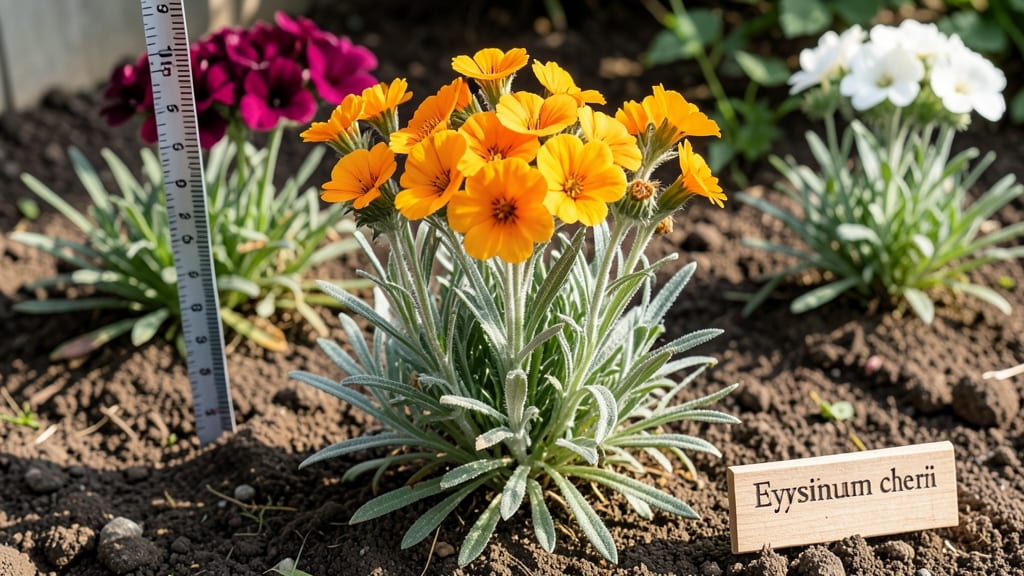
Wallflowers grow anywhere from 6 inches to 3 feet tall, depending on the variety and growing conditions — knowing the exact range helps you plan borders, containers, and seasonal transitions without overcrowding.
Ever stared at a garden bed and wondered if those tiny wallflower seedlings will stay compact or shoot up like weeds? The answer depends on whether you’re growing a dwarf variety (like Erysimum cheiri), a mid-height type, or a taller standard wallflower — and how you prune them.
Sunlight, soil drainage, and spacing play a bigger role than most gardeners realize. Too much shade can stunt growth, while rich soil might encourage extra height — and pruning at the right time keeps them bushier and more manageable.
Below, I break down the exact height ranges for popular varieties, how to space them for optimal airflow, and the 5 common mistakes that make wallflowers grow taller (or shorter) than expected.


Wallflower height guide by popular varieties (with exact growth ranges)
Wallflowers (Erysimum cheiri and related species) are beloved for their fragrant blooms and versatile heights, making them perfect for borders, rock gardens, or containers. But not all varieties reach the same mature size—some stay compact while others grow tall enough to anchor vertical displays.
Knowing these exact height ranges helps you plan spacing, companion plants, and seasonal transitions without overcrowding.
From dwarf varieties ideal for window boxes to tall cultivars that thrive in mixed borders, each wallflower type has a distinct growth habit.
I’ll break down the most popular varieties, including mature height ranges, growth habits, and spacing tips to ensure your garden looks intentional and thrives year after year.
Pro Tip: Always check the seed packet or nursery tag for exact measurements—some hybrid varieties may vary slightly from standard ranges. Below, I’ve organized the most common wallflowers by height category for easy reference.
| Variety | Mature Height Range | Growth Habit | Best For |
|---|---|---|---|
| Erysimum cheiri 'Bowles White' | 12–18 inches | Upright, bushy | Borders, rock gardens |
| Erysimum cheiri 'Moonlight' | 10–14 inches | Compact, rounded | Containers, window boxes |
| Erysimum cheiri 'Fire King' | 18–24 inches | Tall, spreading | Back of borders, cottage gardens |
| Cheiranthus allionii (Dwarf Wallflower) | 6–10 inches | Low-growing, mat-forming | Rock gardens, alpine beds |
| Aubrieta deltoidea (Aubrieta) | 4–8 inches | Trailing, dense | Hanging baskets, slopes |
| Erysimum linifolium (Broom Wallflower) | 24–36 inches | Tall, slender stems | Wildflower meadows, tall borders |
| Erysimum 'Bowles Mauve' | 15–20 inches | Bushy, upright | Mixed borders, pollinator gardens |
If you’re designing a pollinator-friendly garden, pair taller varieties like Erysimum linifolium (24–36 inches) with shorter dwarf wallflowers (4–10 inches) to create a layered effect. This not only maximizes vertical space but also attracts bees and butterflies at different heights.
For container gardening, stick to dwarf varieties like Cheiranthus allionii (6–10 inches) or Aubrieta (4–8 inches). These thrive in 6-inch pots with well-draining soil and full sun exposure. Avoid taller types—they’ll become top-heavy and flop over in windy conditions.
Wallflowers are biennials, meaning their height may vary between the first and second year. In their first year, most varieties stay under 12 inches as they focus on root growth.
By year two, they’ll reach their full mature height and produce abundant blooms. Plan accordingly if you’re using them as seasonal fillers!
One key factor influencing height is pruning. Pinch back leggy stems in early spring to encourage bushier growth and prevent tall, sparse plants. For varieties like Erysimum linifolium, deadhead spent blooms to redirect energy into stem elongation rather than seed production.
For rock gardens, trailing varieties like Aubrieta* are ideal—their 4–8 inch height cascades beautifully over edges. Combine them with sedum or thyme for a low-maintenance, drought-tolerant display. Just ensure your rock crevices have well-draining soil to prevent root rot.
Remember, wallflowers thrive in USDA Zones 6–9 and prefer full sun (6+ hours daily). If you’re in a warmer climate (Zone 10+), some varieties may grow slightly taller due to longer growing seasons. Always monitor their progress and adjust spacing as needed.
Now that you know the exact heights, you can confidently plan your wallflower garden—whether you’re creating a fragrant border, a pollinator haven, or a container display. Happy planting! 🌼
How to use wallflower heights for perfect garden spacing
Wallflowers (Erysimum cheiri) are versatile plants that thrive in tight spaces, making them perfect for borders, containers, and rock gardens. Their compact growth habits and varied heights (from 8 inches to 24 inches) let you create layered displays without overcrowding.
The key to stunning arrangements lies in understanding how their mature sizes influence spacing, sunlight exposure, and companion plant pairings.
For dwarf varieties (like 'Bowles' White' at 8–12 inches), plant them 6–8 inches apart in borders or 3–4 inches apart in containers. This ensures air circulation while maximizing their fragrant blooms.
Taller varieties (like 'Black Prince' at 18–24 inches) need 12–18 inches of space to avoid shading smaller neighbors.
- Dwarf varieties (8–12"): 6–8" apart in borders, 3–4" in containers
- Medium varieties (12–18"): 10–12" apart in beds, 5–6" in pots
- Tall varieties (18–24"): 12–18" apart in borders, 8–10" in large containers
- Rock gardens: Cluster 3–5 plants together for cascading effect
- Containers: Mix 1 tall + 2 medium plants per 12" pot for balance
Pair wallflowers with companion plants that complement their height and sunlight needs. For example, plant dwarf thyme (3–6 inches) in front of wallflowers to create a textured border, while lavender (18–24 inches) behind them adds vertical interest. Both thrive in full sun and well-draining soil, just like wallflowers.
Seasonal succession planning is another trick to maximize space. Replace spring-blooming wallflowers with summer annuals like cosmos or zinnias in the same spot. This keeps your garden vibrant while avoiding overcrowding during peak growth seasons. Always prune spent blooms to encourage bushier growth and prevent legginess.
In containers, use wallflowers as filler plants between taller thrillers (like snapdragons) and spillers (like petunias). Their compact size fits perfectly in 10–12 inch pots, where they’ll spill slightly over the edges for a romantic, cottage-garden look.
Just ensure containers have drainage holes to prevent root rot.
For rock gardens, group wallflowers in clusters of 3–5 along slopes or crevices. Their trailing stems will cascade naturally, filling gaps while requiring minimal maintenance. Add succulents or sedum nearby to reduce watering needs—both love the same dry, sunny conditions.