
Flowers
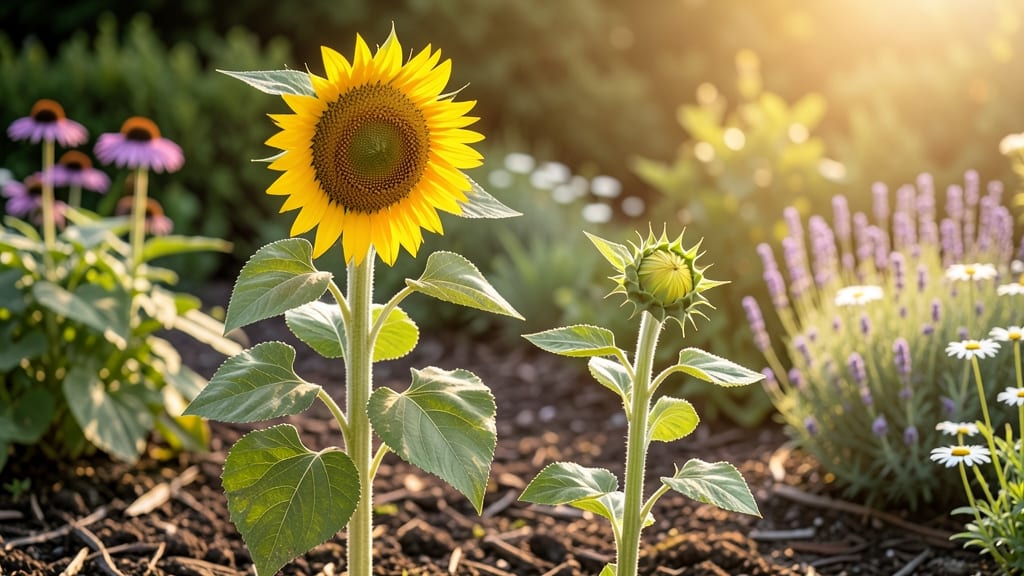
How tall sunflowers grow depends entirely on the variety you choose—whether you're planting a compact 🌻 Teddy Bear for containers or a towering Russian Giant for a dramatic focal point, their heights range from just 1 foot to over 16 feet. If you’ve ever wondered why your sunflowers seem to either flop over or barely reach your waist, the answer lies in their genetics—and the care you give them. Some varieties are bred to stay short and sturdy, while others shoot up like skyscrapers, demanding extra support and space. Getting the spacing right is half the battle. Dwarf sunflowers need just 12 inches between plants, while giants require 2-3 feet to avoid shading each other out. Below, I’ll break down exactly how tall each popular variety grows, plus the pro tips to help them reach their full potential. You’ll also learn how sunlight, soil, and water influence their height—and whether pruning can actually make them taller (spoiler: it can’t). Let’s get your sunflowers standing tall and proud!


Sunflower height by variety: exact growth ranges for planning
When planning your sunflower garden, knowing exact height ranges by variety is essential for spacing, support, and visual impact. Some varieties stay compact at just 2 feet tall, while others can reach 16 feet—taller than most gardeners!
The right choice depends on your space, design goals, and whether you want container-friendly dwarfs or dramatic giants as focal points.
Sunflowers are often categorized into three height groups: dwarf (under 3 ft), medium (3–8 ft), and giant (8+ ft). Each category offers unique benefits—dwarfs thrive in small spaces, mediums balance beauty and manageability, and giants create stunning vertical accents.
Let’s explore the most popular varieties and their precise height ranges to help you plan like a pro.
| Variety | Height Range | Best For | Spacing Needs |
|---|---|---|---|
| Dwarf Varieties | 1–3 ft | Containers, borders, cut flowers | 12–18 inches apart |
| 'Teddy Bear' | 2–3 ft | Kids' gardens, small spaces | 12 inches apart |
| 'Moulin Rouge' | 3–5 ft | Cut flowers, mixed borders | 18–24 inches apart |
| Medium Varieties | 3–8 ft | Back of beds, pollinator gardens | 2–3 ft apart |
| 'Autumn Beauty' | 4–5 ft | Colorful blooms, pollinators | 2 ft apart |
| 'ProCut' | 5–6 ft | Floral arrangements, bouquets | 24 inches apart |
| Giant Varieties | 8–16 ft | Focal points, tall hedges | 3–4 ft apart |
| 'Russian Giant' | 12–16 ft | Dramatic displays, windbreaks | 4 ft apart |
| 'Mammoth' | 10–14 ft | Skyscraper effect, pollinators | 3 ft apart |
Choosing the right sunflower height for your garden starts with understanding these categories. Dwarf varieties like 'Teddy Bear' (2–3 ft) are perfect for containers or window boxes, while medium-height options like 'Autumn Beauty' (4–5 ft) work beautifully in mixed borders. If you’re aiming
How sunflower height affects your garden layout and spacing
When planning your garden, sunflower height isn’t just about aesthetics—it’s about functional spacing and wind resistance. Dwarf varieties like 'Teddy Bear' (2-3 ft) thrive in containers or borders, while giants like 'Russian Giant' (12-16 ft) need wide-open spaces to avoid toppling.
Ignoring height differences can lead to overcrowding, weak stems, or even broken stalks in storms.
Grouping sunflowers by height creates visual layers and maximizes your garden’s impact. Place tall varieties at the back or north side of beds, medium-height types in the middle, and dwarfs in front. This not only saves space but also ensures every plant gets its required sunlight without shading neighbors prematurely.
- Dwarf varieties (1-3 ft): Space 12-18 inches apart in containers or borders. Ideal for companion planting with herbs or lettuce.
- Medium-height (3-6 ft): Allow 2-3 feet of spacing to prevent shading. Pair with tomatoes or beans for natural trellising.
- Standard (6-10 ft): Plant 3-4 feet apart and stake tallest stalks in windy areas. Use as privacy screens near fences.
- Giant (10-16+ ft): Space 4-5 feet apart and provide sturdy supports. Best in open fields or large backyards.
- Wind resistance tip: Bury stakes 12 inches deep for giants or use cattle panels as windbreaks in exposed areas.
For space efficiency, interplant sunflowers with low-growing companions like marigolds or nasturtiums. These pest-repelling plants thrive under sunflower canopies while keeping weeds at bay. Avoid planting sunflowers near squash or cucumbers, as they compete for nutrients and space.
In small gardens, opt for spindly varieties like 'Autumn Beauty' (4-5 ft) or 'ProCut' (5-6 ft). These stay compact but still produce large, showy blooms. For cut flower arrangements, choose taller, single-stemmed types like 'Moulin Rouge' (5-6 ft) and place them near walkways for easy harvesting.
Pro tip: If your sunflowers lean, it’s not always a wind issue—they may need more sunlight on one side. Rotate containers weekly or reposition plants to encourage straight, sturdy growth. Mulch around the base to retain moisture and prevent stem rot from overwatering.
Remember, height isn’t set in stone—proper care can influence growth. With the right spacing and support, even giant sunflowers can thrive in your garden without dominating the space. Start small, observe their growth, and adjust as needed for a balanced, beautiful layout.