
How To
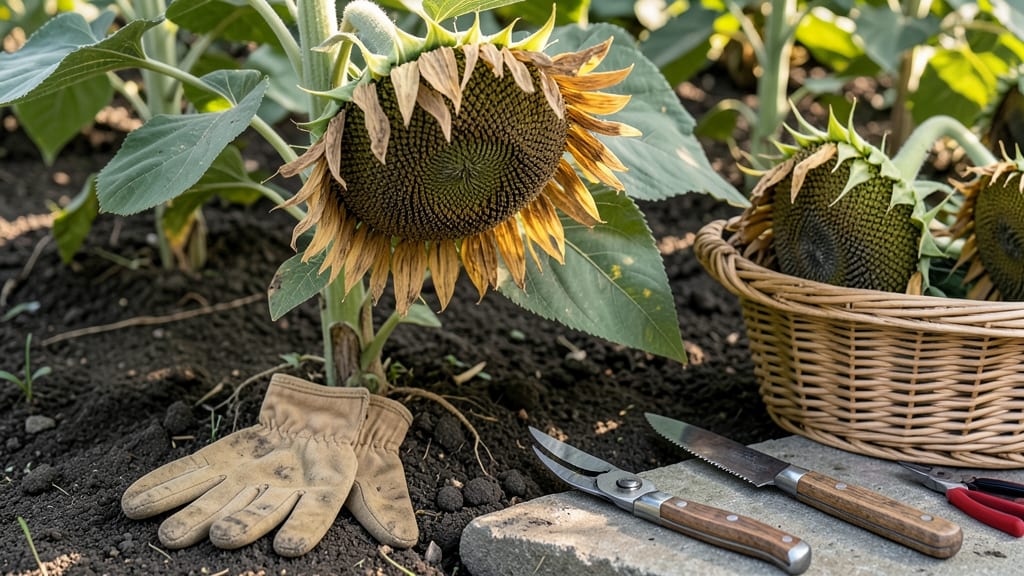
To know when sunflower seeds are ready to harvest, watch for fully browned, dry seed heads that rattle when shaken — the key sign they’re mature and packed with flavor.
Sunflowers aren’t just stunning garden stars—they’re also a bountiful harvest waiting to happen. But knowing exactly when those seeds are ready to pick can mean the difference between a delicious, nutritious crop and wasted effort.
Most gardeners miss the window because they focus on the wrong cues: green heads or just-dropped petals. The real test is the paper bag method, where a dry, rattling head means it’s time to harvest before birds or weather ruin your crop.
Below, I’ll walk you through the visual clues, the best time of day to harvest, and how to store seeds so they stay viable for next year’s garden. No guesswork—just foolproof sunflower success.


Key visual signs your sunflower seeds are harvest-ready
Sunflowers reach their peak harvestability when their seed heads show clear visual cues of maturity. The most obvious sign is when the back of the seed head turns from green to a deep, brown-papery color.
This transformation signals that the seeds inside have fully developed and are ready for harvest. Pay close attention to this color change, as it’s your first indicator that the seeds are nearing readiness.
Another key visual cue is the dropping of petals. Once the vibrant yellow petals have completely fallen off, it’s a strong sign that the plant is redirecting its energy toward seed maturation.
However, don’t wait too long after petal drop—seeds can dry out or even fall to the ground if left on the plant for too long after the petals disappear.
You’ll also notice that the seed head becomes lighter and almost hollow-sounding when gently shaken. This "rattling" effect is caused by the seeds inside moving freely, which means they’ve dried enough to be harvested.
If you tap the seed head and hear a dull thud, the seeds are still too moist and need more time on the plant.
Here’s a quick reference to help you spot these signs at a glance:
| Sign | Description | Action |
|---|---|---|
| Seed Head Color | Back turns brown and papery | Check for uniform browning |
| Petal Status | Petals fully dropped | Harvest within 3-5 days |
| Sound Test | Seeds rattle loudly when shaken | Ready for harvest or drying |
| Moisture Check | Seed head feels dry and crisp | Proceed with harvesting |
If you’re saving seeds for next year’s garden, timing is everything. The ideal harvest window is typically 3-5 days after the petals fall, but before the seed head starts to crack open on its own.
This ensures the seeds are fully mature but haven’t lost viability due to over-drying on the plant.
For direct consumption, like roasting sunflower seeds, you can harvest slightly earlier when the seed heads are still slightly greenish-brown. However, for long-term storage or seed-saving, wait until the heads are completely dry and brown to maximize seed viability.
One pro tip I’ve learned is to harvest on a dry, sunny day. This minimizes the risk of moisture getting trapped in the seed heads, which can lead to mold or premature sprouting.
Early morning is the best time to harvest, as the dew has evaporated, and the seed heads are at their driest.
If you’re unsure whether your sunflower seeds are fully mature, perform the paper bag test. Place a dry seed head in a paper bag and tie it shut. Leave it in a warm, dry place for 3-5 days.
If the seeds inside are fully dry and rattle when shaken, they’re ready for harvest. This method is especially useful for large seed heads that might take longer to dry uniformly.
Finally, keep an eye out for pests or birds, which can quickly strip a sunflower seed head before you’ve had a chance to harvest.
If you notice signs of damage, like missing seeds or chewed seed heads, harvest immediately—even if the seeds aren’t fully mature—to salvage what you can.
How to test sunflower seed maturity: the 'paper bag' method explained
When your sunflower plants have reached their peak height and the petals drop, it’s time to focus on the seed heads. But how do you know if those seeds inside are truly ready?
The paper bag method is my go-to trick for testing maturity—it’s simple, reliable, and works even in humid climates where seeds might stay damp longer.
This test works by creating a mini greenhouse around a seed head to speed up drying. It’s especially useful when humidity levels are high or temperatures fluctuate, which can delay natural drying.
The best time to perform this test is when the back of the seed head turns brown and papery, but before any seeds start sprouting in the head.
Step-by-Step: The Paper Bag Test
- 🌾 Step 1: Choose the Right Head
Pick a sunflower head that’s fully brown on the back and has dropped petals. Shake it gently—if seeds rattle loudly, it’s a good candidate. - 📋 Step 2: Prepare the Bag
Cut a paper lunch bag (or any breathable paper bag) to fit snugly around the seed head. Leave the top open. - 🪴 Step 3: Secure the Bag
Tie the bag’s opening around the sunflower stem using twine or a rubber band. Ensure the bag doesn’t touch the ground to prevent moisture buildup. - ☀️ Step 4: Place in Sunlight
Hang or place the bagged head in a warm, sunny spot (like a porch or garage) for 3-5 days. Avoid direct afternoon sun to prevent overheating. - 🔍 Step 5: Check for Dryness
After 3 days, gently open the bag and check a few seeds. If they’re hard and dry (no moisture when squeezed), they’re ready. If still damp, reseal and wait 1-2 more days. - ✂️ Step 6: Harvest When Ready
Once seeds are dry, cut the head from the stem and remove the bag. Store seeds in a cool, dry place (like a jar) for long-term storage.
⚠️ Pro Tip: If your climate is humid, extend the drying time to 5-7 days to avoid mold.
Environmental factors like high humidity or cool nights can slow down the drying process. If your area is prone to damp conditions, consider using a fan near the bagged heads to circulate air and speed up drying.
I’ve found that morning sunlight paired with afternoon shade gives the best results without risking overheating.
One common mistake is harvesting seeds too early—this leads to shriveled or moldy seeds. Always double-check by squeezing a seed between your fingers; it should feel firm and dry, not soft or sticky. If you’re unsure, leave the bag on for one more day—better safe than sorry!
Once your seeds pass the paper bag test, they’re ready for storage. Spread them out on a tray in a warm, dry spot for a few more days to ensure any lingering moisture evaporates.
Store them in an airtight container in a cool, dark place for up to 3 years.
This method isn’t just for home gardeners—even commercial seed savers rely on it to ensure high-quality seeds. Whether you’re growing heirloom varieties or just want to save seeds for next year, the paper bag test is your best friend for perfectly mature sunflower seeds.