
How To
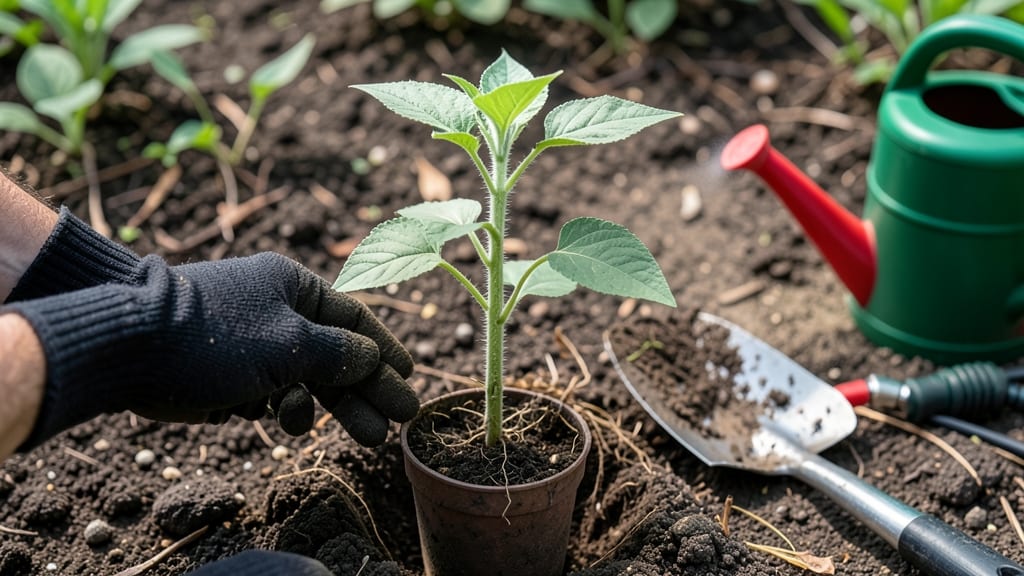
Planting a sunflower seedling the right way is the key to those towering 10-foot stalks you’ve always dreamed of — and it starts with just a few simple steps.
Sunflowers aren’t just beautiful—they’re resilient giants that thrive with the right planting technique. But many gardeners struggle with transplanting seedlings, leading to weak stems or stunted growth.
Here’s how to plant your 🌻 sunflower seedling for maximum height and strength, from soil prep to post-planting care. We’ll cover the perfect depth, spacing, and sunlight tricks to avoid common mistakes.
By the end, you’ll know exactly how to set your seedlings up for success, so they grow tall, sturdy, and ready to bloom by summer.


Optimal sunflower seedling planting depth and spacing for maximum growth
Sunflower seedlings need precise planting to develop into those towering, vibrant giants we all admire. The right depth and spacing prevent overcrowding while ensuring strong stems and abundant sunlight exposure.
Too shallow or too deep can stunt growth, while improper spacing leads to competition for nutrients. Let’s dive into the science-backed methods for planting your sunflowers like a pro.
For sunflower seedlings, the ideal planting depth is 1-2 inches below soil level. This depth ensures the seedling has enough support to stand upright while allowing roots to anchor properly.
Planting too shallow risks exposing the stem, making it vulnerable to wind damage, while planting too deep can suffocate the seedling and delay growth. Think of it as giving your sunflower a sturdy foundation from day one.
When it comes to spacing between seedlings, aim for 18-24 inches apart. This spacing allows each plant to access sufficient sunlight and nutrients without competing aggressively with neighbors. For rows, maintain 2-3 feet between them to improve airflow and reduce disease risk.
Overcrowding leads to weak stems and smaller flower heads, so spacing is just as critical as depth.
Here’s a quick reference to get you started:
| Factor | Recommendation | Why It Matters |
|---|---|---|
| Planting Depth | 1-2 inches | Prevents stem exposure and root suffocation |
| Seedling Spacing | 18-24 inches apart | Reduces competition for sunlight and nutrients |
| Row Spacing | 2-3 feet apart | Improves airflow and disease prevention |
| Soil Temperature | 60-70°F | Ensures rapid germination and root growth |
| Moisture Level | Consistently moist | Supports seedling establishment and prevents wilting |
Soil temperature plays a crucial role in sunflower seedling success. Aim for soil temperatures between 60-70°F to encourage rapid germination and root development. Use a soil thermometer to monitor conditions, especially if you’re planting in early spring or late fall.
Cold soil can delay growth, while overly warm soil may cause seedlings to bolt too quickly, reducing flower quality.
Moisture is another critical factor. Keep the soil consistently moist but not waterlogged during the first few weeks after planting. Overwatering can lead to root rot, while underwatering stresses seedlings and weakens stems.
Mulch around the base of each plant with 2-3 inches of organic mulch to retain moisture and suppress weeds. This simple step can make a world of difference in your sunflowers’ early growth.
For maximum sunlight exposure, plant sunflowers in areas with full sun exposure (6-8+ hours daily). Sunflowers are heliotropic, meaning they follow the sun’s movement to maximize energy absorption. If you’re growing them in containers, place pots in the sunniest spot in your yard or on a patio.
Even partial shade can lead to leggy growth and smaller flower heads, so prioritize sunlight from the start.
If you’re planting in rocky or compacted soil, consider amending the area with compost or well-rotted manure before transplanting. Sunflowers have deep taproots, so loose, fertile soil is ideal for their long-term growth.
Avoid heavy clay soils unless you’ve taken steps to improve drainage, as waterlogged conditions can be fatal to seedlings.
Finally, pay attention to your local climate. In cooler regions, opt for dwarf or semi-dwarf varieties that mature faster and tolerate shorter growing seasons. In warmer climates, standard varieties can thrive with proper spacing and watering. Always check your seed packet for variety-specific recommendations to ensure the best results.
With these guidelines, your sunflower seedlings will have the best chance to grow into strong, vibrant plants. The key is balancing depth, spacing, and environmental conditions to create an ideal growing environment. Happy planting! 🌻
Step-by-step guide to transplanting sunflower seedlings without shocking the roots
Transplanting sunflower seedlings at the right time and with the right technique ensures they grow into tall, sturdy plants instead of leggy or weak stems. The key is hardening off seedlings and handling roots gently to prevent transplant shock.
With the right approach, your sunflowers will establish quickly and reach their full 8-15 foot potential.
Timing is everything—wait until after your last frost date (typically mid-April in Zone 6a) when soil temperatures are consistently above 50°F (10°C). Cold soil slows root growth, making seedlings vulnerable to stress.
Before you begin, gather your tools: a trowel, garden gloves, a watering can, and a stake or bamboo pole for support.
How to Plant a Sunflower Seedling
-
Step 1: Harden Off Seedlings
Move seedlings outdoors for 1-2 hours daily, gradually increasing time over 5-7 days. Start with shade and transition to full sun to toughen them up. -
Step 2: Dig Holes
Dig holes 1-2 inches deep and 18-24 inches apart (or 12-18 inches for dwarf varieties). Loosen soil at the bottom to encourage root spread. -
Step 3: Handle Roots Gently
Remove seedlings from containers, gently tease apart roots if crowded, and place them in holes. Avoid bending stems—this weakens structural support. -
Step 4: Backfill and Water
Cover roots with soil, firm gently to remove air pockets, and water deeply (1 gallon per plant) to settle roots. Use a stake for tall varieties to prevent toppling. -
Step 5: Mulch and Monitor
Apply 2-3 inches of mulch (straw or grass clippings) to retain moisture and suppress weeds. Water every 3-5 days, focusing on the soil—not the leaves—to avoid fungal diseases.
After transplanting, monitor your sunflowers closely for the first 7-10 days. Signs of transplant shock include wilting leaves or stunted growth. If you notice these, water lightly daily and avoid fertilizing until new growth appears.
Sunflowers are fast-growing, so with proper care, you’ll see rapid recovery and soon have towering, vibrant blooms.
For extra support, especially in windy areas, drive a 6-foot stake into the soil beside each plant and tie the stem loosely with soft garden twine.
This prevents stem damage and encourages upright growth. With these steps, your sunflowers will establish strong roots and reach their full height potential in no time.
Pro tip: Plant sunflowers near corn or beans to improve soil nitrogen naturally. These companion plants help your sunflowers thrive without additional fertilizer, making the process even easier.