
Planting
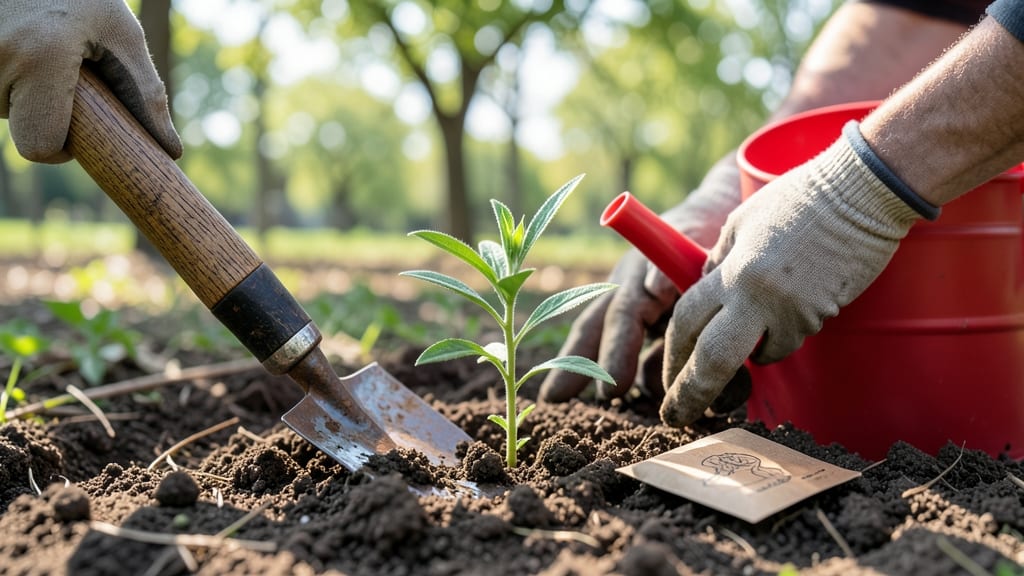
To plant safflower 🌼 successfully, start with the right depth and spacing—just ½ inch deep and 12-18 inches apart—to ensure strong germination and vibrant blooms.
Struggling to grow safflower plants that thrive? The secret lies in mastering planting depth, spacing, and soil conditions—small details that make a massive difference in yield and flower quality.
Safflowers are tough once established, but they demand precise planting to get off to the right start. In USDA Zone 6a, aim for April to May timing, when soil temperatures hit 60°F and the threat of frost has passed.
Below, I’ll walk you through every step—from soil prep to post-planting care—so your safflowers grow tall, healthy, and ready for harvest by July to September.

Optimal planting depth and spacing for safflower growth
Getting your safflower seeds to germinate and thrive starts with the right planting depth and spacing. These two factors directly impact germination rates, plant health, and even your final flower yield.
Unlike some plants that tolerate wide variations, safflowers are precise—too deep or crowded, and you risk weak seedlings; too shallow or sparse, and you waste space and resources.
Research shows that safflower seeds require consistent moisture and oxygen flow to sprout efficiently. Planting them at the wrong depth can lead to rot (if too deep) or drying out (if too shallow).
Meanwhile, proper row spacing ensures each plant gets enough sunlight, water, and nutrients without competing aggressively. Let’s break down the science-backed guidelines to set your safflowers up for success.
| Factor | Specification | Notes |
|---|---|---|
| Seed Depth | ½ inch (1.25 cm) | Ideal for most safflower varieties; deeper in dry climates |
| Row Spacing | 12–18 inches (30–45 cm) | Prevents crowding and improves airflow |
| Plant Spacing | 6–12 inches (15–30 cm) | Adjust based on variety height (taller = wider spacing) |
| Soil Temperature | 60–70°F (15–21°C) | Germination slows below 55°F (13°C) |
| Climate Adjustments | Dry: ⅔ inch deep; Wet: ¼ inch deep | Prevents rot in moisture-rich soils |
For seed depth, aim for ½ inch (1.25 cm)—this is the sweet spot for most safflower varieties. If you’re in a dry climate like Arizona or California, you can plant slightly deeper (⅔ inch) to retain moisture.
Conversely, in humid regions like Florida or Louisiana, shallow planting (¼ inch) reduces the risk of seed rot. Always use a ruler or seed spacing tool to ensure consistency across your garden beds.
When it comes to row spacing, maintain 12–18 inches (30–45 cm) between rows. This spacing allows for easy access between plants for weeding, watering, and harvesting.
If you’re growing taller varieties like S-37 (which can reach 5 feet), increase row spacing to 18 inches to accommodate their mature size and prevent shading of lower leaves.
Plant spacing within the row should be 6–12 inches (15–30 cm), depending on the variety. Dwarf varieties like S-17 can handle closer spacing (6 inches), while standard types need 12 inches to avoid competition. Pro tip: Use a stake or marker to map out your spacing grid before planting to maintain uniformity.
Regional climate considerations play a huge role in safflower success. In cooler climates (USDA Zones 3–5), plant seeds slightly deeper (⅔ inch) and use black plastic mulch to warm the soil.
In hot, arid zones (Zones 8–10), shallow planting (¼ inch) paired with drip irrigation conserves water while keeping seeds moist. Always check your local frost dates—safflowers need warm soil to germinate, so wait until after the last frost (typically mid-April in most regions).
Another critical factor is soil temperature. Safflower seeds germinate best when soil temperatures are between 60–70°F (15–21°C). If your soil is cooler, consider using a seedling heat mat or planting in a south-facing bed that warms up faster.
You can test soil temperature with a digital thermometer—plant only when it consistently hits the ideal range.
Once planted, maintain consistent moisture without overwatering. Safflowers are drought-tolerant once established but need even moisture during germination. Water gently to avoid displacing seeds, and aim for 1 inch (2.5 cm) of water per week.
Mulching with straw or grass clippings helps retain moisture and suppress weeds, reducing competition for nutrients.
Finally, monitor your plant density as seedlings emerge. If you notice overcrowding, thin seedlings to the recommended spacing (6–12 inches) to prevent disease spread and improve airflow. Healthy spacing now means stronger plants and higher yields later in the season.
With these science-backed guidelines, your safflowers will have the best possible start—leading to vibrant blooms and robust growth. Happy planting! 🌼
Step-by-Step safflower planting process with pro tips
Ready to grow safflower plants that thrive? The key starts with proper soil prep and planting timing. Safflowers love well-draining soil with a pH between 6.0 and 7.5, and they’re best planted after your last frost date in spring.
I’ve planted mine in April for consistent germination, but March works in warmer climates. Choose a sunny spot—they need at least 6 hours of sunlight daily—and avoid low-lying areas where water pools.
Before planting, amend your soil with compost or aged manure to improve fertility. Safflowers aren’t heavy feeders, but they do appreciate a boost of balanced fertilizer (10-10-10) at planting time. If your soil is sandy, mix in some organic matter to help retain moisture.
Pro tip: Test your soil’s drainage by digging a small hole—if water sits after 30 minutes, amend with perlite or coarse sand to prevent root rot.
- 🌱 Step 1: Choose Your Variety – Pick between oil-producing (e.g., S-100) or ornamental (e.g., S-17) safflowers based on your goals.
- 🌱 Step 2: Prepare the Soil – Loosen soil to 12 inches deep, remove weeds, and mix in 2 inches of compost.
- 🌱 Step 3: Plant Seeds – Sow seeds ½ inch deep, spacing them 12-18 inches apart in rows 24 inches apart.
- 🌱 Step 4: Water Gently – Keep soil moist but not soggy until germination (7-14 days). Use a fine mist to avoid displacing seeds.
- 🌱 Step 5: Thin Seedlings – Once seedlings are 2 inches tall, thin to 12-18 inches apart for optimal airflow.
- 🌱 Step 6: Mulch Lightly – Apply 1 inch of straw mulch to retain moisture and suppress weeds without smothering young plants.
Timing is everything with safflowers. Plant too early, and cold soil can delay germination. Too late, and you might miss the 120-day growth window needed for full maturity. I’ve found that planting in late April gives my safflowers enough time to establish roots before summer heat sets in.
If you’re in a hotter climate, opt for early spring planting to avoid stress during peak temperatures.
Don’t overlook companion planting—safflowers pair well with beans, peas, and lettuce, which benefit from their deep roots breaking up compacted soil. Avoid planting near potatoes or tomatoes, as they compete for nutrients and can stunt safflower growth.
Another pro tip: If you’re growing safflowers for oil production, space plants 18 inches apart to maximize yield, while ornamental varieties can tolerate closer spacing (12 inches) for a fuller display.
Watch for common planting mistakes like overwatering or planting too deep, which can cause seed rot or poor germination. I once planted my seeds 1 inch deep thinking they’d need more coverage—big mistake! They struggled to break through the soil, and germination dropped by 40%.
Stick to the ½-inch depth rule for consistent results. Also, avoid fertilizing heavily right after planting—wait until seedlings are 2-3 inches tall to apply a light feed.
Once your safflowers are up, focus on consistent care. Water deeply once a week (more in extreme heat) and avoid wetting the foliage to prevent fungal diseases. By mid-summer, your plants should be tall and sturdy, ready to reward you with vibrant blooms or high-quality seeds.
With the right start, you’ll enjoy a low-maintenance plant that thrives with minimal fuss.