
Flowers
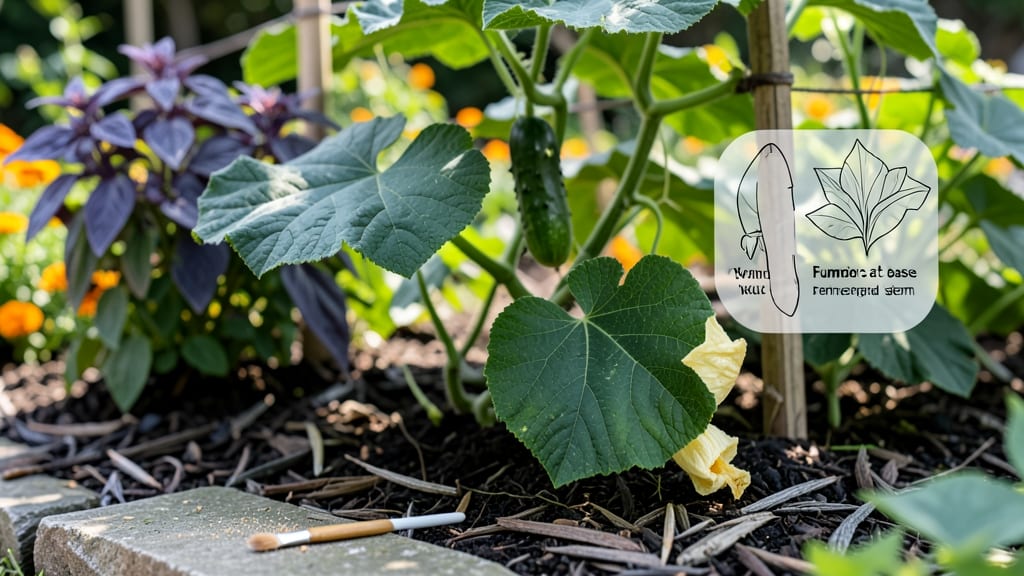
To pollinate cucumbers without male flowers, you’ll need to hand-transfer pollen or choose self-fertile varieties—both methods work when bees aren’t an option.
Picture this: you’ve nurtured your 🥒 plants for weeks, only to watch them bloom with no fruit in sight. That’s the frustrating reality when male flowers are missing, but there’s a solution.
Whether you’re growing in a greenhouse, a bee-free zone, or just impatient for harvests, these techniques ensure fruit set without relying on pollinators.
Self-pollinating cucumber varieties (called parthenocarpic) skip the need for male flowers entirely, while manual methods like brush pollination or gentle plant vibrations mimic nature’s work. I’ll walk you through both approaches, plus how to spot female flowers and troubleshoot common setbacks.
By the end, you’ll know exactly how to coax fruit from your cucumbers—no bees required. Ready to turn those blossoms into harvests?
Best self-pollinating cucumber varieties for no-male-flower gardens
If you're tired of cucumber plants that produce all male flowers but no fruit, you're not alone. The good news? Parthenocarpic cucumbers (self-pollinating varieties) eliminate this frustration entirely.
These no-male-flower varieties produce fruit without bees or manual intervention, making them perfect for greenhouses, containers, or areas with poor pollinator activity. Let's explore the top self-pollinating cucumber varieties that deliver reliable yields with minimal effort.
What makes these varieties special is their parthenocarpy trait, meaning they develop fruit without fertilization. This is a game-changer for gardeners who want consistent cucumber production regardless of pollinator presence.
Whether you're growing in containers, trellises, or ground beds, these varieties adapt well to different conditions while maintaining high yield potential and excellent flavor.
| Variety | Type | Days to Harvest | Size | Best For |
|---|---|---|---|---|
| 'Diva' | Slicing | 55-60 | 6-8 inches | Containers, trellises |
| 'Excelsior' | Pickling | 50-55 | 3-4 inches | Greenhouses, urban gardens |
| 'Socrates' | Slicing | 60-65 | 8-10 inches | Trellises, large gardens |
| 'Corinto' | Mini | 50-55 | 2-3 inches | Containers, salads |
| 'Bush Champion' | Bush | 55-60 | 6-8 inches | Small spaces, no trellis |
'Diva' is my top recommendation for home gardeners who want a high-yielding slicing cucumber that thrives in containers or trellises. This variety produces 6-8 inch fruits with a classic cucumber flavor and disease resistance.
It's particularly well-suited for small spaces and urban gardens where traditional vining cucumbers might struggle.
For those who prefer pickling cucumbers, 'Excelsior' is an excellent choice. This parthenocarpic variety delivers small, crisp fruits perfect for homemade pickles. It matures quickly in just 50-55 days, making it ideal for short growing seasons or greenhouse cultivation where pollinators are limited.
'Socrates' stands out for large gardeners who want long, straight cucumbers perfect for slicing salads. This variety produces 8-10 inch fruits and performs exceptionally well when grown on trellises. The disease resistance makes it a reliable option for humid climates where fungal issues can be problematic.
If you're looking for something unique, 'Corinto' offers mini cucumbers that are perfect for salads and snacking. These 2-3 inch fruits mature quickly and thrive in containers, making them ideal for balcony gardens or patio growing.
The compact growth habit means you won't need extensive space to enjoy a bountiful harvest.
'Bush Champion' is the perfect solution for gardeners with limited space who want to avoid trellises. This bush-type cucumber produces 6-8 inch fruits without requiring vertical support. It's particularly well-suited for small gardens, raised beds, or container growing, delivering consistent yields with minimal maintenance.
When selecting a self-pollinating cucumber variety, consider your growing conditions and space constraints. All these varieties thrive in full sun (6-8 hours daily) and well-draining soil, but their growth habits vary significantly.
For maximum productivity, pair your chosen variety with regular watering and balanced fertilization during the growing season.
Remember that while these varieties don't require male flowers for pollination, they still benefit from proper care. Maintain consistent moisture levels and provide support if needed (especially for vining types). With the right variety and care, you'll enjoy a reliable cucumber harvest all season long—no bees required!
Manual pollination techniques for cucumber plants without male flowers
If your cucumber plants aren’t producing fruit, it might be because they lack male flowers to pollinate the female flowers. While some varieties are self-pollinating, others need a little help from gardeners.
Manual pollination is a simple process that can dramatically improve your fruit set—especially in greenhouses or areas with few bees. The key is knowing when and how to intervene without damaging delicate flowers.
Before diving into techniques, identify your female flowers—they have a tiny cucumber at their base, while male flowers have long stems and no fruit. Once you’ve spotted them, you’re ready to take action.
Manual pollination works best on warm, dry mornings when flowers are fully open. This gives pollen time to transfer naturally and reduces the risk of damaging petals.
How to Manually Pollinate Cucumbers
- Step 1: Gather tools—use a soft paintbrush, cotton swab, or even a toothpick for precision.
- Step 2: Collect pollen from male flowers by gently brushing the anthers (yellow pollen sacs) onto your tool.
- Step 3: Transfer pollen to the stigma (sticky tip) of a female flower by lightly touching it.
- Step 4: Repeat for 3-5 female flowers per plant to maximize fruit production.
- Step 5: Vibrate the plant gently (tap the stem) to mimic bee activity if no male flowers exist.
✅ Pro Tip: Do this every 2-3 days during peak flowering for best results.
For gardeners without male flowers, try the vibration method. Simply grasp the cucumber vine near the base and give it a gentle shake for 5-10 seconds. This mimics how bees pollinate by transferring pollen between flowers.
Repeat this process 2-3 times daily during flowering to encourage fruit development. It’s a low-tech, bee-free solution that works surprisingly well!
Timing is critical—pollinate female flowers when they’re half-open (not fully bloomed) for optimal results. Avoid doing this in hot afternoons, as flowers may wilt or close prematurely. Early morning is ideal because humidity is lower, and petals are more resilient.
If you’re working in a greenhouse, monitor temperature closely—ideal ranges are 70-85°F for successful pollination.
After pollination, keep an eye on your female flowers. Successful pollination will show within 24-48 hours as the flower wilts and a tiny cucumber begins to form. If no fruit appears after a week, repeat the process or check for pests or environmental stressors like extreme heat or drought.
Patience and consistency are key—with the right technique, you’ll soon be harvesting plump, homegrown cucumbers!
Remember, manual pollination isn’t just for emergencies—it’s a reliable method to boost yields in any growing condition. Whether you’re in a greenhouse, urban container, or rural plot, these techniques ensure your cucumbers get the attention they need. Happy gardening—and enjoy that fresh, crisp harvest! 🥒