
Shrubs
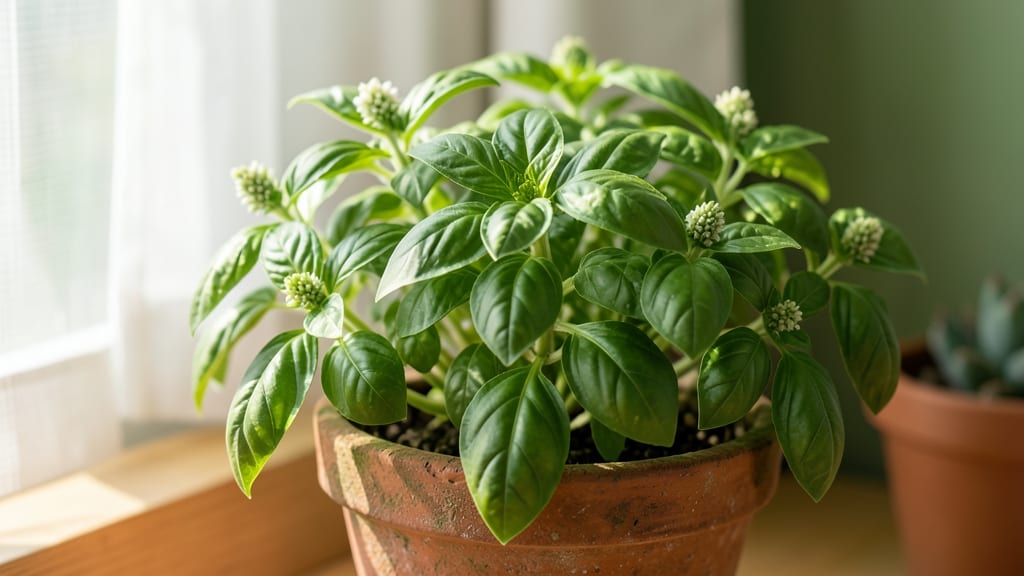
Telling if your 🌿 basil is flowering is easier than you think—look for those tiny white or purple clusters forming at the leaf joints.
If you’ve ever picked basil only to discover a bitter, woody taste, you’ve met a flowering plant. Those little blooms signal the end of peak flavor and the start of a growth slowdown, but catching them early gives you time to fix it.
Flowering basil isn’t just about taste—it redirects energy from leaves to seeds, leaving your harvest sparse and less vibrant. The good news? With the right pruning and light tweaks, you can often reverse the process and keep your plants producing.
Below, I’ll walk you through the 5 early signs of flowering, why it matters, and exactly what to do if you spot those first buds.
5 Early signs your basil is starting to flower
When your basil plants start flowering, it’s a clear signal that your harvest window is closing. Flowering basil shifts energy from leaf production to seed development, which means bitter-tasting leaves and slower growth. The key to saving your crop is spotting these early warning signs before flowers fully bloom.
I’ve grown basil for years, and I’ve learned that catching these changes early makes all the difference in keeping your plants productive.
Flowering basil isn’t always obvious at first glance. Many gardeners mistake natural growth patterns for the early stages of flowering. For example, tall stems or larger leaves can look healthy, but they might actually be your plant preparing to flower.
The trick is knowing what to look for in the leaves, stems, and buds. If you can spot these signs early, you’ll have time to adjust your care routine and potentially reverse the process.
Here’s what to watch for—these five early signs will help you identify flowering basil before it’s too late:
Healthy basil leaves are deep green and glossy. When flowering begins, you’ll notice yellow or brown tips on older leaves. This happens because the plant is redirecting nutrients away from the leaves toward flower development.
Flowering basil grows taller and leggier as it reaches for sunlight. If your plant’s stems are stretching unnaturally—sometimes doubling in height—it’s likely preparing to flower. This is called bolting, and it’s a red flag.
The most obvious early sign is the appearance of small buds in the leaf axils (where leaves meet the stem). These buds are usually purple or white and resemble tiny flowers. Check the top third of your plant first.
If your basil’s leaves are growing slower than usual or appear smaller and less vibrant, flowering may be starting. The plant is prioritizing reproductive growth over leaf production, which directly impacts your harvest.
As flowering progresses, basil stems can become woody or rigid. If you gently bend a stem and it snaps instead of bending, this is another sign your plant is shifting its energy toward flowering.
Catching these signs early gives you the best chance to prune back your basil and encourage leafy growth. For example, if you spot tiny buds or elongated stems, pinch them off immediately.
This redirects the plant’s energy back to producing more leaves, which is what you want for a flavorful harvest. I’ve even seen basil bounce back from early flowering with the right care!
One common mistake I see is assuming that larger leaves mean healthier basil. In reality, big leaves can sometimes signal the plant is preparing to flower. Always check the stem tips and leaf axils for those early buds.
If you’re unsure, compare your plant to a healthy, non-flowering basil—you’ll notice the difference in leaf color, stem firmness, and overall vibrancy.
Flowering basil isn’t the end of the world, but it does mean your plant’s priorities have shifted. If you act quickly, you can often reverse the process and keep your basil producing flavorful leaves.
The key is staying vigilant and checking your plants regularly, especially as they grow taller. With a little attention, you’ll keep your basil thriving all season long.
Remember, the goal is to harvest before flowering. If you notice any of these signs, act fast—your future pesto depends on it! 🌿
Why flowering basil ruins your harvest: flavor and growth impact
Once your basil plant starts flowering, it’s like watching your favorite recipe go wrong—suddenly, the sweet, aromatic leaves you’ve been growing turn bitter and tough. The plant’s energy shifts from producing flavorful foliage to creating flowers, which means fewer leaves for your kitchen and a noticeable drop in quality.
This isn’t just a minor inconvenience; it’s a full-blown harvest killer if you don’t act fast.
The moment basil begins flowering, its essential oils—the compounds responsible for that fresh, sweet flavor—start breaking down. What was once a vibrant, peppery taste becomes harsh and medicinal. Even worse, the plant’s growth slows as it redirects nutrients toward seed production instead of leaf development.
If you’ve ever pinched back basil to encourage bushier growth, you know how critical it is to keep it focused on leaves.
🌿 How to Tell If Basil Is Flowering: Quick Checklist
- Prevents bitter flavor in leaves
- Encourages leaf production instead of flowers
- Allows time for pruning corrections before harvest
- Leaves become harsh and bitter
- Growth stagnates as energy shifts
- Reduced harvest yield over time
Before flowering, basil leaves are tender, sweet, and packed with flavor. After flowering, they develop a bitter compound called quinone, which makes them unpleasant to eat. Imagine spending weeks nurturing your plants, only to harvest leaves that taste like medicine—it’s a heartbreaking waste of effort.
The earlier you spot those tiny white or purple flower buds, the better your chances of saving your harvest.
Flowering also signals the end of your basil’s prime growing phase. Instead of producing new leaves, the plant focuses on developing seeds, which means fewer harvests and slower regrowth. If you’ve ever struggled to keep your basil bushy, you’ll appreciate how critical it is to nip flowering in the bud—literally.
The good news? With the right techniques, you can often reverse the process and restore your basil’s leafy glory.
To compare, think of pre-flowering basil as a delicate symphony of flavors**—sweet, spicy, and aromatic. Post-flowering, it’s more like a single, overpowering note. The difference is stark, and once you’ve experienced the sweetness of fresh, non-flowering basil, you’ll never want to risk it again.
The key is acting fast: prune those flower buds as soon as you see them, and your basil will thank you with a bountiful, flavorful harvest.
Don’t let flowering basil ruin your hard work—stay vigilant, and your plants will reward you with the sweet, tender leaves you love. The moment you notice those first signs, grab your pruners and give your basil the attention it deserves.