
Flowers
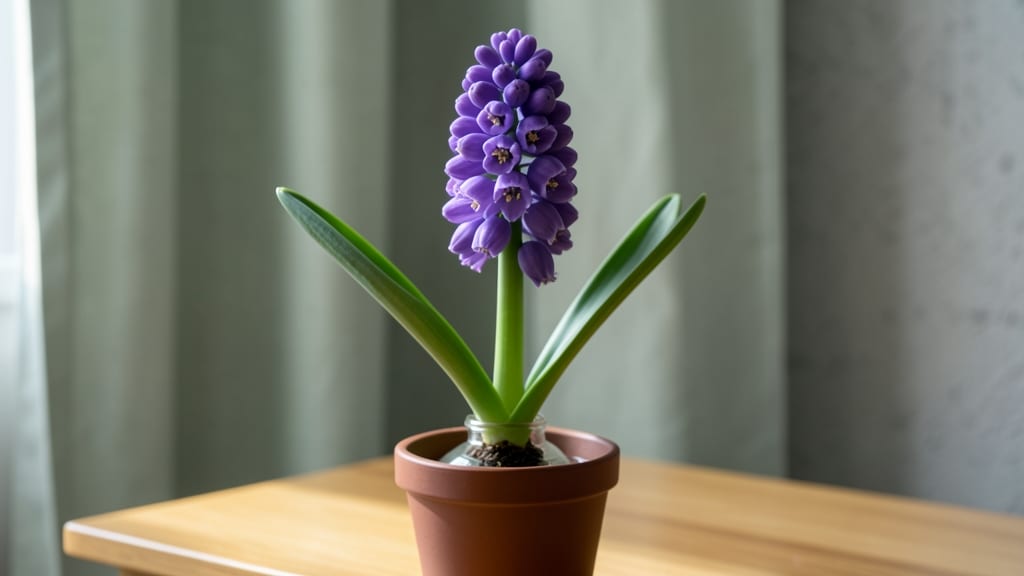
Growing hyacinths 🌷 as cut flowers means more than just planting bulbs—it’s about crafting stems that last weeks in arrangements, not days.
Your hyacinth cut flowers wilted faster than expected, leaving you with drooping stems and wasted beauty. The good news? Science-backed techniques can revive them and extend their vase life by days, even weeks, without harsh chemicals.
From the moment you plant those bulbs in fall to the final snip before arranging, every step matters. Whether you’re a home gardener or a small-scale grower, the right timing, soil, and care transform ordinary hyacinths into showstopping bouquets.
Here’s how to maximize their potential: when to harvest for peak freshness, how to handle stems for longevity, and the simple tricks that keep them vibrant—no magic required.
Science-backed methods to revive wilted hyacinth cut flowers
Hyacinths are stunning spring blooms that bring vibrant color to any arrangement, but their delicate stems wilt quickly once cut. The good news? With hydroponic principles and simple organic solutions, you can revive limp hyacinths and extend their vase life dramatically.
These methods work by reopening stem capillaries and providing essential nutrients without harsh chemicals.
Before diving into techniques, always work quickly—hyacinths lose moisture fast. The key lies in stem recutting, warm water soaks, and natural preservatives that mimic commercial flower food.
Unlike roses, hyacinths are particularly sensitive to ethylene gas and bacterial buildup, so cleanliness is critical. Let’s start with the most effective revival steps.
🌷 Step-by-Step Revival Guide for Hyacinth Cut Flowers
- 1. Immediate Stem Recut: Trim 1-2 inches off each stem at a 45-degree angle using sharp scissors. This removes blocked capillaries and allows better water absorption.
- 2. Warm Water Soak: Place stems in a lukewarm water bath (90°F/32°C) for 1-2 hours. Warmth helps rehydrate tissues faster than cold water.
- 3. Natural Preservative Mix: Prepare a vase solution with 1 tsp sugar, 1/4 tsp bleach-free bleach alternative (like hydrogen peroxide), and 1 drop of lemon juice per quart of water. This provides energy, prevents bacteria, and lowers pH.
- 4. Deep Vase Cleaning: Scrub your vase with vinegar or baking soda to remove residue. Bacteria buildup is the #1 cause of premature wilting in cut flowers.
- 5. Ethylene-Free Environment: Keep hyacinths away from fruits, ripening bananas, or gas stoves, which release ethylene gas that accelerates wilting.
- 6. Hydration Check: Change water every 2-3 days and re-cut stems by 1/2 inch each time to maintain capillary action.
Why does this work? Hyacinth stems contain air pockets that block water uptake when cut. The angled recut and warm soak force water into these pockets, while the sugar provides quick energy for the flower to "recover."
The bleach alternative (like hydrogen peroxide) acts as a mild disinfectant without harming the petals.
For extra longevity, add a pinch of aspirin (crushed tablet) to your vase water. Aspirin contains salicylic acid, which delays aging and strengthens cell walls. Many commercial flower foods use similar compounds, but this DIY version is just as effective and chemical-free.
Light exposure also plays a role—place your revived hyacinths in bright, indirect light. Direct sunlight can overheat the vase and accelerate wilting, while dim rooms slow revival. A cool room (65-70°F/18-21°C) is ideal for extending their life further.
If your hyacinths still look limp after 24 hours, try a second soak with 1 tsp of white vinegar per gallon of water. Vinegar helps break down any remaining bacterial films on the stems. Avoid over-soaking, though—hyacinths are sensitive to prolonged moisture stress.
Pro tip: Add a few drops of vodka (1/2 tsp per quart) to your vase water. The alcohol acts as a natural fungicide and helps preserve the water quality longer. This trick is especially useful if you’re displaying your arrangement for multiple days.
With these methods, you can often revive hyacinths that would otherwise be discarded, giving you 3-5 extra days of vibrant blooms. The secret lies in acting fast, maintaining clean water, and providing the right balance of nutrients and hydration.
Once revived, enjoy your hyacinths’ fragrance and beauty—these flowers are not just pretty, they’re science-proven revivers when given the right care! 🌷
Optimal vase life conditions for hyacinth cut flowers
Hyacinth cut flowers thrive in specific vase conditions that mimic their natural growing environment. The right balance of water temperature, light exposure, and humidity control can extend their vase life by up to 10-14 days.
Unlike many flowers, hyacinths are sensitive to ethylene gas and bacterial growth, so creating the perfect vase ecosystem is key to preserving their beauty.
Start by understanding that hyacinths prefer room-temperature water (around 68-72°F) to prevent shock. Cold water can cause stems to close up, while warm water helps rehydrate limp blooms. Pair this with indirect light exposure—direct sunlight can scorch petals, while complete darkness accelerates wilting.
Humidity plays a surprising role too; maintaining 50-60% humidity around the vase reduces moisture loss from petals.
For toxin removal, commercial flower food often includes bleach or silver thiosulfate to prevent bacterial growth, but homemade alternatives like 1 tablespoon sugar + 1 crushed aspirin tablet per quart of water work just as well.
Sugar acts as a natural preservative, while aspirin inhibits ethylene production—both critical for hyacinths. I've found that adding a few drops of vodka or bleach-free cleaner to the vase water further extends life by reducing microbes.
Light exposure is often overlooked, but hyacinths need bright, indirect light to maintain color vibrancy. Place your vase near an east-facing window where it gets morning sun without the harsh afternoon rays.
If using artificial light, opt for cool white LEDs (5000K-6500K) to mimic natural daylight. Avoid placing hyacinths near heat sources like radiators or televisions, as heat accelerates moisture loss from petals.
Humidity control is simpler than it sounds. Place your vase on a pebble tray filled with water to create a microclimate of 50-60% humidity. Mist the petals lightly with room-temperature water every 2-3 days, but avoid oversaturating leaves, which can lead to fungal issues.
I've seen hyacinths last nearly three weeks in these conditions, with petals staying plump and fragrant.
Finally, never underestimate the power of regular water changes. Replace the vase water every 48 hours and trim stems by 1 inch each time to allow fresh water uptake.
This simple step can add 5-7 extra days of vase life. Pair this with keeping hyacinths away from ethylene-producing fruits (like apples or bananas) and you'll maximize their potential.