
Blooming
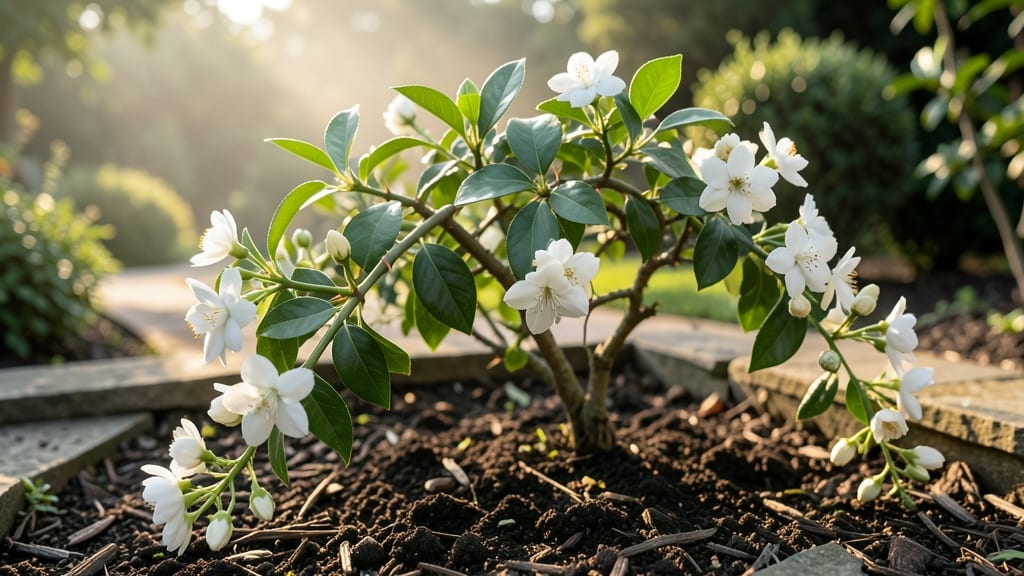
The jasmine plant flowering season brings fragrant blooms that turn any garden into a dreamy escape—but only if you know when and how to care for it.
Picture this: your jasmine vine covered in creamy-white 🌸 blossoms, filling the air with intoxicating perfume. Yet many gardeners miss the window, leaving their plants struggling to bloom.
The secret lies in understanding your variety’s timing—whether it’s the classic spring/summer bloomers like Jasminum officinale or the rare winter-flowering Jasminum nudiflorum—and adjusting care to match.
From pruning in late winter to fertilizing in spring, small tweaks can extend your jasmine’s flowering season by weeks. I’ll walk you through the month-by-month routine that keeps your plant producing blooms reliably, plus how to troubleshoot common issues like delayed flowers or sparse blooms.
Ready to transform your jasmine into a fragrant powerhouse? Let’s dive into the care schedule that guarantees peak blooms year after year.

Jasmine flowering season by variety: when and how long each type blooms
The jasmine flowering season varies dramatically between varieties, with some bursting into bloom in spring while others shine in summer. If you've ever wondered why your Arabian jasmine blooms in May but your Grand Duke jasmine waits until July, the answer lies in their natural growth cycles and climate preferences.
Understanding these differences helps you plan your garden layout and care routine for maximum fragrance impact.
Climate zones play a crucial role too—jasmine plants in USDA Zone 7 may bloom earlier than those in Zone 9, where warmer winters delay dormancy. Even within the same region, microclimates can shift bloom times by weeks.
For example, a Pink jasmine vine basking in morning sun might flower in June, while one in dense shade could wait until August.
Here's the key: most jasmine varieties produce flowers for 4-8 weeks per season, but with proper care, you can extend this period. The secret lies in understanding each variety's specific needs—whether it's pruning timing, fertilizer types, or watering schedules—to encourage continuous blooming.
🌸
The Arabian jasmine steals the show in late spring with its intense floral scent, often blooming continuously if grown in USDA Zone 10 or warmer. This variety thrives in humid climates and can produce flowers year-round in tropical regions.
For gardeners in cooler zones, expect a concentrated 6-8 week bloom period from May through July.
If you're growing Grand Duke jasmine, mark your calendar for July—this variety typically peaks in mid-summer heat. Its smaller, star-shaped blooms pack a punch with a strong jasmine fragrance, but they require consistent moisture to maintain their vibrant color.
In Zone 7, you might see a second, lighter bloom in September if you provide light pruning after the initial flush.
For those who love pink jasmine varieties, the wait is worth it—these plants often produce their first blooms in late June, just as the garden is in full swing. The Pink Star jasmine variety, in particular, offers a beautiful contrast to traditional white jasmines.
To extend its bloom time, I recommend deadheading spent flowers and providing morning sunlight with afternoon shade.
🌿
Don't overlook Star jasmine, which isn't a true jasmine but earns its place with prolonged blooming from late June through September. This variety is my top recommendation for gardeners in dry climates because it's drought-tolerant once established.
Its long bloom duration makes it ideal for cutting gardens, where you can enjoy fresh jasmine-scented bouquets for weeks.
The key to maximizing your jasmine's flowering season lies in pruning timing. For spring bloomers like Arabian jasmine, prune immediately after flowering to encourage next year's buds.
Summer bloomers like Grand Duke jasmine should be pruned in early spring before new growth begins. Always use sterilized pruners to prevent disease spread between plants.
🪴
Remember that climate zone adjustments are crucial—jasmine plants in Zone 5 may require winter protection like mulching or container growing to survive cold snaps. In contrast, gardeners in Zone 10 can enjoy multiple bloom cycles per year with minimal intervention.
Pay attention to your local last frost date and adjust your care
Month-by-month care guide to extend jasmine flowering season
Jasmine plants reward you with their signature fragrant blooms when given the right care at the right time. Unlike many plants, jasmine's flowering season can be extended with targeted monthly tasks—from pruning in winter to humidity adjustments in summer.
The key is understanding how each month impacts your plant's growth cycle and adjusting your routine accordingly. Whether you're growing Arabian jasmine or winter jasmine, these month-by-month tips will help you maximize those intoxicating blossoms all year.
Most jasmine varieties bloom in late spring to summer, but with proper care, you can coax extra blooms in fall or even winter for some species. The secret lies in seasonal adjustments—like reducing water in winter or increasing phosphorus-rich fertilizer in spring—to keep your plant healthy and productive.
Let’s break down the essential tasks for each month to extend your jasmine’s flowering season and keep your garden smelling like paradise.
- 🌱 January-February: Prune dead or weak growth to encourage new blooms. Apply mulch around base for winter protection.
- 🌿 March-April: Fertilize with 10-10-10 NPK to promote spring blooms. Increase watering frequency as temps rise.
- ☀️ May-June: Deadhead spent flowers to extend blooming. Provide afternoon shade in hot climates.
- 💧 July-August: Boost humidity with misting for tropical varieties. Watch for aphids or spider mites.
- 🍂 September-October: Reduce fertilizer use to harden vines for winter. Prune lightly to shape.
- ❄️ November-December: Protect evergreen varieties from frost. Reduce watering significantly.
In late winter (January-February), focus on pruning and protection. Trim any dead or diseased branches to encourage fresh growth, and add a layer of mulch around the base to insulate roots from freezing temperatures.
This is also the perfect time to check your jasmine’s support structure—whether it’s a trellis, fence, or container—and make repairs if needed. For evergreen varieties, wrap delicate stems with burlap if your area experiences harsh winters. These small steps set the stage for a prolific spring bloom.
When spring arrives (March-April), your jasmine will wake up hungry. Feed it with a balanced fertilizer (10-10-10) to encourage both foliage and flower production. Aim for early morning applications to avoid burning roots.
Increase your watering schedule as temperatures rise, but avoid waterlogging the soil, which can lead to root rot. If you’re growing Jasminum nudiflorum (winter jasmine), this is also the time to prune it back by one-third to stimulate new growth for its late-winter blooms.
During the peak blooming months (May-June), your jasmine will need your attention to keep producing those fragrant flowers. Deadhead spent blooms regularly to redirect the plant’s energy toward new flowers rather than seed production.
If your area experiences intense afternoon sun, provide some shade to prevent leaf scorch. For container-grown jasmines, this is also a great time to repot if needed—choose a pot just 1-2 inches larger in diameter to avoid overwhelming the roots.
As summer heats up (July-August), tropical jasmine varieties like Arabian jasmine will thrive with extra humidity and consistent moisture. Misting the leaves in the early morning can help recreate their natural, humid environment.
Keep an eye out for pests like aphids or spider mites, which love dry conditions. A gentle spray of neem oil can keep these critters at bay without harming your plant. For drought-tolerant varieties, reduce watering slightly but maintain even soil moisture.
In fall (September-October), prepare your jasmine for dormancy by tapering off fertilizer and reducing watering. This helps the plant harden off and store energy for next year’s growth. Lightly prune to shape the vine and remove any weak or crossing branches.
For winter-blooming varieties, avoid heavy pruning now—save it for late winter to preserve next year’s flower buds. Mulch again if your area experiences cold snaps, and consider moving potted jasmines indoors if frost is forecasted.