
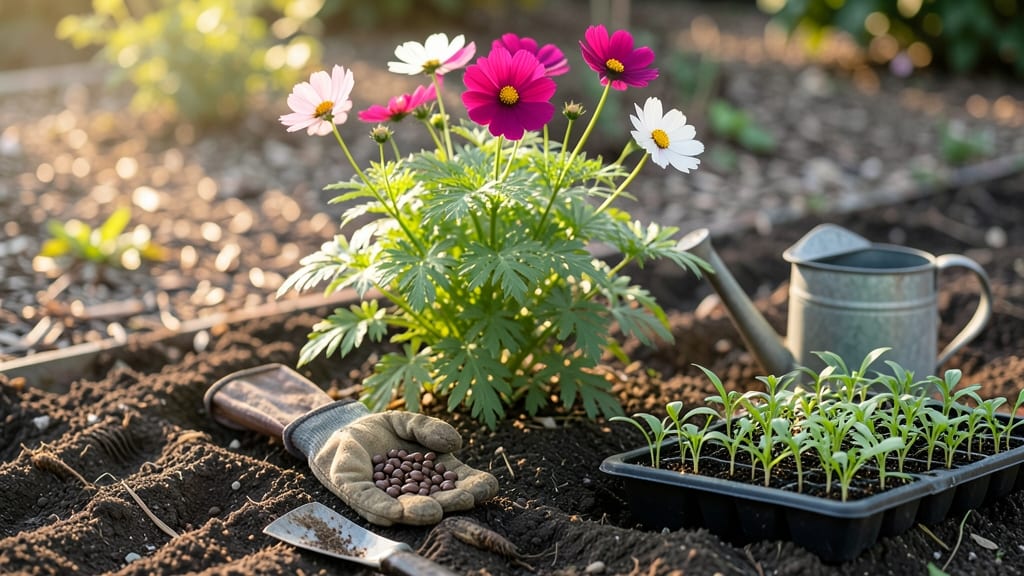
July Planting Flower Seeds: Heat-Tolerant Varieties That Bloom Fast

Planting

July Planting Flower Seeds: Heat-Tolerant Varieties That Bloom Fast

Planting flower seeds in July can still yield stunning blooms 🌸 if you choose the right heat-loving varieties and follow a few key tricks.

Picture this: the dog days of summer, your garden wilting under the sun, and you wondering if anything will grow at all. But with the right fast-growing annuals, you can transform that struggle into a late-summer explosion of color—zinnias, cosmos, and sunflowers included.

July planting isn’t about forcing spring flowers to survive; it’s about selecting heat-tolerant champions that thrive when temperatures rise. The secret? Start with seeds that germinate quickly, provide afternoon shade for seedlings, and water deeply in the morning to beat the heat.

In this guide, I’ll walk you through the top 10 July-friendly flowers, when to plant them by zone, and how to keep them blooming until frost. Ready to turn your summer garden into a vibrant oasis?

🌸 General Summer General Summer Flowers Planting by Zone
Find your USDA zone dates
Zone 3-4
May 15 - Jun 15
Zone 5
May 1 - May 31
Zone 6a
April 155
Zone 7
Apr 1 - May 1
Zone 8
Mar 15 - Apr 15
Zone 9+
Feb 15 - Mar 31

Top 10 heat-tolerant flower seeds for July planting

July’s intense heat can wilt many plants, but these heat-tolerant flower seeds thrive under the sun and deliver stunning blooms by late summer. I’ve selected varieties that germinate quickly and withstand temperatures above 90°F (32°C), ensuring your garden stays vibrant through the hottest months.

Whether you’re planting in containers or garden beds, these flowers require minimal extra care once established.

For best results, choose fast-growing annuals that bloom within 6-8 weeks of planting. Many of these varieties also attract pollinators like bees and butterflies, boosting your garden’s ecosystem. Below, you’ll find my top recommendations, including marigolds, zinnias, and cosmos, along with their care requirements and expected bloom times.

⚠️ Pro Tip: Always plant seeds after soil temperatures reach at least 60°F (15°C) to ensure proper germination. Use a soil thermometer to check—this is especially important in USDA Zones 7-10 where July heat can be extreme.

How to successfully plant flower seeds in July’s heat

July’s intense heat can make planting flower seeds feel like a risky gamble, but with the right approach, you can still grow a stunning late-summer garden. The key lies in selecting heat-tolerant varieties and adjusting your planting techniques to protect delicate seedlings.

I’ve planted zinnias and cosmos in July for years, and these tips have helped me achieve vibrant blooms even in the hottest months.

Start by choosing fast-growing annuals that thrive in heat, like marigolds, sunflowers, and cosmos. These varieties bloom quickly—often within 30-60 days—giving them time to establish roots before fall.

Avoid slow starters like snapdragons, which struggle in July’s extreme temperatures. Always check the seed packet for days to maturity to ensure your flowers will bloom before the first frost.

⚠️ Critical July Planting Warning

Never plant seeds in scorching midday sun—even heat-tolerant varieties can fail if exposed to temperatures above 85°F (29°C) without shade. Plant in early morning or late afternoon when soil is cooler. If your garden lacks shade, consider using row covers or temporary shade cloth until seedlings are established.

Also, soil temperature matters more than air temperature. Use a soil thermometer to confirm it’s at least 60°F (15°C) before planting. If your soil is too hot, water it thoroughly the night before to cool it down.

Prepare your soil by amending it with organic compost or aged manure to improve moisture retention and fertility. Heat dries out soil quickly, so focus on creating a loose, well-draining mix that holds water without becoming soggy.

Work in a 2-inch layer of mulch after planting to lock in moisture and regulate soil temperature. Straw or shredded leaves work best for this purpose.

Watering is the most critical factor in July planting. Deep watering in the morning is essential—aim for 1-2 inches of water per week, delivered directly to the soil rather than the leaves. Avoid overhead watering, which can lead to fungal diseases.

Use a drip irrigation system or soaker hose to keep water at the roots where it’s needed most. I’ve seen seedlings wilt within hours if they’re not consistently hydrated.

After planting, monitor your seedlings closely for signs of heat stress, such as yellowing leaves or wilting. If you notice these symptoms, provide immediate shade with a lightweight shade cloth (30-50% coverage) and increase watering frequency temporarily.

Once seedlings are 2-3 inches tall and show signs of robust growth, you can gradually reduce shade to harden them off for full sun exposure.

Finally, fertilize lightly with a balanced, water-soluble fertilizer (like 5-10-10) 2-3 weeks after planting to support root development. Avoid heavy feeding, which can stress plants in hot conditions. I recommend using fish emulsion or seaweed extract for a gentle nutrient boost.

Deadhead spent blooms regularly to encourage continuous flowering and extend your garden’s season well into autumn.

With these strategies, you’ll transform July’s heat from a challenge into an opportunity to grow a late-summer garden oasis that attracts pollinators and brightens your outdoor space. My marigolds and zinnias always thrive when planted this way, and I’ve even extended their blooming season into October with proper care. 🌻

★★★★★4.9(13 reviews)
Categories Planting
Variety Bloom Time Sun Needs Water Needs Height Key Notes
Marigold (Tagetes) 6-8 weeks Full sun (6+ hrs) Low to moderate 1-2 ft Repels pests; drought-tolerant
Zinnia (Zinnia elegans) 6-10 weeks Full sun Moderate 1-4 ft Cut flowers last 10+ days
Cosmos (Cosmos bipinnatus) 7-9 weeks Full sun to part shade Low 2-4 ft Drought-resistant; self-seeds
Sunflower (Helianthus annuus) 8-12 weeks Full sun Moderate 3-12 ft Attracts birds; edible seeds
Portulaca (Moss Rose) 4-6 weeks Full sun Very low 4-12 in Succulent-like; thrives in heat
Lantana (Lantana camara) 8-10 weeks Full sun Low 1-3 ft Clustered blooms; deer-resistant
Vinca (Catharanthus roseus) 6-8 weeks Full sun to part shade Moderate 6-12 in Heat- and drought-tolerant
Celوسy (Celosia argentea) 6-8 weeks Full sun Moderate 1-2 ft Unique plumes; long-lasting blooms
Amaranth (Amaranthus caudatus) 8-10 weeks Full sun Low to moderate 3-6 ft Edible seeds; drought-resistant
Blanket Flower (Gaillardia) 7-9 weeks Full sun Low 1-2 ft Drought-proof; perennial in warm zones