
Flowers
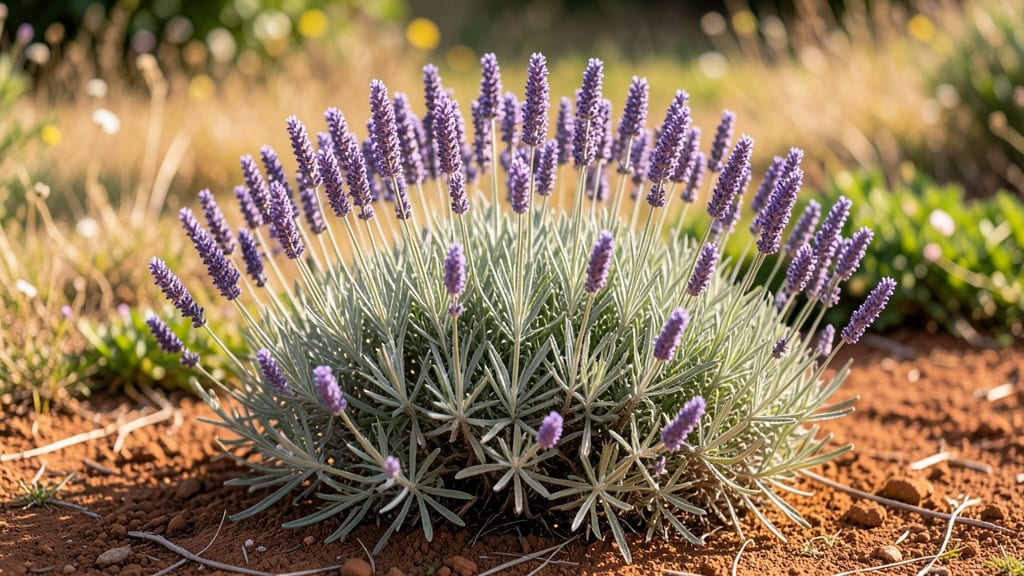
Lavender blooms at its peak flower time between June and September 🌿, turning your garden into a fragrant purple paradise.
The intoxicating scent of lavender isn’t just a summer memory—it’s a carefully timed gardening masterpiece. Planting lavender at the wrong time means waiting months (or years) for those fragrant purple blooms, but get the timing right, and you’ll enjoy a fragrant, drought-resistant garden showstopper year after year.
In USDA Zone 6a, like much of the Midwest, the best window to plant lavender is in March or April, giving it enough time to establish roots before the heat of summer arrives.
This timing ensures your lavender will be ready to burst into bloom just as the weather warms up, maximizing both fragrance and beauty.
Below, I’ll walk you through how to time lavender’s flowering for maximum impact, including the key pruning tricks that keep it blooming longer and troubleshooting common mistakes that delay those coveted purple spikes.
Best planting times for lavender by US climate Zones
Lavender thrives when planted at the right time, but the perfect window depends entirely on your USDA hardiness zone. In cold zones like Zones 3-5, spring planting after the last frost is critical—usually 4-6 weeks before your average last frost date.
Meanwhile, gardeners in warm climates (Zones 8-10) can plant lavender in fall or early winter to avoid summer heat stress. Even within these broad guidelines, local microclimates can shift ideal timing by weeks.
For temperate zones (Zones 6-7), the sweet spot is early spring (March-April) or early fall (September-October). This gives roots time to establish before summer heat or winter frost.
My personal experience in Zone 6a shows that planting in late March yields the most robust plants, with blooms appearing by mid-July. The key is avoiding extreme heat during root establishment, which can stress young lavender.
Here’s a quick reference for optimal planting windows based on your climate zone:
| Climate Zone | Best Planting Time | Avoid Planting When | Bloom Time |
|---|---|---|---|
| Zones 3-5 (Cold) | Late April - Early May | Before last frost or after July | July - August |
| Zones 6-7 (Temperate) | March - April or Sept-Oct | June - August (heat stress) | June - September |
| Zones 8-10 (Warm) | Fall (Oct-Nov) or Early Spring | April - September (summer heat) | March - May or Sept-Oct |
In Zone 8 and warmer, lavender actually prefers cooler weather for establishment. Planting in fall lets roots grow slowly through winter, then burst into bloom as temperatures rise. I’ve seen lavender in Southern California flower as early as February when planted in November.
The trick is to avoid summer planting, which can lead to heat shock and stunted growth.
For container gardening, timing shifts slightly. Potted lavender can handle transplanting year-round in mild climates, but even then, spring or fall is ideal. Containers dry out faster, so establishing roots before summer prevents stress.
I’ve had success transplanting potted lavender in late September in Zone 7, with blooms appearing the following May.
Adjust your planting timeline if you’re in a frost-prone area. For example, in Zone 5, wait until mid-May to plant, even if the table suggests April. Watch your local frost dates—a late frost can kill young lavender.
Use row covers if you must plant early, but remove them once buds appear to prevent bud blast from trapped moisture.
Soil temperature matters just as much as air temperature. Lavender roots struggle in cold, wet soil, so wait until soil warms to at least 60°F (15°C). In northern climates, this might mean delaying planting until late May, even if frost risk has passed.
A simple soil thermometer takes the guesswork out of timing—just check before planting.
Pro tip: If you miss the ideal window, don’t despair. Lavender is perennial and can often recover if planted outside the perfect time. However, first-year blooms may be sparse if roots didn’t establish properly.
For guaranteed results, stick to the zone-specific guidelines above and pair planting with well-draining soil and full sun—the holy trinity of lavender success.
Finally, consider your lavender variety. English lavender (Lavandula angustifolia) is the most cold-hardy and blooms reliably in Zones 5-9. Spanish lavender (Lavandula stoechas) thrives in Zones 7-10 and may need earlier fall planting to handle winter rains. Always check the specific variety’s hardiness before finalizing your planting date.
With the right timing, your lavender will reward you with months of fragrant blooms—and maybe even a few surprises, like second flushes in fall if you prune correctly. Happy planting! 🌿
How to time lavender flowering for maximum perfume and beauty
The secret to lavender's intense fragrance and long-lasting blooms lies in precise timing. Unlike many flowers, lavender rewards patience—harvesting at the right bud stage ensures maximum oil content and scent.
I’ve learned through years of gardening that even a few days too early or late can mean the difference between a fragrant bouquet and a disappointing harvest.
Timing isn’t just about when you cut the stems—it’s also about pruning for next year’s growth and understanding how seasonal changes affect your plants.
In my USDA Zone 6a garden, lavender typically blooms from mid-June to early September, but with the right care, I’ve extended that window by nearly a month. The key?
Knowing exactly when to trim spent blooms, how to preserve dried bundles, and when to avoid heavy pruning.
🌿 5 Critical Timing Steps for Lavender Blooms
- 📅 Step 1: Harvest when 20-30% of buds are open (morning dew makes cutting easier).
- ✂️ Step 2: Prune spent blooms immediately after flowering to encourage new growth.
- 🌡️ Step 3: Avoid heavy pruning in late summer—wait until early spring for major cuts.
- 🌱 Step 4: Deadhead wilted flowers regularly to prevent seed formation and extend blooming.
- ☀️ Step 5: Bundle and dry stems in full sun for 2-3 weeks to preserve maximum scent.
One of my biggest lavender lessons came when I accidentally pruned too late in the season. I cut back English lavender in October instead of early spring, and the next year’s blooms were sparse and weak.
Lavender needs time to harden off before winter, so I now wait until late February or March in my climate zone to do any major pruning.
To preserve lavender’s scent in dried bundles, I’ve found that hanging stems upside down in a dark, dry place works best. But the real trick? Harvesting on a dry, sunny morning when the oil content is highest.
I tie small bundles with twine and hang them in my garage until completely dry—this method keeps the fragrance intact for months. For immediate use, I strip the flowers off the stems and store them in airtight jars.
If you want to extend your lavender’s bloom season, try planting a mix of early and late varieties. My French lavender blooms first in June, followed by English lavender in July-August.
This staggered approach ensures continuous fragrance from early summer through early fall. Just remember: never fertilize after mid-summer, as it can encourage leafy growth over flowers.
For next year’s growth, I always leave about one-third of the previous year’s stems intact. These woody stems protect new growth from frost damage and provide structure. In early spring, I trim just above a set of leaves to encourage new shoots.
This simple technique has kept my lavender thriving for over 5 years with minimal effort.