
Blooming
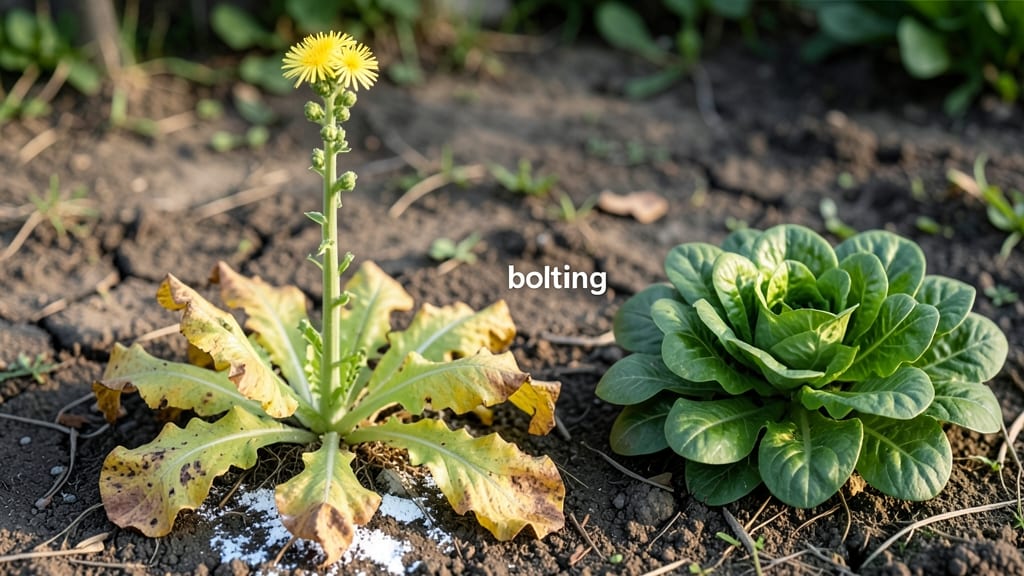
When your 🥬 lettuce enters the flowering stage, it’s not a failure—it’s a signal your plants are reacting to stress or environmental cues.
Picture this: you’ve nurtured tender lettuce leaves for weeks, only to wake up one morning and spot those telltale flower stalks shooting up. This lettuce flowering stage can turn crisp greens into bitter, woody stalks if you don’t act fast.
But here’s the good news: understanding why it happens—and how to delay or manage it—can save your harvest. Whether you’re growing leaf lettuce for salads or head varieties for crunchy bites, this guide breaks down the science, signs, and solutions to keep your crop productive.
From choosing heat-tolerant varieties to using shade cloth and adjusting planting times, you’ll learn practical strategies to extend your harvest season and avoid the frustration of bolting. Let’s get your lettuce back on track!
Why does lettuce enter the flowering stage too soon?
When your lettuce plants suddenly shoot up tall flower stalks, it's called bolting. This natural process happens when lettuce shifts from leaf production to seed development.
For leaf varieties like romaine or butterhead, bolting means bitter, tough leaves. Understanding the triggers helps you prevent it and save your harvest.
Lettuce bolting is primarily triggered by temperature stress, day length, and plant maturity. When nights stay above 60°F (15°C) for weeks, lettuce senses it's time to reproduce.
Even heat waves can accelerate flowering. Day length also plays a role—longer days in spring and fall signal lettuce to bolt faster than in cooler months.
Genetics also determine bolting resistance. Heat-tolerant varieties like Jericho or Black Seeded Simpson delay flowering longer than sensitive types. If your lettuce bolts after just 30 days, it may be a fast-maturing variety pushed beyond its limits.
Environmental stressors like drought, poor soil, or crowding can trigger early bolting. When roots struggle to absorb water or nutrients, lettuce perceives stress and bolts as a survival tactic. Even nutrient deficiencies, especially nitrogen, can accelerate flowering.
Improper spacing worsens the problem. Lettuce needs 12-18 inches between plants for airflow and root development. Crowded plants compete for resources, leading to stress and premature bolting. Thin seedlings early to avoid this common mistake.
Another key factor is light exposure. While lettuce thrives in partial shade, too much direct sun—especially in summer—can cause bolting. Even reflected heat from pavement or dark soil raises soil temperatures, signaling lettuce to flower.
Even soil temperature matters—lettuce roots prefer 55-65°F (13-18°C). If soil heats up beyond this range, roots struggle, and the plant bolts. Test soil temps with a soil thermometer before planting in summer.
Real-world example: In Zone 7, gardeners often see lettuce bolt in June when temps climb above 80°F (27°C). The solution? Plant shade-tolerant varieties like Oakleaf and use row covers to keep soil cool.
If your lettuce bolts but you still want to harvest, focus on leaf varieties first. Cut leaves below the flower stalk—they’ll remain tender longer than head lettuce. For head types, pull plants if stalks appear, as flavor declines rapidly.
How to prevent lettuce from flowering before harvest
When your lettuce plants start sending up flower stalks too soon, it’s often a sign of bolting—a natural response to stress or heat. This process turns crisp leaves bitter and tough, ruining your harvest.
The good news? With the right strategies, you can delay flowering and keep your lettuce tender and sweet for weeks longer.
Bolting happens when lettuce senses long daylight hours or temperature spikes above 75°F (24°C). Even mature plants can bolt if they’re crowded or nutrient-deficient. The key to prevention lies in variety selection, shade management, and consistent care.
Let’s explore the most effective tactics to keep your lettuce in its prime.
Top 5 Ways to Delay Lettuce Flowering
- 1. Choose Heat-Tolerant Varieties: Opt for butterhead or romaine types like 'Jericho' or 'Black Seeded Simpson,' which bolt slower in warm weather.
- 2. Use Shade Cloth (30-50%): Cover plants during peak sunlight hours (10 AM–4 PM) to keep temps below 75°F (24°C).
- 3. Practice Succession Planting: Sow new seeds every 2-3 weeks in spring/fall to ensure a steady supply of young, cool-weather plants.
- 4. Mulch Heavily: Apply 2-3 inches of straw to retain soil moisture and cool roots, reducing stress-induced bolting.
- 5. Avoid Over-Fertilizing: Too much nitrogen can cause rapid growth and early bolting; use a balanced 5-10-10 fertilizer sparingly.
Start by selecting heat-tolerant varieties like 'Summer Crisp' or 'Winter Density,' which are bred to resist bolting. These varieties can handle warmer temperatures better than traditional types, giving you a longer harvest window.
Plant them in partial shade or under drip irrigation to maintain even moisture—drought stress is another major bolting trigger.
If you’re growing in hot climates, consider succession planting every 2 weeks in early spring or late summer. This ensures you always have young, cool-season plants that haven’t yet triggered their bolting response. Pair this with shade cloth (30-50% coverage) during the hottest months to mimic cooler growing conditions.
Soil management plays a crucial role too. Lettuce thrives in well-draining, nutrient-rich soil with a pH of 6.0-7.0. Amend your beds with compost before planting, and avoid heavy fertilizers that can overstimulate growth. Instead, side-dress with fish emulsion every 4-6 weeks for a gentle nitrogen boost without risking bolting.
Finally, watch for early signs of stress like yellowing leaves or stretched stems, which indicate your plants are struggling. Adjust your care immediately—whether that means increasing shade, watering deeper, or thinning crowded seedlings.
With these strategies, you can extend your lettuce harvest by 3-4 weeks or more.