
Flowers
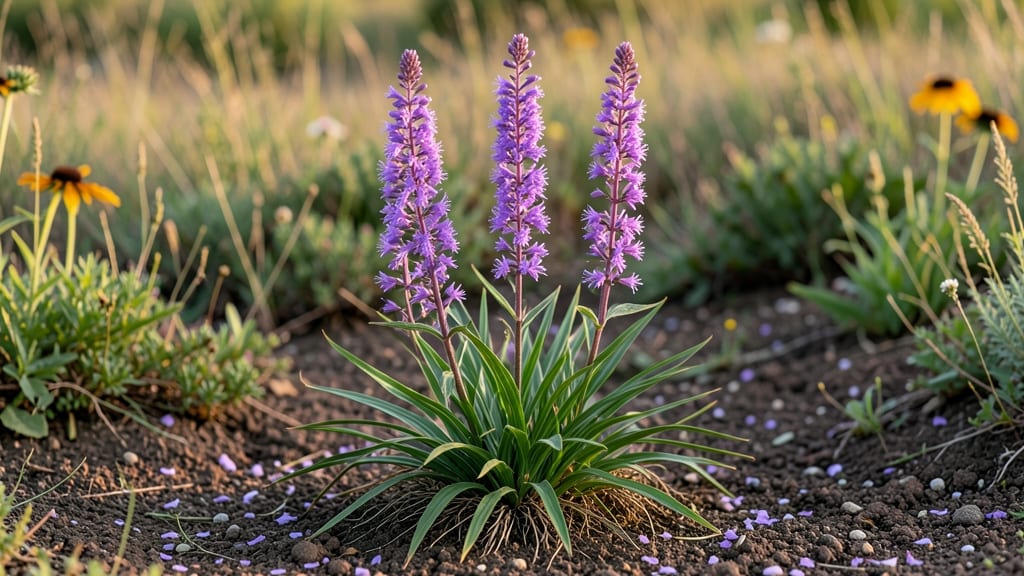
The flowering time of liatris turns your garden into a purple paradise 🌸 when timed just right—but getting those vibrant spikes to appear depends on where you live and how you care for them.
Picture this: you’ve planted your Liatris spicata or Liatris pycnostachya in spring, and now you’re waiting for those signature flower spikes to rise. The difference between a two-week showstopper and a six-week display often comes down to knowing your USDA zone and a few simple care tricks.
From Zone 3’s early July bursts to Zone 9’s lingering September blooms, each region has its own timing. But even in the same zone, soil prep, sunlight, and watering can shift your flowering window by weeks—and I’ll show you exactly how to maximize those purple plumes.
You’ll learn the month-by-month blooming calendar for your area, how to extend your display with deadheading and companion plants, and the three common mistakes that keep liatris from flowering at all.
Liatris flowering time by USDA Zone: exact months for peak blooms
Timing your liatris blooms depends heavily on your USDA zone. These stunning purple spikes thrive in late summer to fall, but exact months shift dramatically from Zone 3 to Zone 9.
Whether you're growing Liatris spicata or Liatris pycnostachya, understanding these regional variations ensures you won't miss their dramatic display.
Northern gardeners in Zones 3-5 often see blooms arrive earlier than southern growers, while Zones 6-9 enjoy extended flowering periods. The key is matching your local frost dates with the right liatris variety—some bloom in July, others stretch into October.
Let's break down the exact months for peak color by zone.
🌸
| USDA Zone | Early Varieties | Mid-Season Varieties | Late Varieties | Peak Bloom Window |
|---|---|---|---|---|
| Zone 3-4 | Liatris spicata 'Kobold' | Liatris spicata 'Alba' | Liatris pycnostachya | Late July - Early September |
| Zone 5-6 | Liatris spicata 'Floristan' | Liatris spicata 'Goblin' | Liatris aspera | Early July - Mid September |
| Zone 7-8 | Liatris spicata 'Blue Chip' | Liatris spicata 'Kobold' | Liatris elegans | Mid July - Late October |
| Zone 9 | Liatris pycnostachya 'Klein's Blue' | Liatris spicata 'Alba' | Liatris squarrosa | Late June - November |
In Zones 3-4, where summers are short, liatris blooms typically start in late July and peak by early September. This tight window means gardeners should prioritize early-blooming varieties like 'Kobold' to maximize display time.
The first frost risk in these zones often cuts blooms short, so plan companion plants like sedum or goldenrod to extend seasonal interest.
Gardeners in Zones 5-6 enjoy a 2-month bloom window, from early July to mid-September. This is ideal for creating long-lasting cut flowers—simply harvest stems when 20% of buds open to prolong vase life.
The mid-season varieties like 'Goblin' provide continuous color, while late bloomers like Liatris aspera ensure color into fall.
Southern growers in Zones 7-8 can push liatris blooms into late October, with some varieties like Liatris elegans lasting until November. The extended season allows for layered planting designs with fall asters or Japanese anemones.
However, be mindful of humidity levels—these zones may require fungus-resistant varieties to prevent powdery mildew.
In Zone 9, liatris can bloom year-round with proper care, though peak displays occur from late June to November. This makes liatris perfect for winter gardens in mild climates. Pair it with evergreen shrubs
How to extend liatris flowering season with proven gardening tips
Your liatris (or blazing star) delivers those stunning purple spikes for weeks, but with a few smart strategies, you can stretch that flowering time by 3-6 weeks or more. The secret lies in mimicking their natural habitat while optimizing care during each season. Let's unlock those hidden blooming secrets!
Native to prairie ecosystems, liatris thrives on well-draining soil and full sun exposure. By replicating these conditions and adding targeted care, you'll transform your garden into a long-blooming liatris paradise.
The key techniques include soil preparation, strategic watering, and companion planting—all designed to keep your plants happy and flowering longer.
- 1 Soil Prep: Amend clay-heavy soil with sand and compost (ratio 2:1) to improve drainage. Liatris hates soggy roots!
- 2 Watering: Water deeply once weekly (1 inch total) during active growth. Reduce to bi-weekly once buds form.
- 3 Deadheading: Snip spent blooms at the first brown node to encourage secondary blooms. Use clean bypass pruners for precision.
- 4 Companions: Plant with salvia or rudbeckia for pollinator support. Avoid competitive grasses like fescue.
- 5 Seasonal Care: Apply 2 inches of mulch in spring to retain moisture. In fall, leave seed heads for winter interest.
Start with soil preparation—liatris roots need aeration to thrive. Mix coarse sand into heavy clay soils to prevent root rot, which can shorten flowering time.
For container growing, use a blend of 50% cactus mix and 50% perlite for optimal drainage. This simple adjustment can add 2-3 extra weeks of blooms!
Your watering schedule plays a crucial role too. During bud formation (late spring), water deeply every 5-7 days to encourage strong stems. Once blooms open, reduce to once weekly—liatris is drought-tolerant once established. Overwatering triggers leaf fungal diseases, which can stunt flowering entirely.
Don't underestimate the power of deadheading! When you notice spent blooms turning brown, snip them back to the first healthy node using sterilized pruners. This stimulates new flower spikes and can extend your liatris flowering time by up to 6 weeks.
Time your cuts for early morning to avoid attracting pests.
Strategic companion planting works wonders too. Pair your liatris with salvia or coneflowers to attract pollinators that boost flower production. Avoid planting near aggressive perennials like monarda, which can crowd out your liatris. A 3-foot radius of companion plants creates the perfect pollinator magnet!
Finally, adjust your seasonal care for maximum impact. In early spring, apply a light fertilizer (10-10-10) to jumpstart growth. During late summer, reduce watering to prevent leggy growth.
And here's a pro tip: Leave seed heads over winter—they provide food for birds and natural mulch when they decompose.