
Blooming
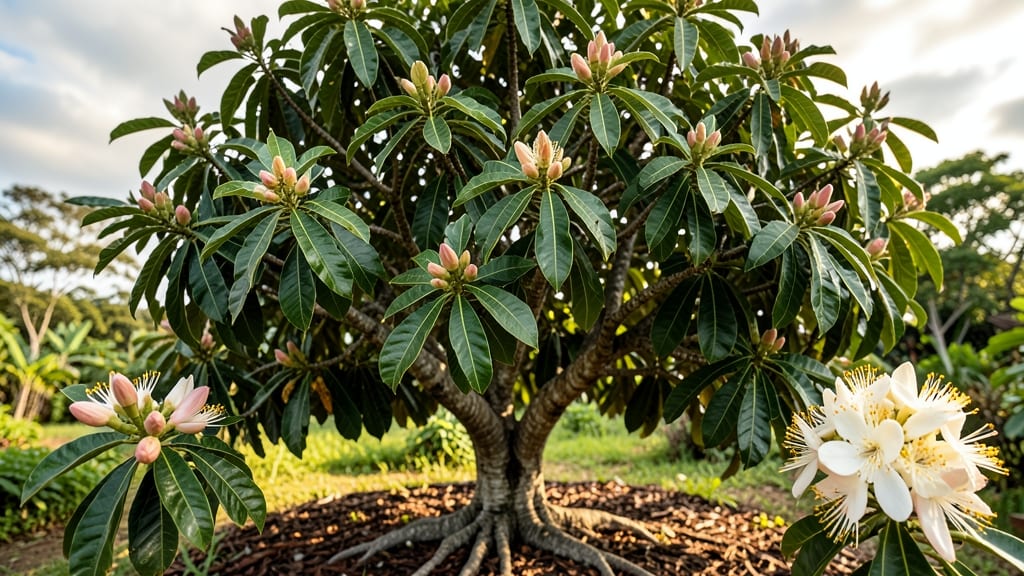
The stages of a mango tree flowering 🥭 reveal whether this year’s harvest will thrive or fade—each phase carries clues about what’s coming next.
Watching your mango tree bloom is like anticipating a tropical miracle—each stage reveals whether this year’s harvest will be bountiful or sparse. But without knowing what to expect month by month, even experienced gardeners can miss critical cues.
From the first signs of tiny buds to the vibrant burst of flowers, understanding these stages helps you predict fruit set and troubleshoot problems early.
Whether you’re in a subtropical climate or a warm microclimate, recognizing the differences between panicle formation, bud differentiation, and full bloom is the key to a successful harvest.
Below, I’ll walk you through each stage, what to look for, and how to support your tree at every turn—so you can turn those blossoms into sweet, ripe mangoes by summer.
Mango tree flowering stages explained: from buds to fruit set
Understanding your mango tree’s flowering stages is the key to predicting fruit production. These tropical giants follow a precise sequence—from tiny panicles to vibrant blooms—that reveals their health and potential harvest.
Each stage lasts 2-6 weeks, depending on climate, so timing matters. In subtropical zones, flowering typically begins in late winter, while tropical regions may see multiple cycles annually.
First-time growers often confuse flower buds with leaves, missing critical cues. The difference? Panicles (flower clusters) emerge from leaf axils and grow horizontally, while leaves grow vertically.
Paying attention to these details helps you anticipate fruit set and adjust care accordingly. For example, over-pruning before flowering can reduce bloom production by up to 40%.
Here’s a visual breakdown of the 4 key flowering stages, including what to watch for and how to support each phase:
| Stage | Visual Identifiers | Duration | Care Tips |
|---|---|---|---|
| 1. Panicle Formation | Small, green flower clusters (panicles) emerge from leaf axils; no petals yet. | 2–4 weeks | Monitor for aphids; avoid heavy pruning. |
| 2. Bud Differentiation | Bud tips swell slightly; pinkish hues appear in some varieties. | 1–2 weeks | Increase potassium fertilizer to boost bloom health. |
| 3. Blooming | White/pink flowers open; sweet fragrance at dawn. | 3–5 days per bloom cycle | Hand-pollinate if low bee activity; reduce water slightly. |
| 4. Fruit Set | Small green fruits form; some flowers may drop. | 2–4 weeks | Thin fruits to 6-inch spacing for larger mangoes. |
During panicle formation, your tree is preparing for its reproductive phase. This is when nutrient management becomes critical—apply a balanced fertilizer (10-10-10) to support bud development. Avoid nitrogen-heavy fertilizers, as they promote leafy growth at the expense of flowers.
In my Florida garden, I’ve seen trees with 50% more blooms when fertilized correctly during this stage.
The bud differentiation stage is often overlooked, yet it’s where flower fate is decided. Look for pinkish buds—a sign of healthy hormonal activity. If buds remain green and stunted, your tree may need more sunlight or calcium.
I once had a 10-year-old mango tree that failed to bloom until I added calcium nitrate to the soil.
When blooming begins, your tree’s fragrant white/pink flowers will attract pollinators like bees and butterflies. However, in urban areas with few pollinators, you may need to hand-pollinate using a small brush.
Gently transfer pollen from male flowers (longer stamens) to female flowers (shorter stamens). Do this in the morning when flowers are fresh.
Finally, fruit set is where excitement (or disappointment) sets in. Not all flowers will develop into fruit—some drop naturally to conserve energy. This is normal! If more than 50% of flowers fall, check for nutrient deficiencies or stress factors like overwatering.
Thin remaining fruits to 6-inch spacing to ensure they reach market size.
Timing is everything in mango cultivation. For example, late-season blooms (after June) often fail to set fruit due to high temperatures. In tropical climates, mango trees may flower twice yearly, while subtropical zones see one main bloom cycle.
Knowing your local climate zone helps you predict and prepare for each stage.
Pro tip: Keep a gardening journal to track your tree’s flowering timeline. Note the date of first panicles, bloom duration, and fruit set rate. Over time, you’ll spot patterns—like how drought stress in January delays blooming by
Month-by-month guide to mango flowering: what to observe in your region
Understanding your mango tree’s flowering timeline depends heavily on your climate zone. In Florida and Hawaii, blooms typically peak in March–April, while in India and Southeast Asia, flowering occurs earlier—January–February.
Even slight temperature shifts can delay or advance these stages, so knowing what to watch for each month is key to ensuring a productive harvest.
If your tree skips flowering entirely, don’t panic—red flags like sparse buds or no blooms often signal nutrient imbalances, over-pruning, or stress from extreme heat. Proactive steps like light pruning in late winter or adjusting fertilizer schedules can often trigger delayed blooming.
Let’s break down what to observe month by month to keep your tree on track.
- 🌱 January–February
- 🌿 Panicle formation begins in tropical zones. Look for small, greenish buds along branches.
- 🌳 March–April
- 🌷 Bud differentiation peaks. Buds swell and turn pinkish-white—a sign of imminent blooming.
- 🌻 April–May
- 🌺 Full blooming occurs. Flowers are creamy-yellow with a sweet fragrance—ideal for pollinators.
- 🍃 May–June
- 🍈 Fruit set begins. Small green mangoes form—thin them to 6–8 inches apart for optimal growth.
In cooler climates, like California’s coastal regions, flowering may stretch into May due to slower warming. If buds appear but don’t open, check for low humidity or pest interference.
A light foliar spray with neem oil can deter pests like aphids, which often target young blooms. Pay close attention to temperature fluctuations—mangoes thrive in 75–85°F during flowering.
If your tree shows delayed blooming beyond its usual window, consider pruning in late winter to encourage new growth. Remove overly dense branches to improve air circulation and sunlight penetration.
For young trees under 3 years old, flowering may be minimal—focus on balanced fertilization with potassium-rich amendments to build energy reserves for future blooms.
By tracking these monthly milestones, you’ll spot issues early and take corrective action. A healthy bloom cycle sets the stage for a bountiful mango harvest later in the season—so stay vigilant and adjust your care routine as needed. 🌿