
Flowers
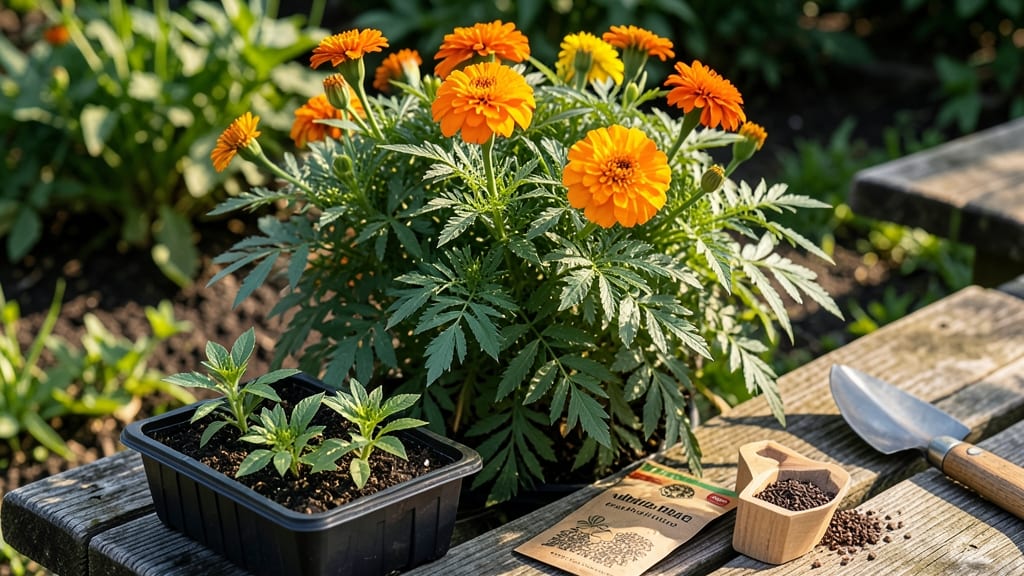
Marigolds take 45 to 90 days from seed to flower, depending on the variety and growing conditions—so timing your plantings right can mean the difference between a summer full of bright 🌼 blooms and a season of waiting.
Picture this: You’ve just tucked those tiny marigold seeds into the soil, dreaming of golden and orange blooms by summer. But then you check the calendar, and suddenly, those 60 days feel like an eternity.
The truth? Some varieties bloom in as little as 45 days, while others take nearly three months—so knowing which you’re growing (French, African, or signet) is half the battle.
Climate plays a bigger role than you might think. In cooler zones like 6a, marigolds often take 10-20 extra days to flower compared to warmer regions.
That’s why planting after your last frost (April-May for most of us) and giving them full sun is non-negotiable—skimp on either, and you’re just asking for delays.
Here’s the good news: With the right tricks—like pinching back early blooms or adjusting soil warmth—you can shave weeks off that timeline.
I’ll walk you through exactly how to speed up those vibrant flowers, so you’re not left staring at green stalks when the neighbors’ gardens are already in full color.

Marigold seed to flower time by variety: fastest to slowest bloomers
If you're eager to see those bright marigold blooms brighten your garden, timing is everything! The seed-to-flower timeline varies dramatically between varieties—some burst into color in just 45 days, while others take nearly 90 days.
Understanding these differences helps you choose the perfect marigolds for quick summer displays or long-lasting seasonal color. Let's dive into the specifics so you can plan your planting schedule with confidence.
Marigolds belong to three main categories: French marigolds, African marigolds, and signet marigolds. Each group has distinct growth habits that directly impact how quickly they transition from seed to flower.
French marigolds, for example, are the speediest, often blooming in as little as 45 days under ideal conditions. Meanwhile, signet marigolds take their time, sometimes requiring up to 90 days to reach full bloom. These differences are influenced by genetics, plant structure, and even the way they allocate energy.
Here's where things get interesting: dwarf varieties within each category typically bloom faster than their taller counterparts. For instance, a French marigold dwarf might flower in 50 days, while a giant African marigold could take 75 days or more.
The reason? Smaller plants focus energy on producing flowers rather than growing extensive foliage or stems. This makes them ideal for container gardens or quick ground cover.
The genetic makeup of each marigold variety plays a huge role in bloom speed. French marigolds, for example, have a more compact growth habit that prioritizes flower production over leafy growth. This makes them perfect for gardeners who want quick results.
Meanwhile, African marigolds invest more energy into developing large, showy blooms, which takes longer but pays off with dramatic color. The signet marigolds, with their distinctive petal shapes, are the slowest because their unique flower structure requires more developmental time.
Did you know that soil temperature can shave days—or even weeks—off your marigold's bloom time? Seeds germinate fastest in soil that's at least 70°F (21°C). If you're in a cooler climate, consider using black plastic mulch or a seedling heat mat to warm the soil and jumpstart growth.
This simple trick can turn a 75-day African marigold into a 60-day bloomer, giving you earlier color and more time to enjoy those vibrant flowers before fall arrives.
Another factor that affects bloom speed is light exposure. Marigolds thrive in full sun (6+ hours daily), but they also respond well to bright light intensity. If you're growing marigolds in containers or partial shade, expect their bloom time to stretch by 10-20 days.
For fastest results, place them in the sunniest spot in your garden—think south-facing beds or raised planters where they won't compete with taller plants for sunlight. This extra light helps them photosynthesize efficiently, speeding up their growth cycle.
Let's talk about pruning and maintenance, which can also influence how quickly marigolds flower. Regularly pinching back dead blooms encourages new flower production, which can lead to a second flush of blooms in just 3-4 weeks.
This practice is especially effective with French marigolds, where removing spent flowers can trigger faster reblooming. For African marigolds, focus on removing only the most wilted blooms to avoid over-stimulating the plant before it's ready.
The key is balance—too much pruning can delay flowering, while too little can lead to leggy, less productive plants.
If you're planning a season-long marigold display, mix fast and slow varieties for continuous color. Start with French marigolds for early blooms, then follow with African marigolds and finish with signet marigolds for late-season interest. This staggered approach ensures your garden stays vibrant from early summer through fall.
Pro tip: Sow successive plantings every 2-3 weeks to keep the flowers coming. Even if you're working with slower varieties, this method guarantees you'll have marigolds in bloom for months.
For gardeners in cooler climates (USDA zones 3-5), extending the growing season with row covers or cold frames can help marig
How climate zones affect marigold flowering speed: from hot to cold regions
Your USDA climate zone plays a bigger role in marigold flowering speed than you might think.
In warm zones (7-11), marigolds can bloom in as few as 45-60 days from seed, while in cooler zones (3-5), the same varieties may take 60-80 days—sometimes even longer if spring arrives late.
The difference comes down to soil warmth, daylight hours, and temperature fluctuations that affect root development and photosynthesis.
Marigolds thrive in full sun (6+ hours daily), but cooler climates force gardeners to adjust planting times. In Zone 3-5, I recommend starting seeds indoors 6-8 weeks before last frost to give seedlings a head start.
For Zone 6-11, direct sowing after soil reaches 60°F (15°C) works perfectly—often yielding blooms 10-20 days faster than northern gardens.
In Zone 3-5, I’ve found that African marigolds (like 'Crackerjack') handle cooler temps better than French marigolds (like 'Bonanza'). Their thicker foliage insulates roots, reducing delays. For faster blooms, use black plastic mulch to warm soil 5-10°F warmer than ambient air.
In my Zone 4 garden, this cut bloom time from 75 to 60 days for French varieties.
Southern gardeners in Zones 8-11 have the advantage of longer growing seasons and warmer soil, but they must watch for heat stress during summer. If temperatures exceed 90°F (32°C), marigolds may bolt or produce smaller blooms.
I’ve seen signet marigolds (like 'Beauty of Bath') take 90 days to flower in Zone 10 when planted in late spring, but only 65 days when started in early spring.
To maximize blooms in cooler climates, choose early-flowering varieties like 'Tangerine Gem' (French) or 'Janie' (African). For warmer zones, succession planting every 2-3 weeks ensures continuous color. I’ve had Zone 9 gardens with marigolds blooming year-round by staggering plantings—just watch for pests like aphids that thrive in heat.
Pro tip: Use a soil thermometer to track warmth. Marigold seeds need 70°F (21°C) soil to germinate quickly. In Zone 5, I wait until late May when soil hits this mark, even if air temps are cooler.
This simple adjustment can halve germination time and speed up flowering by 2 weeks.