
Blooming
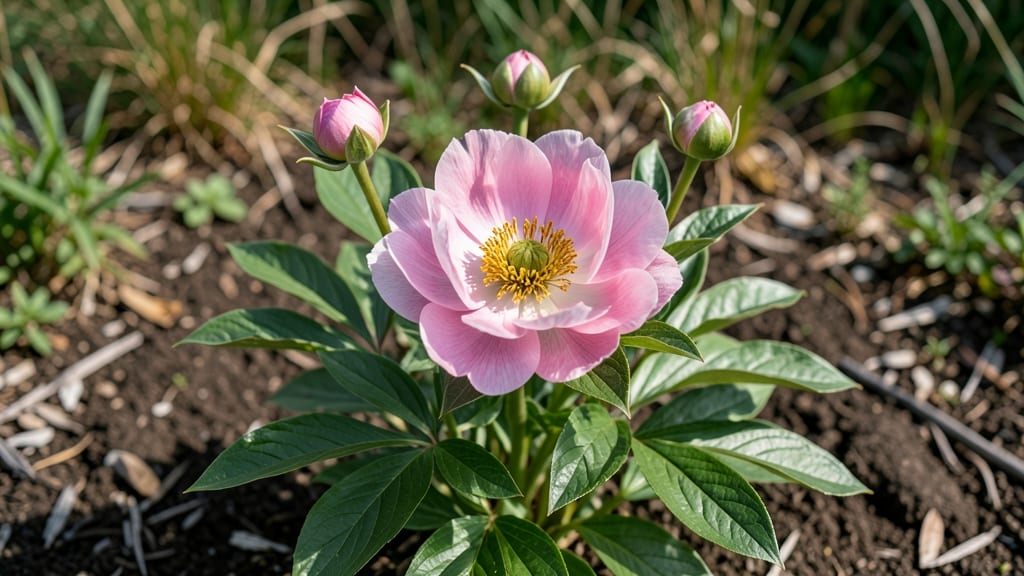
The peony flower blooming season is the moment your garden comes alive with bold, fragrant 🌸 displays that last for weeks—but timing it right is easier said than done.
You’ve probably watched the calendar flip to May, only to see your peonies still sleeping underground, while your neighbor’s garden bursts into color. That’s because USDA zones shift bloom windows by weeks, and even the variety matters.
From late April in Zone 3 to June in Zone 9, peonies follow a predictable rhythm—but soil temperature, sunlight, and care habits can nudge those buds to open earlier (or later) than expected.
In this guide, I’ll break down the exact months for your zone, share proven tricks to extend blooms by weeks, and reveal the #1 mistake that cuts flower time short before it even starts.
Peony blooming season by USDA Zone: exact months for peak flowers
Peonies are one of the most anticipated spring blooms, but their blooming season shifts dramatically depending on your USDA zone.
In cooler northern climates like Zone 3, you might see buds unfurl as early as late April, while gardeners in Zone 9 often wait until June for their peony extravaganza. This variation happens because cooler zones experience earlier soil warming, triggering dormancy to break sooner.
Understanding your zone’s timing helps you choose early-blooming varieties like 'Sarah Bernhardt' or late-season types such as 'Bowl of Beauty'. Professional growers confirm that herbaceous peonies (the most common type) typically bloom for 7-10 days, while tree peonies can extend their show for 3-4 weeks with proper care.
Here’s the exact month breakdown for peak peony blooms across USDA zones, based on regional averages and grower observations:
Notice how Zone 3 peonies bloom nearly 6 weeks earlier than those in Zone 9? This shift occurs because warmer zones require more time for soil temperature to reach the 50°F threshold peonies need to break dormancy.
My Zone 6 garden typically sees blooms in mid-May, but last year’s late frost delayed 'Bowl of Beauty' by nearly a week.
For tree peonies (common in Zones 5-9), blooming can start as early as April in Zone 7 and stretch into July. These varieties often bloom on old wood, meaning they set buds the previous summer. This makes them more forgiving if you miss a pruning window.
If you’re in a transition zone like Zone 6b, expect 10-14 days of variability between early and late bloomers. I’ve found that interplanting varieties—like pairing 'Sarah Bernhardt' with 'Coral Charm'—creates a 3-week-long bloom sequence in my garden. This strategy works especially well in Zones 5-8.
Professional growers also recommend monitoring soil temperature with a soil thermometer—peonies won’t bloom until roots warm to 55°F. In Zone 4, this often happens by mid-May, while Zone 8 gardens may not reach this mark until late May.
A quick fix? Use black plastic mulch in early spring to warm soil faster.
One surprising fact: Overwatering in spring can delay blooms by keeping soil too cool. I learned this the hard way when my Zone 5 peonies bloomed 2 weeks late after a soggy April. Now, I water deeply but only when the top 2 inches of soil dry out.
This balance is critical for all zones except Zone 9, where drought stress becomes the bigger concern.
For gardeners in Zones 7-9, heat can cause bud blast—where buds form but then drop before opening. To combat this, I’ve started staking plants and providing light shade cloth during peak afternoon heat.
How to extend your peony blooming season by 2-3 weeks
Want those lush peony blooms to last longer? The secret lies in understanding how to manipulate your peony's natural cycle. By adjusting soil temperatures, choosing the right varieties, and timing your pruning perfectly, you can stretch your blooming season by 2-3 glorious weeks.
Let’s dive into the science-backed strategies that work.
First, soil temperature is your biggest lever. Peonies need 40-50°F soil temps to break dormancy and start budding. In warmer zones, use black plastic mulch in early spring to warm the soil faster.
In cooler zones, remove mulch early to let the ground warm naturally. This simple trick can shift blooms 1-2 weeks earlier.
Next, let’s talk variety selection. Some peonies are naturally early bloomers, while others shine later. Sarah Bernhardt and Bowl of Beauty often bloom first, while Duchesse de Nemours and Coral Charm tend to be late-season stars.
Plant a mix to create a continuous bloom cascade from May through July.
Extend Peony Blooms: Quick Comparison
- Use black mulch in spring
- Choose early varieties (Sarah Bernhardt)
- Prune late fall (after leaves die)
- Keep mulch in place longer
- Select late varieties (Duchesse de Nemours)
- Prune early spring (before buds swell)
Don’t underestimate the power of pruning timing. If you prune too early (before buds form), you’ll cut off next year’s blooms. Instead, wait until late fall or early spring—right after the first frost but before new growth starts. This ensures your peony stores energy for next season’s flowers.
For extra-long blooms, try this trick: After your peonies finish flowering, cut the stems back by half but leave the foliage intact. The leaves photosynthesize and feed the roots, giving your peony more energy to rebloom later in the season.
This works best with tree peonies and some intersectional hybrids.
Finally, watering habits play a subtle but crucial role. Deep watering once a week (1 inch) during bud formation encourages stronger stems and longer-lasting blooms. Avoid overwatering in late summer—this can trigger premature dormancy and shorten your season.
With these simple adjustments, your peonies will reward you with weeks of continuous color instead of just a fleeting burst. Try one or two strategies this year, and watch your garden transform into a peony lover’s paradise! 🌸