Perennial Flowers Hummingbirds Like: Top 10 Nectar-Rich Picks for Year-Round Visitors

Flowers

Perennial Flowers Hummingbirds Like: Top 10 Nectar-Rich Picks for Year-Round Visitors

Perennial flowers hummingbirds like are the secret weapon for a low-maintenance, high-reward garden that keeps these iridescent pollinators visiting year after year.

Picture this: you’ve spent hours planting annuals, only to watch them fade by summer’s end. But the right perennials—like bee balm, columbines, and coneflowers—thrive with minimal effort while luring hummingbirds with vibrant blooms and sweet nectar.

These nectar-rich plants aren’t just beautiful; they play a crucial role in supporting local ecosystems by boosting pollination and biodiversity. Plus, their deep roots help prevent soil erosion, making them a win-win for your garden and the environment.

In this guide, I’ll share the top 10 perennials that hummingbirds can’t resist, along with pro tips for planting, caring for them, and designing a layout that turns your yard into a buzzing paradise.

Top 10 perennial flowers that attract hummingbirds year after year

Creating a hummingbird haven doesn’t require annual replanting—just the right perennial flowers that produce high-nectar blooms. These plants thrive for years, offering season-long color and a reliable food source for hummingbirds from spring through fall.

The key is selecting varieties with tubular-shaped flowers, vibrant colors (especially reds and pinks), and continuous blooming cycles.

Science shows hummingbirds are drawn to flowers with high sugar content and easy access to nectar. Perennials like bee balm and columbine meet these needs perfectly while requiring minimal maintenance.

Their deep roots also make them drought-tolerant once established, saving you water and effort. Let’s explore the top 10 perennials that will keep hummingbirds visiting your garden for decades.

Plant Name Bloom Time USDA Zones Height Color Key Feature
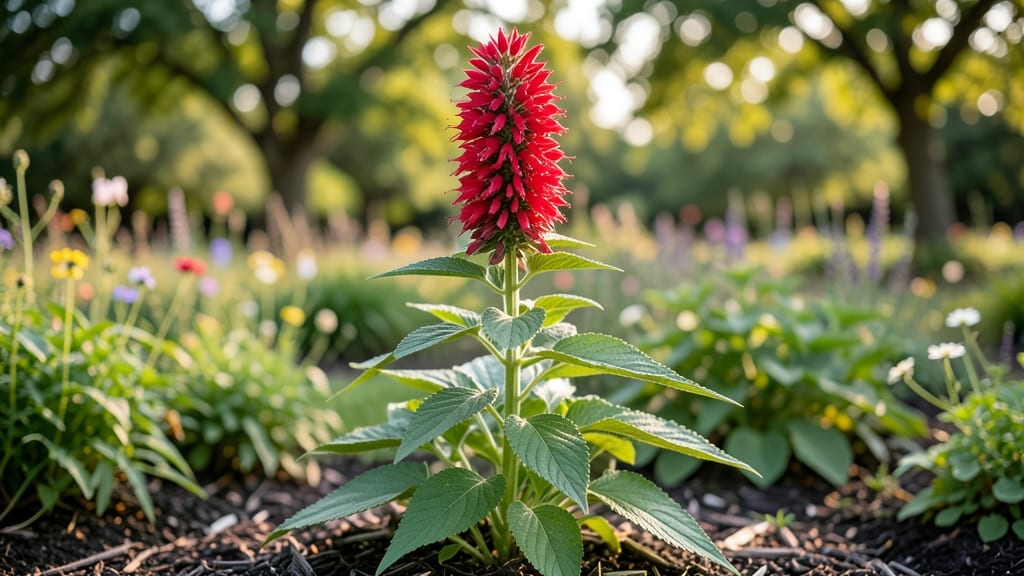
Bee Balm (Monarda) June–September 3–9 2–4 ft Red, pink, purple High nectar, attracts butterflies
Coneflower (Echinacea) June–October 3–9 1–5 ft Purple, pink, white Drought-resistant, long bloom
Columbine (Aquilegia) April–June 3–8 1–3 ft Red, yellow, blue Early spring blooms, hummingbird favorite
Butterfly Weed (Asclepias) June–September 4–9 1–3 ft Orange, yellow Hosts monarchs, nectar-rich
Salvia (Salvia nemorosa) May–August 4–9 2–4 ft Purple, blue, white Drought-tolerant, vertical blooms
Cardinal Flower (Lobelia) July–September 3–9 2–4 ft Scarlet red Brightest red, hummingbird magnet
Black-Eyed Susan (Rudbeckia) July–September 3–9 1–3 ft Yellow, gold Cheerful, long-lasting blooms
Daylily (Hemerocallis) June–August 3–10 1–3 ft Red, orange, yellow Continuous blooms, low-maintenance

How to design a hummingbird-friendly perennial garden layout

Creating a hummingbird-friendly garden starts with smart perennial placement. These tiny pollinators rely on bright colors, easy access to nectar, and continuous blooms—so strategic design is key.

By layering plants by height, arranging seasonal succession, and choosing companion plants, you’ll create a year-round feeding station that hummingbirds can’t resist.

First, focus on color placement—hummingbirds are drawn to reds, oranges, and purples. These colors stand out against green foliage and signal nectar-rich blooms. Place your brightest flowers near seating areas or pathways so you can enjoy the show while they feed.

Pro tip: Avoid white flowers unless they’re heavily scented, as hummingbirds often overlook them.

🌱 Top Perennial Flowers Hummingbirds Love
  • Bee Balm (Monarda) – Red/pink blooms, summer-fall, attracts hummingbirds + bees
  • Coneflower (Echinacea) – Purple/pink, mid-summer to frost, drought-tolerant
  • Columbine (Aquilegia) – Red/yellow, spring-early summer, thrives in shade
  • Salvia (Salvia spp.) – Blue/purple, spring-fall, deer-resistant
  • Penstemon (Beardtongue) – Red/orange, spring-summer, low-maintenance
  • Phlox (Phlox paniculata) – Pink/purple, mid-summer, fragrant blooms
  • Butterfly Weed (Asclepias) – Orange, summer-fall, monarch magnet

Next, create height layers to guide hummingbirds through your garden. Start with tall perennials (like salvia or hollyhock) at the back, then add medium-height flowers (such as bee balm or coneflower) in the middle, and finish with low-growing options (like columbine or phlox) in the front.

This not only looks stunning but also gives hummingbirds clear flight paths and resting spots between feedings.

Seasonal succession planting ensures continuous nectar from spring to frost. Pair early bloomers (like columbine) with mid-season stars (like bee balm) and late-season favorites (like salvia). For example, plant red columbine in spring, followed by purple coneflower in summer, and end with orange butterfly weed in fall.

This keeps hummingbirds fueled and visiting all season long.

Don’t forget companion plants! Some perennials repel pests that might harm your hummingbird favorites. For instance, lavender deters aphids, while marigolds keep mosquitoes away—both of which can stress hummingbirds.

Additionally, native grasses (like little bluestem) provide perching spots and windbreaks for tired fliers. A little extra thought here makes your garden even more inviting.

Finally, avoid overpruning and limit chemical pesticides. Hummingbirds are sensitive to neonicotinoids and other toxins, so opt for organic pest control instead.

A well-designed perennial garden with strategic colors, height layers, and seasonal blooms will turn your yard into a hummingbird hotspot—and you’ll enjoy the daily aerial acrobatics for years to come! 🦋

★★★★★4.5(2 reviews)
Categories Flowers