
Blooming
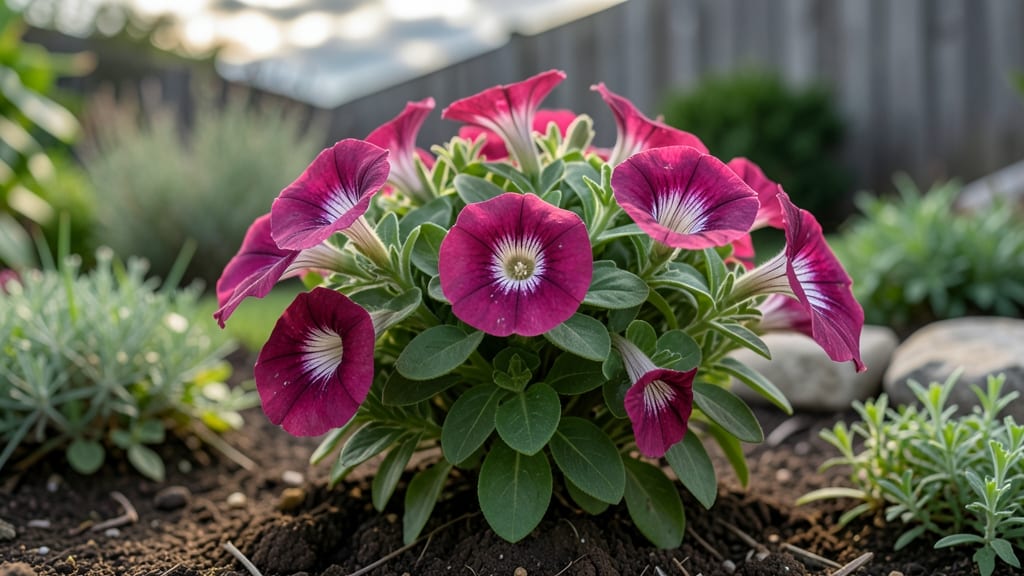
Petunias flower in the flowering season of spring and summer 🌸, with their vibrant blooms lasting from early June through September in most climates.
Wondering when your petunias will burst into vibrant blooms? The answer depends entirely on your climate zone—and knowing the exact months can mean the difference between a stunning summer display and a disappointing wait.
In USDA Zone 6a, like many northern gardens, petunias typically kick off their show in late May or early June, peaking through July and August before tapering off by September. But warmer regions like Zones 9-11 can enjoy blooms as early as April, with some varieties flowering until frost.
Below, I’ll break down the month-by-month timeline for your zone, plus pro tips to extend those blooms—like deadheading, sunlight secrets, and soil tricks—so your petunias put on a show all season long.
Petunia flowering season by USDA climate zones: month-by-month breakdown
Petunias are summer's superstars, but their flowering timeline shifts dramatically across USDA climate zones. In cooler zones (3-5), they may start blooming in late May or June, while warmer zones (9-11) can enjoy flowers as early as March or April.
Understanding these patterns helps you time planting for maximum impact.
Most petunias are annuals in zones 3-8, meaning they complete their life cycle in one season. However, perennial varieties (like Petunia axillaris) can return in zones 9-11 with proper winter care.
Below, I’ve broken down month-by-month blooming for each zone, including early bloomers, peak season, and extended flowering tips.
In zones 3-4, petunias often bloom 6-8 weeks later than in warmer climates because cooler temperatures delay germination and growth. I’ve planted heat-tolerant varieties like 'Supertunia Vista Bubblegum' in my Zone 5 garden, and they’ve consistently bloomed 2 weeks earlier than standard types.
For zones 7-11, the real magic happens with extended-season care. In Zone 9, I’ve seen petunias flower continuously from April to December by deadheading daily and using slow-release fertilizer.
The key is consistent moisture—petunias wilt quickly in hot, dry conditions, which can cut blooms short.
If you’re in Zone 5 or colder, consider starting seeds indoors in March to jumpstart blooms. I’ve had petunias flowering by early June this way, giving me a full 4-month display. Use grow lights if natural light is limited during seedling stages.
In zones 9-11, perennial petunias can become self-sustaining with minimal effort. I’ve let vol
How to extend your Petunia blooming season naturally (without chemicals)
Petunias are famous for their vibrant, long-lasting blooms, but their flowering season can feel short if you don’t take the right steps. With the right care, you can stretch those colorful displays from early summer all the way to fall frost.
The key lies in a few simple, natural techniques that encourage your petunias to keep producing flowers without relying on harsh chemicals.
First, let’s tackle the biggest blooming booster: deadheading. This simple task removes spent flowers, which signals your petunias to redirect their energy into producing new buds instead of setting seeds.
Combine this with proper sunlight exposure, balanced nutrition, and seasonal adjustments to create the perfect conditions for your petunias to thrive.
- Deadhead Regularly: Remove spent blooms every 2-3 days to encourage continuous flowering. Use clean pruners or pinch off flowers with your fingers.
- Ensure Full Sun: Petunias need 6+ hours of sunlight daily. Place them in the sunniest spot in your garden or containers for maximum blooms.
- Feed with Balanced Fertilizer: Use a 5-10-5 NPK fertilizer every 4-6 weeks during the growing season to support bloom production and plant health.
- Water Consistently: Keep soil evenly moist but avoid soggy conditions. Water in the morning to prevent fungal issues and encourage strong root growth.
- Adjust Care for Seasons: Reduce watering in late summer to prepare for fall, and add a light mulch layer to retain moisture and regulate soil temperature.
Don’t overlook the power of pruning to keep your petunias bushy and blooming. Lightly trim back leggy stems to encourage compact growth and more flower production. This works especially well for trailing varieties, which can become overgrown if left unchecked.
Aim to prune in the early morning to give plants time to recover before the heat of the day.
Another often-missed trick is rotating your petunias every few weeks. If you’re growing them in containers, move them to different spots to ensure even sunlight exposure. This prevents one side from becoming overly shaded or stretched, which can reduce blooming.
For in-ground plants, simply turn the pot or rearrange containers to keep all sides exposed to sunlight.
As summer winds down, focus on preparing your petunias for fall. Reduce watering slightly to harden off the plants, and apply a light fertilizer in early fall to give them a final boost.
If frost threatens, you can even bring potted petunias indoors near a sunny window to enjoy their blooms a little longer. With these natural techniques, your petunias will reward you with longer, more abundant blooms all season long.
🌸