
Shrubs
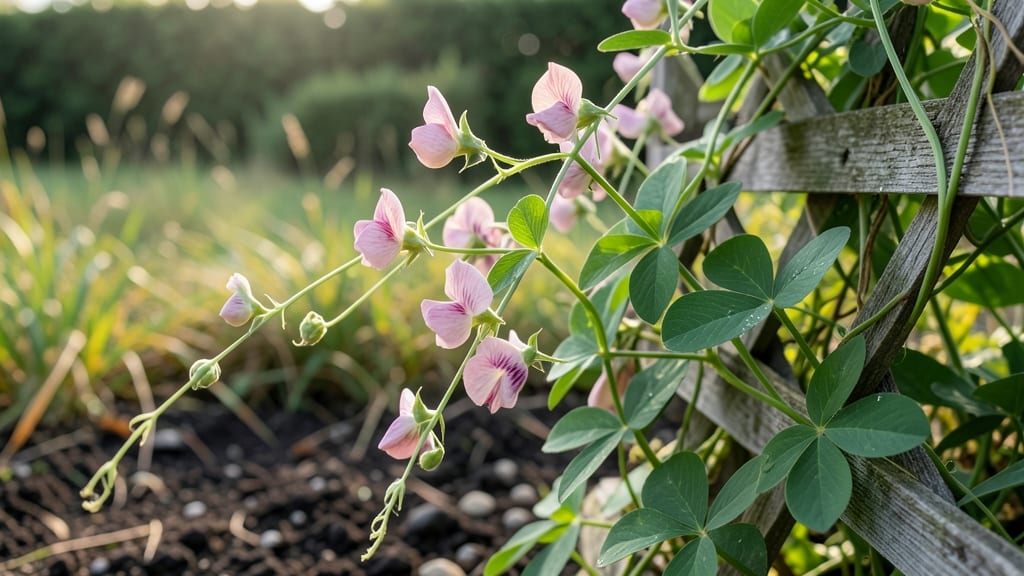
A pink flowering peach tree 🍑 can transform your garden into a fragrant, blossom-filled paradise—but only if you prune it the right way.
Picture this: your tree bursting with pink blooms twice a year, while neighbors struggle with sparse flowers. The secret? Strategic pruning that most gardeners miss. Without it, your tree might look healthy but fail to deliver the floral show you planted for.
Pruning isn’t just about cutting back—it’s about encouraging reblooming, improving airflow, and shaping your tree for long-term health. In this guide, I’ll walk you through the exact timing, tools, and techniques to keep your pink flowering peach blooming year after year—no guesswork involved.
From avoiding common mistakes that kill blooms to choosing the best varieties for reblooming, you’ll learn how to turn your peach tree into a continuous floral masterpiece. Let’s get started!
When and how to prune pink flowering peach trees for maximum blooms
Your pink flowering peach tree thrives on precision pruning to reward you with year-round blooms. Unlike fruit-bearing peaches, these ornamental varieties focus on stunning pink flowers—and the key to their reblooming magic lies in understanding dormant vs. active growth phases.
Prune at the wrong time, and you risk losing next year’s blossoms entirely.
Most gardeners make one of two mistakes: pruning too late in spring (after buds swell) or cutting back during winter dormancy without a plan. The optimal window is late winter (just before buds swell) or early spring (right after blooms fade). This schedule balances flower stimulation and tree health.
Before you grab your shears, gather these essential tools for clean cuts: bypass pruners (for branches ½ inch thick), loppers (for 1-3 inch branches), a sharp saw (for thick limbs), and rubbing alcohol (to sterilize tools between cuts).
A pruning sealant isn’t necessary for flowering peaches, but keep it handy for larger wounds.
Now, let’s dive into the step-by-step pruning process that’ll transform your tree into a nonstop bloom machine. Follow these exact steps to avoid common pitfalls and maximize those pink floral displays.
Step-by-Step Pruning for Pink Flowering Peach Trees
-
Step 1: Prune in Late Winter (Dormant Season)
Cut back dead or diseased branches first. These are gray/brown, brittle, or lacking buds. Remove up to 25% of the canopy to improve airflow and light penetration.
-
Step 2: Thin Out Crowded Branches
Look for crossing branches or those growing inward. Cut these at the base to prevent future rubbing and disease. Aim for an open vase shape to encourage sunlight to reach inner blooms.
-
Step 3: Shorten Last Year’s Growth
Trim 1/3 of last year’s growth on outward-facing branches. This encourages new floral buds to form on short spurs along the branch. Avoid cutting back to old wood unless necessary.
-
Step 4: Post-Bloom Light Pruning (Early Summer)
After flowers fade, remove spent blossoms and any weak or leggy growth. This redirects energy to fall reblooming. Limit cuts to 10% of the canopy to avoid stressing the tree.
-
Step 5: Final Light Pruning (Fall)
In late fall, remove any suckers (shoots from the base) and water sprouts (vertical shoots). This keeps the tree’s energy focused on next year’s blooms rather than unwanted growth.
🌸 Pro Tip: Always cut at a 45-degree angle just above a bud or branch collar to promote faster healing.
Timing is everything when pruning pink flowering peach trees. If you prune too early in winter, you risk freeze damage to fresh cuts. Wait until late winter (just before bud break) for the safest results.
Conversely, pruning too late in spring (after buds swell) removes next year’s flowering potential.
Focus on structural balance while pruning. Remove branches that compete with the tree’s central leader or grow downward. Aim for a rounded canopy that allows sunlight to reach all branches. This not only boosts flower production but also reduces the risk of pests and diseases by improving airflow.
After pruning, mulch around the base of your tree with 2-3 inches of organic mulch (like wood chips or straw). This helps retain moisture, regulates soil temperature, and prevents weed competition. Keep the mulch 2-3 inches away from the trunk to avoid rot.
Monitor your tree’s reblooming progress throughout the year. If you notice fewer flowers in subsequent seasons, you may need to adjust your pruning intensity or fertilize lightly in early spring with a balanced 10-10-10 formula. Over-fertilizing can lead to excessive leafy growth at the expense of blooms.
With these precision pruning techniques, your pink flowering peach tree will reward you with vibrant blooms from spring through fall. The secret? Patience and consistency. Avoid the temptation to over-prune—small, strategic cuts yield the best results over time.
🌿
Common pruning mistakes that kill pink flowering peach blooms (and how to fix them)
Your pink flowering peach tree's stunning blooms might be disappearing because of pruning blunders you're making without realizing it. These trees are sensitive to incorrect cuts and poor timing, which can stunt their ability to rebloom. The good news? Most mistakes are easily fixable with the right knowledge.
I've seen gardeners accidentally turn lush, blooming peach trees into bare branches by making these 5 critical errors. Each mistake disrupts the tree's natural growth cycle, reducing both fruit production and floral displays. Let's identify them—and how to reverse the damage.
⚠️ Warning: These Pruning Errors Are Killing Your Pink Peach Blooms
Mistake #1: Over-Pruning – Cutting more than 25% of branches in one session shocks the tree, forcing it to focus on regrowth instead of blooming. Fix: Never remove more than 15-20% of branches at a time.
Mistake #2: Wrong Timing – Pruning during active bloom or late summer removes next year's flower buds. Fix: Prune only in late winter/early spring (before buds swell).
One of the most common errors is pruning at the wrong time—especially during the tree's active bloom phase. When you cut branches while flowers are open, you're essentially removing next year's potential blooms, as peach trees set flower buds on last year's growth.
I've had readers send me photos of their trees with bare branches after aggressive summer pruning, only to realize they'd accidentally removed their future floral display.
Another frequent mistake is improper cut angles. Many gardeners make flush cuts or leave stubs, which creates entry points for disease and pests. The correct technique is to cut just outside the branch collar at a 45-degree angle, ensuring the cut heals properly.
I always demonstrate this in my pruning workshops because it's the difference between a healthy tree and one struggling to recover.
Let's address the third critical error: pruning water sprouts incorrectly. These fast-growing vertical shoots may look like they're stealing energy, but removing them entirely can disrupt the tree's balance. Instead, shorten them by 1/3 to redirect energy to fruit production and flowering.
I've seen gardeners accidentally prune these sprouts too aggressively, only to watch their peach tree's bloom count drop by half the following season.
Finally, neglecting deadwood removal can lead to a buildup of disease and pests that weaken the tree. Always scan your tree for dying branches (they're brittle and dark inside) and remove them completely down to the branch collar.
This might seem harsh, but it's essential for maintaining your tree's health—and its ability to produce those gorgeous pink blooms year after year.
By avoiding these 5 common pruning mistakes, your pink flowering peach will reward you with vibrant blooms and abundant fruit. Start with just one correction this season, and you'll notice the difference in next year's floral display. Happy pruning! 🌸✂️