
Flowers
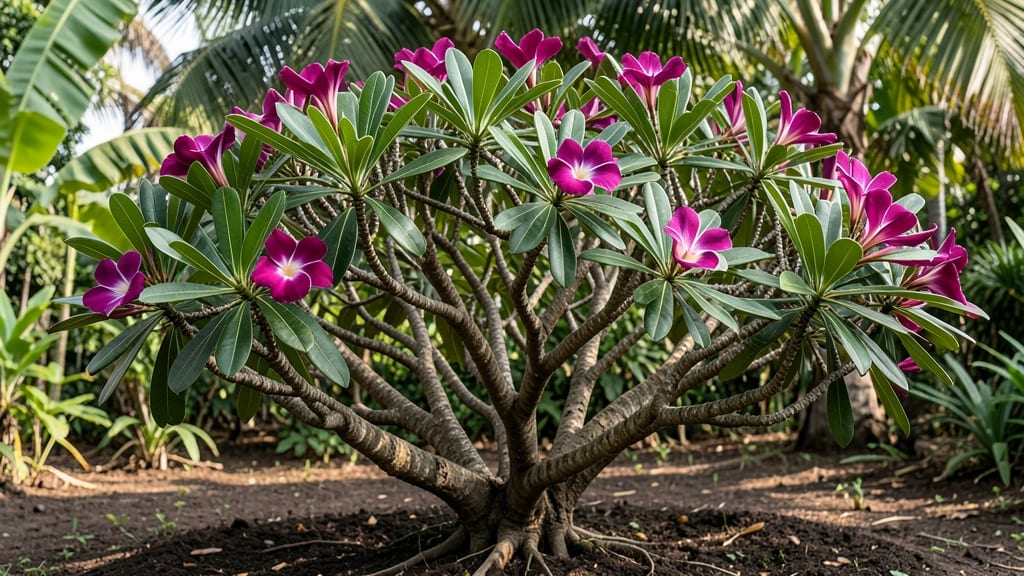
Growing a purple plumeria flower 🌸 is like unlocking a tropical treasure—those rich, velvety blooms are rarer and more stunning than you’d expect.
If you’ve ever dreamed of growing tropical purple plumeria flowers but struggled to find reliable varieties or propagation methods, this guide unlocks the secrets to cultivating these stunning, rare blooms—even as a beginner.
In General (Tropical/Subtropical Regions), where Plumeria thrives year-round in zones 10-12, the key to vibrant purple blooms lies in the right soil, light, and care routine. I’ll walk you through everything from choosing the perfect variety to keeping your plant blooming nonstop.
Ready to transform your garden—or balcony—into a purple paradise? Let’s dive into the easiest ways to grow, propagate, and maintain these showstopping flowers.
Rare purple plumeria varieties: identification and growing conditions
If you're captivated by the dramatic purple plumeria flowers, you're not alone—these rare varieties are some of the most sought-after tropical blooms for collectors and gardeners alike.
Unlike the more common white or pink plumeria, purple plumeria cultivars like Plumeria rubra 'Royal Mauve' and Plumeria obtusa 'Purple Majesty' offer a striking, velvety hue that transforms any garden into a tropical paradise.
But growing them successfully requires understanding their unique needs, from ideal sunlight exposure to soil pH preferences.
The key to thriving purple plumeria varieties lies in replicating their native tropical environment. These plants thrive in USDA zones 10-12, where temperatures stay consistently warm and humidity levels remain high.
However, with the right care—like using well-draining cactus/succulent mix and providing bright, indirect light indoors—you can cultivate them even in cooler climates. Let’s explore the most coveted purple plumeria types and the exact conditions they need to flourish.
One of the most popular purple plumeria varieties is Plumeria rubra 'Royal Mauve,' known for its deep violet-purple blooms that release a sweet fragrance in the afternoon. This cultivar reaches 10-15 feet tall and thrives in full sun with a soil pH of 6.0-7.0.
To encourage vibrant blooms, I fertilize mine with a 7-9-5 NPK ratio every 6 weeks during the growing season, avoiding high-nitrogen feeds that promote foliage over flowers.
For those with limited outdoor space, Plumeria obtusa 'Purple Majesty' is an excellent choice. This variety produces lavender-purple flowers and is more adaptable to partial shade, making it ideal for container gardening.
Its disease-resistant nature also means fewer pesticides, which is a win for organic gardeners. Just ensure your pots have drainage holes to prevent root rot—a common issue with plumeria.
If you're aiming for a compact purple plumeria, Plumeria alba 'Lavender Dream' is perfect for small gardens or patios. This variety stays between 8-12 feet tall and loves a slightly alkaline soil pH (6.5-7.5).
I’ve found that pruning it lightly after flowering encourages a bushier habit and more abundant blooms the following season. Always use sterilized pruning shears to prevent bacterial infections.
Temperature plays a crucial role in purple plumeria care. While these plants love heat, they can handle brief dips below 50°F (10°C) if protected. In cooler climates, I bring my potted plumeria indoors near a south-facing window during winter, where they enter a dormant phase.
Resume watering and fertilizing in spring once temperatures rise above 60°F (15°C) to signal new growth.
When it comes to <
Step-by-Step purple plumeria propagation: from cuttings to blooming
Growing purple plumeria flowers from cuttings is one of the most rewarding ways to expand your collection. Unlike seeds, which can take years to bloom, cuttings produce genetically identical plants that flower within 12-18 months.
The key lies in selecting the right time and method—whether you're rooting semi-hardwood cuttings or using air layering for faster results. Purple varieties like Plumeria rubra 'Royal Mauve' respond best to humid, warm conditions and proper wound healing techniques.
Before you begin, gather your supplies: a sharp pruning shears, rooting hormone (optional but helpful), a well-draining cactus/succulent mix, and a humidity dome or plastic bag.
The best time to take cuttings is in late spring or early summer, when the plant is actively growing but hasn’t yet entered peak flowering. Avoid cutting during extreme heat or cold snaps, as stress reduces rooting success.
- 🌱 Step 1: Select Healthy Cuttings
Choose 4-6 inch stems with 3-4 leaf nodes. Use mature wood (not current season's growth) for best results. Make cuts at a 45-degree angle just below a node using sterilized shears. - 💧 Step 2: Prepare the Cuttings
Remove lower leaves (leave 1-2 at the top). Dip the cut end in rooting hormone (optional) to boost root growth. Let the cut dry for 1-2 hours to form a callous—this prevents rot. - 🪴 Step 3: Plant in Well-Draining Soil
Fill a pot with a mix of 50% cactus mix and 50% perlite. Insert the cutting 1-2 inches deep, ensuring the node is buried. Water lightly until soil is moist but not soggy. - ☀️ Step 4: Create a Humid Environment
Cover the pot with a plastic bag or humidity dome. Place in bright, indirect light (avoid direct sun for the first 2 weeks). Maintain 70-80% humidity by misting daily or using a pebble tray. - ✂️ Step 5: Monitor and Transplant
After 4-6 weeks, check for roots by gently tugging the cutting. If resistance is felt, roots have formed! Transplant to a 6-inch pot with regular potting mix. Gradually acclimate to full sun over 2 weeks.
Troubleshooting is part of the process—rot and slow growth are common issues. If your cuttings develop mushy stems or yellow leaves, it’s a sign of overwatering. Reduce moisture and improve airflow immediately.
For slow rooting, increase humidity or move to a warmer spot (ideal temperature is 75-85°F). Purple plumeria cuttings are finicky but worth the patience—they reward you with vibrant blooms in just over a year.
For faster results, try air layering on mature plants. Wrap a moist sphagnum moss pad around a stem, secure it with plastic wrap, and wait 4-6 weeks for roots to form before cutting below the rooted section.
This method skips the soil stage and reduces transplant shock, making it ideal for purple varieties that struggle with slow adaptation.
Once rooted, your purple plumeria will need full sun and minimal watering to thrive. Fertilize lightly with a balanced bloom booster (7-9-5 NPK) every 6-8 weeks during the growing season. With proper care, your cuttings will mature into stunning, fragrant shrubs that bloom year-round in tropical climates.
🌷