
Flowers
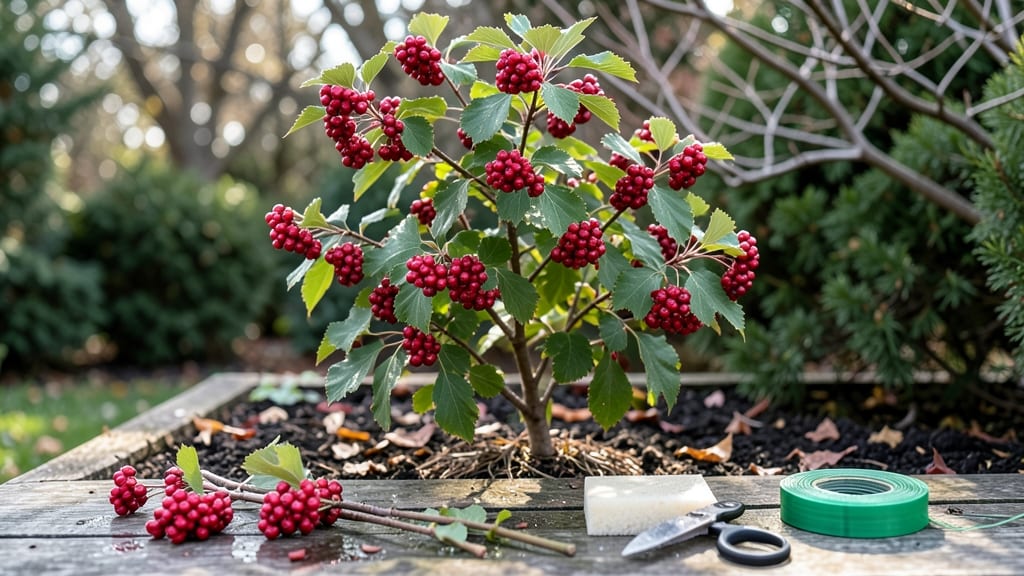
Using red berries used in flower arrangements instantly adds bold color contrast and unexpected texture that makes any bouquet stand out.
Picture this: a classic white peony arrangement suddenly pops with deep red berries like holly or pyracantha, creating a striking visual contrast that feels both elegant and fresh. These vibrant accents don't just add color—they transform simple designs into showstopping centerpieces.
Whether you're crafting a wedding bouquet, seasonal centerpieces, or everyday home decor, red berries bring a dramatic flair that's hard to resist. The best part? Many varieties like cotoneaster or juniper 'Blue Rug' are low-maintenance and available throughout the growing season.
In this guide, I'll walk you through selecting the perfect berries, pairing them with complementary flowers, and preserving their freshness for maximum impact in your arrangements.
Best red berries for flower arrangements and their seasonal availability
Red berries are nature's perfect accent for floral arrangements, adding bold color and striking contrast that makes any bouquet stand out. Holly, cotoneaster, and pyracantha are my top picks for their vibrant hues and long-lasting appeal.
These berries aren't just pretty—they create focal points that draw the eye and add depth to your designs.
What makes these berries especially valuable is their seasonal availability, which allows you to create arrangements year-round with minimal effort. Early winter through spring, holly and pyracantha provide fresh, deep red berries, while late summer and fall bring cotoneaster and juniper 'Blue Rug' into peak season.
Understanding their timing helps you plan arrangements that stay fresh and visually stunning.
The key to using red berries effectively lies in their pairing potential. They work beautifully with white flowers like roses or hydrangeas, creating dramatic contrast, or complement evergreen foliage for a natural woodland look.
Even monochromatic arrangements benefit from their rich color—imagine deep red berries against burgundy dahlias or crimson roses.
| Berry Type | Seasonal Availability | Best Pairings | Care Tips |
|---|---|---|---|
| Holly (Ilex spp.) | Winter to early spring | White roses, eucalyptus, pinecones | Prune after flowering; avoid overwatering |
| Cotoneaster (Cotoneaster spp.) | Late summer to fall | Gold foliage, white chrysanthemums, ferns | Full sun to partial shade; drought-tolerant |
| Pyracantha (Pyracantha spp.) | Fall to winter | Silver foliage, burgundy flowers, dried grasses | Well-draining soil; prune in late winter |
| Juniper 'Blue Rug' (Juniperus horizontalis) | Year-round (evergreen) | Red flowers, white anemones, dried lavender | Full sun; minimal water once established |
Holly is my go-to for winter arrangements because its glossy red berries stay vibrant even after cutting. They pair perfectly with white roses or eucalyptus branches for a classic holiday look. To keep them fresh, harvest branches just before use and store them in water overnight. Their spiky leaves also add textural interest that elevates any design.
For late summer and fall, cotoneaster berries shine with their clustered red oranges. These berries work wonderfully with golden foliage or white chrysanthemums to create a warm, inviting palette.
Unlike holly, cotoneaster berries are bird-resistant, making them easier to harvest in bulk. Plant them in well-draining soil and they’ll thrive with minimal care.
Pyracantha is another winter favorite, offering bright orange-red berries that last through the cold months. Their thorny branches make them ideal for dried arrangements or as standalone statement pieces. Pair them with silver foliage or dried grasses for a modern, textured look. Prune in late winter to encourage new growth and more berries next season.
If you want year-round availability, juniper 'Blue Rug' is a game-changer. While its berries aren’t red, its blue-green foliage creates a stunning contrast with red flowers or burgundy tones. This evergreen is drought-tolerant and thrives in full sun, making it a low-maintenance addition to any garden or arrangement.
To maximize the impact of red berries in your arrangements, harvest at peak ripeness. For holly and pyracantha, this means waiting until the berries are deep red and slightly soft.
Cotoneaster berries should be fully colored but still firm. Once harvested, store them in a cool, dark place with a damp cloth to extend their freshness for up to a week.
When styling, mix berries with complementary flowers to create balance. For example, white flowers make red berries pop, while golden foliage adds warmth. Don’t be afraid to use berries as the sole focal point in minimalist arrangements—their bold color will draw attention instantly.
Experiment with odd-numbered clusters for a natural, organic feel.
For long-lasting arrangements, consider preserving berries by drying or freezing them. Dried holly berries keep their color and can be used in winter wreaths or table centerpieces. Freezing cotoneaster berries in water allows you to use them fresh anytime. These techniques ensure you
How to style red berries for maximum visual impact in arrangements
Red berries like holly, pyracantha, and cotoneaster bring bold color and texture to floral arrangements. Their rich hue creates stunning contrasts that make any bouquet stand out. I love using them as focal points or layered accents to draw the eye and add depth.
When styling red berries, think about their size and shape. Clustered berries like pyracantha create lush, cascading effects, while spiky holly berries add sharp contrast. Mixing these textures keeps arrangements dynamic and visually engaging.
Place pyracantha clusters at the center of arrangements to create drama. Their vibrant red draws attention instantly.
Combine red berries with white roses or gardenia for a classic, elegant look that pops against dark backgrounds.
Mix red berries with eucalyptus or fern fronds to soften their intensity and add freshness to arrangements.
For a monochromatic look, use red berries with deep burgundy flowers. For contrast, pair them with yellow or orange blooms like marigolds.
A few holly berries can elevate a sparse arrangement with single-stem flowers like peonies or dahlias.
For winter arrangements, red berries shine brightest. Pair them with evergreen branches like pine or cedar to create a festive, holiday-inspired look. Their deep red color contrasts beautifully against the green, making them perfect for Christmas bouquets or table centerpieces.
If you're working with summer arrangements, try combining red berries with bright seasonal flowers like zinnias or sunflowers. Their vibrant hues create a lively, energetic feel that’s perfect for outdoor events or garden parties.
Don’t forget to consider the shape of your container. Tall, narrow vases highlight the vertical growth of berry clusters, while shallow bowls let them spill over naturally. Experiment with different vessels to see what works best for your design.
Red berries are versatile enough to work in almost any arrangement, but their rich color demands balance. Use them thoughtfully—whether as a statement piece or a subtle accent—to create arrangements that feel both natural and stunning. 🌿🎨