
Watering
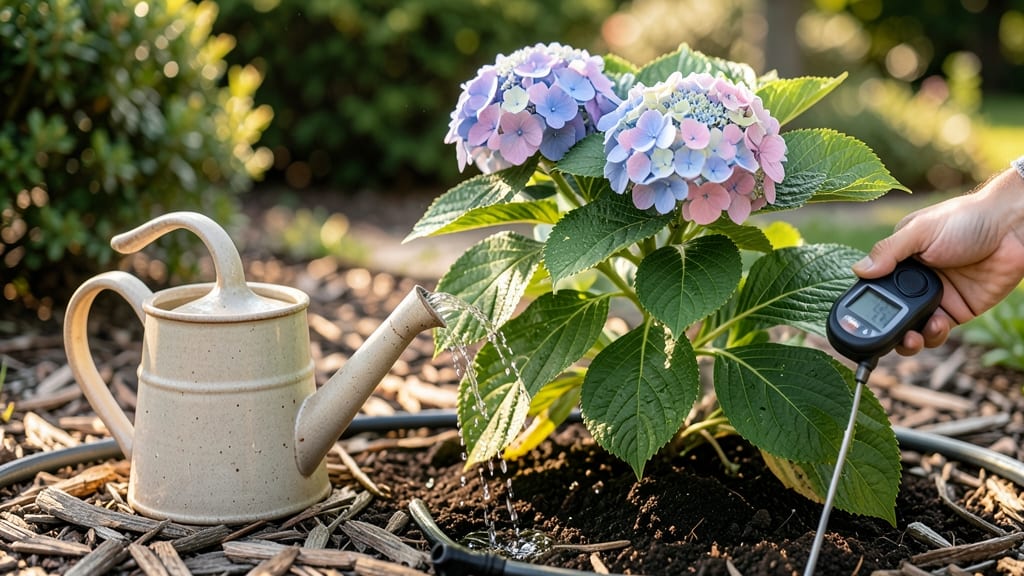
Watering flowers every day can actually harm them—unless you're dealing with tropical varieties or extreme heat, most blooms need less frequent water to thrive.
Overwatering or underwatering your flowers can silently kill them—yet most gardeners guess their watering schedule instead of following science-backed rules. Discover the exact frequency your plants really need to thrive.
Think about it: soggy soil chokes roots, while dry soil stresses plants, and both lead to weak growth or even death. The key is balancing moisture with your local climate, soil type, and the specific needs of your flowers.
In this guide, I’ll break down the ideal watering schedule by season, plant type, and soil conditions—so you can keep your garden healthy without wasting water or risking root rot.
How often should you water flowers based on plant type and climate?
Watering flowers isn't a one-size-fits-all task—some annuals like petunias need daily hydration in summer, while desert-adapted succulents can survive on monthly watering. The key lies in understanding your plants' natural habitats and adjusting for your local climate conditions.
For example, tropical hibiscus thrive with daily watering in humid climates, while lavender in dry regions prefers weekly deep soaks.
Your soil type also plays a critical role: sandy soil drains quickly, requiring more frequent watering, while clay holds moisture longer. Even the time of day matters—watering in the morning reduces evaporation and fungal risks.
Let's break down the science-backed schedules for your garden's star players, so you can stop guessing and start growing.
🌱 Visual Guide: Below is a comparison of watering needs by plant family, including adjustments for hot/dry vs. cool/wet climates. Use this as your starting point, then fine-tune based on your local weather patterns.
For annual flowers, the rule of thumb is to water when the top 1-2 inches of soil feels dry.
Stick your finger in the soil—if it's dry at that depth, it's time to water. Perennials, on the other hand, often develop deeper roots and can handle slightly longer intervals between waterings, especially once established. The key is to water deeply each time to encourage roots to grow downward.
In hot, dry climates, increase your watering frequency by 20-30% and always water in the early morning to reduce evaporation. Mulching with 2-3 inches of organic material (like straw or wood chips) can retain moisture and cut water needs by up to 50%.
In cool, wet climates, reduce frequency and watch for signs of overwatering, such as yellowing leaves or moldy soil.
If you're growing flowers in containers, they dry out much faster than in-ground plants. Potted annuals may need daily watering in summer, while perennials in containers can require watering every 2-3 days.
Always check the weight of the pot—if it feels light, it's time to water. For container gardening, use pots with drainage holes and choose a well-draining potting mix to prevent root rot.
Seasonal changes also demand adjustments. In spring and fall, when temperatures are moderate, most flowers thrive on every 3-5 days of watering. But during summer heatwaves, even drought-tolerant plants like lavender may need daily watering for the first few weeks until they establish deeper roots.
Conversely, in winter, reduce watering to every 2-3 weeks unless you're in a frost-free zone.
Pay attention to your plants'
5 Signs you're watering flowers wrong (and how to fix it)
Your petunias may look droopy, but is it thirst or too much love? Many gardeners accidentally drown their flowers by following a one-size-fits-all watering routine. The truth? Overwatering kills more plants than underwatering—yet both problems show up in sneaky ways.
Let’s decode the 5 red flags your flowers are screaming for help (and how to fix them fast).
First, check your soil moisture before blaming your watering habits. Stick your finger 1-2 inches deep—if it feels damp, you’re likely overdoing it. Flowers like geraniums or marigolds need just 1 inch of water per week, while thirsty tropicals (think hibiscus) may demand twice that.
The key? Consistency over guesswork—your plants’ roots crave stability, not surprises.
💧 Should You Water Flowers Every Day?
NO—unless it’s triple-digit heat (90°F+) with full sun exposure. Most flowers hate soggy roots and will rot in 3-5 days of daily watering. Rule of thumb: Water when the top 1-2 inches of soil feel dry to the touch. Adjust for:
- 🌱 Potted flowers: Every 2-3 days (soil dries faster)
- 🌿 In-ground flowers: Every 5-7 days (soil retains moisture longer)
- ☀️ Hot/dry climates: Morning watering only (prevents evaporation)
- 🌧️ Rainy seasons: Skip watering entirely
⚠️ Exception: Seedlings or newly transplanted flowers need daily watering for 7-10 days to establish roots.
Watch for yellowing leaves that start at the bottom—this is your plant’s SOS for overwatering. Too much moisture cuts off oxygen to roots, causing root rot, a silent killer.
If you also spot mushy stems or white mold on soil, act fast: Stop watering for 3 days, then repot in dry, well-draining soil. Add perlite or sand to improve aeration.
On the flip side, crispy brown edges on leaves? That’s underwatering stress. Flowers like lavender or roses wilt dramatically when thirsty—drop their heads and feel leathery to the touch. The fix?
Water deeply once (not light sprinkles) and mulch around the base to lock in moisture. For container gardens, switch to self-watering pots or group plants together to create a microclimate.
Ever noticed pale, limp stems that snap easily? This could mean fungal infection from nighttime watering. Fungi thrive in damp, cool evenings—always water between 6 AM and 10 AM to let foliage dry before dark.
Pro tip: Use a soaker hose or drip irrigation to deliver water directly to roots, keeping leaves dry and disease-free.
Your flowers’ health hinges on balance. Start with the finger test, adjust for your climate and soil, and always water deeply but infrequently. When in doubt, underwater slightly—most flowers bounce back faster from thirst than from rot.
Now grab that hose and give your plants the right kind of love!