
Plants
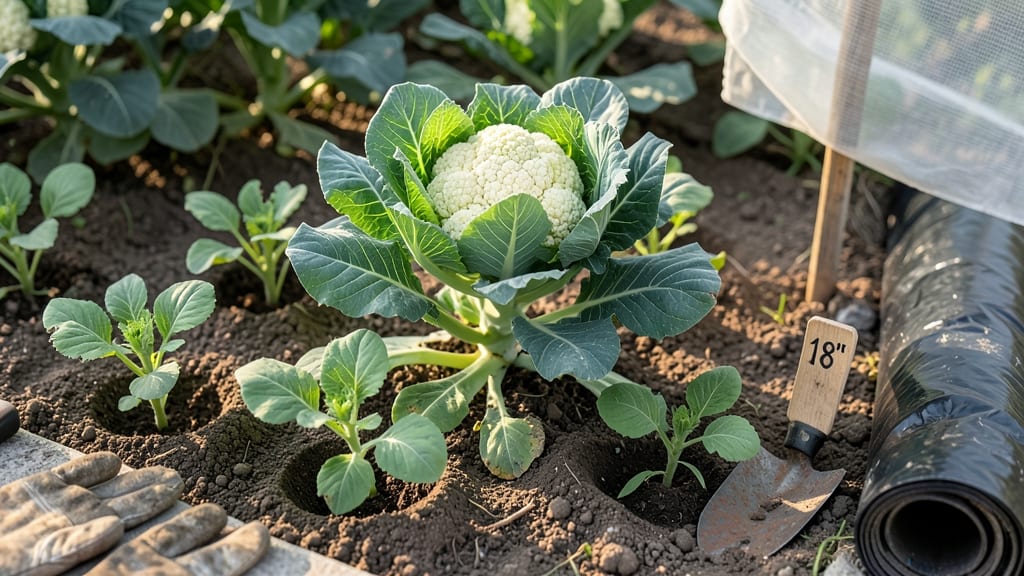
Spacing cauliflower plants correctly is the first step to growing those tight, snow-white heads you’ve always dreamed of—because cramming them too close means smaller yields, more pests, and a whole lot of frustration.
I’ve seen gardeners pack their cauliflower 🥬 in like sardines, only to watch their plants bolt or drown in their own shade. The right distance—whether you’re planting seeds or transplants—makes all the difference between a bountiful harvest and a sad, stunted mess.
Here’s the deal: spacing isn’t just about giving your plants elbow room. It’s about airflow, disease prevention, and even how much sunlight each plant gets. In Zone 6a, where spring can be unpredictable, getting this right means fewer pests, healthier roots, and heads that stay firm until harvest.
Below, I’ll break down the exact distances for different varieties, how to adjust for your soil type, and the five spacing mistakes that ruin even the best-laid plans. Let’s get those plants the space they deserve!
Ideal cauliflower plant spacing by variety & growth type
Proper cauliflower plant spacing isn't just about fitting more plants into your garden—it's about maximizing head size, airflow, and disease prevention. Different varieties have unique spacing needs, and crowding can lead to stunted growth or fungal infections.
Whether you're growing heading cauliflower or broccoli-like varieties, the right spacing ensures robust plants and fewer pests.
Cauliflower plants fall into two main categories: heading types (like 'Snowball Y Improved') and broccoli-like types (like 'Calabrese').
Heading varieties need more room to develop large, compact curds, while broccoli-like types can tolerate slightly tighter spacing. Row spacing also varies—tighter rows work for dwarf varieties, while standard types need wider rows for airflow.
Container gardens require even more precision since space is limited. In pots, you'll need to reduce plant density significantly compared to in-ground planting. The key is balancing root spread and leaf canopy to prevent competition.
Let's break down the exact spacing guidelines for each scenario so you can plan your garden like a pro.
Here’s how to space cauliflower plants based on their growth habits and your garden setup:
For in-ground planting, heading varieties like 'Snowball Y Improved' need the most space—18-24 inches apart in rows that are 2-3 feet apart. This spacing prevents crowding and ensures each plant gets enough sunlight and nutrients to form a large, tight head.
Broccoli-like varieties can handle slightly tighter spacing (12-18 inches apart) since their heads are smaller and less prone to splitting.
If you're growing cauliflower in containers, opt for dwarf varieties like 'Purple of Sicily' or 'Romanesco'. These thrive in 5-gallon pots with one plant per container or up to two plants if you choose a compact variety.
The key is ensuring the pot is deep enough (at least 12 inches deep) to accommodate the root system and provide stability for the heavy head.
Adjust your row spacing based on your garden layout. In raised beds, you can reduce row spacing to 1.5 feet for broccoli-like types, but always leave enough room for airflow. Poor airflow increases the risk of fungal diseases like downy mildew, which can ruin your harvest.
If your garden has high humidity, consider spacing plants even wider to improve circulation.
When transplanting seedlings, dig holes slightly larger than the root ball and space them according to the guidelines above. Avoid packing soil too tightly around the roots—this can restrict growth. After planting, water deeply to help the soil settle and eliminate air pockets.
Mulch around the base with straw or shredded leaves to retain moisture and suppress weeds, which compete for nutrients.
One common mistake is assuming all cauliflower varieties have the same spacing needs. For example, 'Snowball Y Improved' needs 24 inches of space, while 'Purple of Sicily' can thrive in 12 inches.
Mixing varieties in the same row without adjusting spacing can lead to uneven growth and smaller heads. Always check the seed packet or plant tag for specific recommendations.
For succession planting, stagger your spacing to create a continuous harvest. Plant a new row every 2-3 weeks in early spring, spacing each row according to the variety.
This ensures you’re always harvesting fresh heads while maximizing your garden’s potential. With the right spacing, you’ll enjoy bushy, pest-free cauliflower all season long.
How to adjust spacing for dense soil, high humidity, OR pest-prone areas
When your cauliflower plants face compacted soil or high humidity, standard spacing rules won’t cut it. These conditions demand extra room to prevent disease and pest infestations like cabbage worms and aphids. The key? Wider gaps for airflow and strategic companion planting to deter pests naturally.
In dense soil, roots struggle to expand, leading to stunted growth. Adding organic matter like compost and increasing spacing by 20-30% gives roots room to breathe. For example, if standard spacing is 18 inches apart, stretch it to 22-24 inches in heavy clay soil.
High humidity creates the perfect storm for fungal diseases like downy mildew. To combat this, space plants 24-36 inches apart (depending on variety) and avoid overhead watering. Mulch with straw or wood chips to keep foliage dry and improve soil drainage.
Cauliflower in high humidity with poor spacing? You’re inviting fungal infections. Cabbage worms and aphids thrive in crowded, damp conditions. Increase spacing to 36 inches and interplant with dill or thyme to repel pests naturally.
For pest-prone areas, companion planting is your best defense. Pair cauliflower with onions, garlic, or marigolds to deter pests. These plants release natural repellents that confuse insects while improving soil health. Space companion plants 12-18 inches away from cauliflower to avoid competition.
If pests like aphids strike, isolate affected plants immediately and introduce beneficial insects like ladybugs. Prune lower leaves to improve airflow and reduce hiding spots. In severe cases, use neem oil as a last resort—always apply in the early morning to avoid harming pollinators.
Adjust row spacing too: In humid climates, space rows 30-36 inches apart instead of the usual 24 inches. This allows for better airflow and easier access to monitor plants for early signs of pests or disease.
A well-spaced garden isn’t just about aesthetics—it’s about plant health and harvest success.
Pro tip: Use a spacing grid or string lines to mark planting spots. This ensures consistency and makes it easier to spot gaps where pests might hide. With the right adjustments, your cauliflower will thrive even in challenging conditions! 🥬