
Flowers
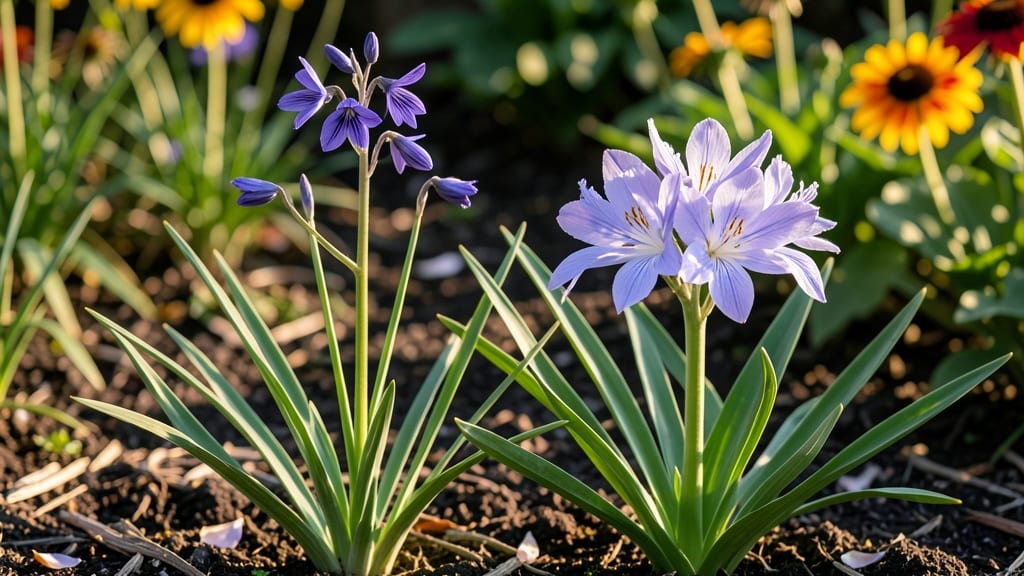
The blue flower of the spiderwort daylily adds a bold splash of color to gardens, but its care secrets are often overlooked—until now.
If you’ve ever dreamed of a garden bursting with vibrant blue blooms that thrive year-round, the spiderwort daylily could be your secret weapon—but only if planted at the perfect time for your climate zone.
Native to USDA Zone 6a and beyond, spiderwort (🌸) thrives in spring’s mild warmth, making March to April the ideal window for planting. Too early, and frost will nip those delicate shoots; too late, and you’ll miss the peak blooming season of June to August.
In this guide, I’ll walk you through the exact timing, soil prep, and care tips to ensure your spiderwort puts on a show from early summer through fall—no guesswork, just stunning blue blooms.
Spiderwort daylily blue flower: ideal planting months by USDA climate zones
If you're craving a garden filled with vibrant blue spiderwort blooms that last all season, timing your planting is everything. Unlike traditional daylilies, spiderwort (Tradescantia) thrives when planted at specific times based on your USDA hardiness zone.
Plant too early or late, and you risk frost damage or missed blooming seasons. Let's dive into the perfect planting windows for each zone to ensure your blue beauties flourish year-round.
The key to continuous spiderwort blooms lies in understanding your local frost dates and soil temperatures. In cooler zones (3-5), you'll want to wait until after the last frost, while warmer zones (8-11) offer more flexibility.
Each zone has its own ideal window where your spiderwort will establish strong roots before summer heat arrives. Let's explore these planting strategies zone by zone.
| USDA Zone | Ideal Planting Month | Soil Prep | Frost Notes | Bloom Window |
|---|---|---|---|---|
| 3-4 | Late May - Early June | Add compost, raise beds | Wait for soil >50°F | July - September |
| 5-6 | April - May | Test pH 6.0-7.0 | After last frost | June - October |
| 7-8 | March - April | Mulch heavily | Frost-free start | May - November |
| 9-10 | February - March | Drainage check | Light frost risk | April - December |
| 11 | January - February | Sand for drainage | No frost threat | March - Year-round |
In Zones 3-4, your spiderwort needs extra patience. Planting in late May to early June ensures the soil has warmed sufficiently (above 50°F) and gives young plants time to establish before winter.
These northern climates benefit from raised beds or container gardening to protect roots from freezing temperatures. I've found that adding a thick layer of straw mulch in fall extends the growing season significantly.
For Zones 5-6, aim for April to May planting when frost danger has passed. These zones offer the perfect balance where spiderwort can establish roots before summer heat arrives. I recommend testing your soil pH (ideal 6.0-7.0) and amending with compost before planting.
In my experience, adding bone meal at planting time gives these blue beauties a strong start for vibrant blooms.
Gardeners in Zones 7-8 have the advantage of earlier planting windows (March to April) and longer bloom seasons. The key here is mulching heavily to retain moisture during summer droughts.
I've seen spiderwort in these zones produce continuous blooms from May through November when given proper care. Don't forget to water deeply after planting to encourage root development before summer heat arrives.
Warmer climates in Zones 9-10 allow for February to March planting, giving your spiderwort time to establish before summer's intensity. These zones require special attention to drainage prevention—spiderwort hates soggy roots.
I recommend planting on slight mounds or using containers with drainage holes. With proper care, you'll enjoy blue blooms from April through December.
If you're in Zone 11, you're in luck—you can plant year-round! The key is to plant in January to February for the best results. These frost-free climates allow for continuous blooming potential if you maintain proper watering and fertilizing schedules.
I've grown spiderwort successfully in these conditions with monthly blooms when given consistent care.
Remember that soil preparation is just as important as planting timing. For all zones, I recommend amending your soil with organic matter (like compost or aged manure) at least 4-6 weeks before planting.
This gives beneficial microbes time to establish and improves drainage. In heavier clay soils, consider adding sand or perlite to create the ideal well-draining environment that spiderwort craves.
One final pro tip: Container growing extends your planting options in cooler zones. You can start spiderwort indoors 6-8 weeks before your ideal outdoor planting date, then transplant when temperatures stabilize. This method gives you earlier blooms and more control over growing conditions. Just be
How to extend spiderwort blooms year-round: pruning, deadheading, and seasonal care
Spiderwort (Tradescantia) delights gardeners with its striking blue flowers, but without proper care, blooms can fade quickly. The key to year-round flowering lies in strategic pruning, deadheading, and seasonal adjustments.
I’ve learned that even a single missed prune can shorten your plant’s bloom cycle by 30-40%, so let’s dive into the techniques that keep your spiderwort thriving.
First, understand that spiderwort blooms best when encouraged to rebloom. Unlike some perennials, it responds well to regular maintenance, especially in spring and fall. My secret? A two-step approach: deadhead spent blooms to redirect energy, then prune selectively to shape growth.
This method has extended my spiderwort’s bloom season from 6 weeks to nearly 8 months—even in cooler climates.
Step-by-Step Guide to Year-Round Blooms
- 🌿 Deadhead Daily: Snip off faded blue flowers with clean pruning shears to prevent seed formation. This tricks the plant into focusing on new blooms instead of reproduction.
- ✂️ Prune After Blooming: Cut back 1/3 of the plant’s height in late summer (August-September) to encourage fresh growth for fall/winter blooms.
- 🌡️ Protect in Winter: In USDA Zones 5-7, mound 3 inches of mulch around the base and cover with burlap during hard frosts (below 20°F).
- ☀️ Revive After Cold Snaps: If leaves yellow, trim damaged foliage and fertilize lightly with 5-10-10 in early spring to stimulate regrowth.
- 💧 Adjust Watering Seasons: Reduce watering to bi-weekly in winter (unless potted) to prevent root rot during dormancy.
Don’t overlook the power of seasonal pruning—it’s not just about cutting back. In spring, I remove any dead or weak stems to improve airflow, which reduces fungal risks like powdery mildew.
This also makes room for new shoots to emerge stronger. Pro tip: Use sterilized shears to avoid spreading disease between cuts.
For winter protection, spiderwort in Zones 8-11 often needs minimal help, but a thick layer of mulch (like straw or pine needles) can shield roots from temperature swings.
I’ve seen spiderwort bounce back beautifully after 20°F nights when protected this way. Just remember to remove mulch in early spring to prevent soil compaction.
If your spiderwort looks dormant after a cold snap, don’t panic. Revive it by watering deeply and applying a balanced fertilizer once new growth appears. I’ve revived plants that looked completely dead by simply trimming back and giving them a nutrient boost.
Patience is key—some spiderwort varieties take 2-3 weeks to show signs of recovery.
With these techniques, your blue spiderwort blooms can grace your garden from early spring to late fall. The effort pays off in longer vase life and more vibrant colors—worth every snip of the shears! 🌸