
Blooming
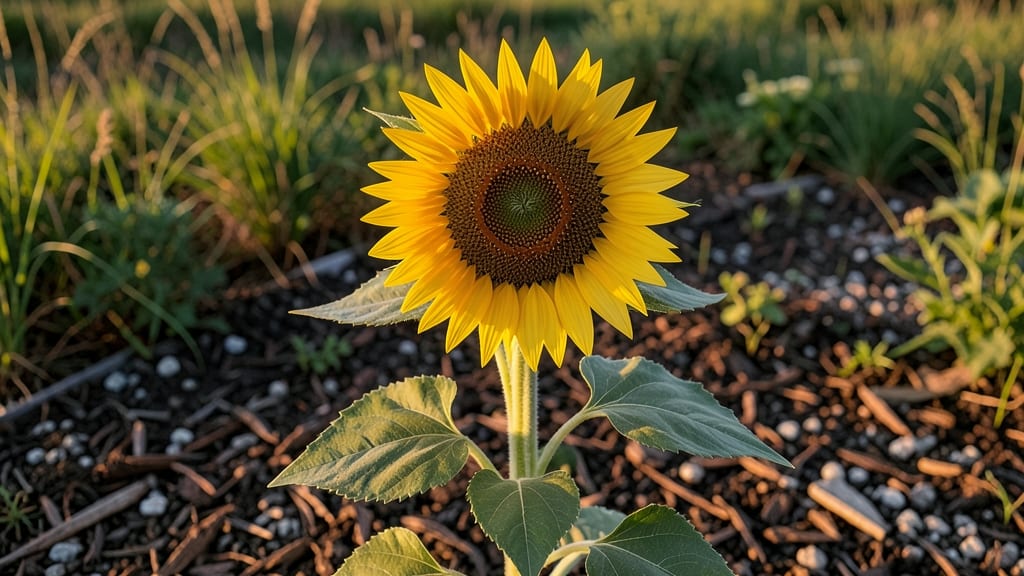
Sunflowers bloom in 80 to 120 days after planting, turning your garden into a golden masterpiece—but timing it right means more than just counting days.
If you've ever planted sunflower seeds with dreams of golden, sun-drenched blooms, you know the wait can feel endless. The good news? Understanding the sunflower bloom time isn’t just about patience—it’s about setting yourself up for success from day one.
From choosing the right variety to adjusting for your local climate, every factor plays a role in whether your 🌻 will reach its full potential.
In USDA Zone 6a, planting in April or May after the last frost gives you the best shot at those towering, cheerful faces by summer’s end.
Here’s what you need to know to predict, encourage, and even speed up those blooms—so you can enjoy the show without the guesswork.
How long do sunflowers take to bloom? A detailed timeline
There's nothing quite like watching a tiny sunflower seed transform into a towering, golden bloom—but knowing the sunflower bloom time helps you plan for that magical moment.
Most sunflowers take between 80 to 120 days to reach their full, sun-drenched glory, though this can vary based on the variety you choose and growing conditions. Understanding these timelines ensures you'll have vibrant blooms when you need them, whether for summer cuttings, bird feeders, or simply garden beauty.
If you're eager to see those cheerful faces sooner, some early-blooming varieties can surprise you with flowers in as little as 50 to 60 days. Meanwhile, giant varieties might take closer to 120 days to reach their impressive heights and dramatic blooms.
The key to success lies in matching your expectations with the right variety and providing the ideal growing environment.
| Variety Type | Bloom Time (Days) | Height Range | Best For |
|---|---|---|---|
| Dwarf (e.g., 'Teddy Bear') | 50-60 days | 2-4 ft | Containers, borders |
| Semi-Dwarf (e.g., 'Moulin Rouge') | 60-75 days | 4-6 ft | Cut flowers, pollinators |
| Standard (e.g., 'Russian Giant') | 90-120 days | 8-16 ft | Tall gardens, birdseed |
| Double Blooms (e.g., 'Double Dwarf') | 70-90 days | 3-5 ft | Decorative displays |
Your planting season and location play a huge role in bloom timing. If you're in a warm climate like USDA Zone 9 or 10, you might see blooms as early as 60 days if you plant in late winter.
In cooler regions like Zone 5 or 6, waiting until after the last frost (typically mid-May) ensures your sunflowers have enough warmth to bloom in late summer or early fall.
One of the biggest factors affecting sunflower bloom time is sunlight. These plants thrive in full sun (6-8+ hours daily), but even slight shade can delay flowering. If your garden gets less sun, opt for dwarf varieties or supplement with grow lights indoors.
I once grew 'Teddy Bear' sunflowers on my balcony with just 4 hours of morning sun, and they still bloomed in 70 days—though they were smaller than expected.
Soil quality also impacts timing. Sunflowers prefer well-draining, nutrient-rich soil with a pH between 6.0 and 7.5. Amending your soil with compost or a balanced fertilizer (5-10-10) at planting can jumpstart growth, potentially shaving 5-10 days off your bloom time.
I always mix in a handful of compost when I plant mine, and it makes a noticeable difference in how quickly they sprout and grow.
Temperature swings can throw off your sunflower bloom schedule. Cool nights below 50°F can slow growth, while heatwaves above 90°F might cause buds to drop before opening.
If you notice your sunflowers struggling in extreme heat, provide afternoon shade with a lightweight shade cloth or mulch heavily to keep roots cool. This small adjustment can help maintain a steady bloom time.
Watering habits matter too. While sunflowers are drought-tolerant once established, inconsistent watering can delay blooming. Aim for 1 inch of water per week, focusing on deep soaks rather than frequent shallow watering.
I water mine at the base in the early morning to prevent fungal issues, and this consistency keeps them on track for a timely bloom.
If you're itching to see flowers faster, consider succession planting. Instead of waiting for your first batch to bloom, sow a second round of seeds 4-6 weeks later.
This way, you'll have sunflowers blooming at different times throughout the season. I’ve done this with 'Moulin Rouge' and ended up with continuous color from July through September.
Finally, pay attention to your sunflowers' growth stages. The first 10-14 days after planting are critical for germination. Once sprouted, expect 2-3 inches of growth per week under ideal conditions.
When buds form (around 45-60 days), reduce nitrogen fertilizer to encourage flowering instead of leafy growth. This tweak can help your sunflowers reach their bloom phase 1-2 weeks earlier.
With the right variety, care, and a little patience, you'll be rewarded with those iconic golden faces
5 Factors that speed up or delay sunflower bloom time
Sunflowers are the stars of summer gardens, but their bloom time can feel like a mystery—especially when some plants race to flower while others linger. The truth? Five key factors control how quickly your sunflowers reach their golden peak. Understanding these can turn your patience into perfect timing.
From the moment you plant those tiny seeds, your sunflowers are on a 80-120 day countdown to bloom—but that timeline isn't set in stone. Soil nutrients, watering habits, sunlight exposure, and even when you plant can shift those days dramatically.
Let’s break down what’s really holding your sunflowers back—or speeding them up.
🌱 5 Critical Factors for Sunflower Bloom Time
- 1. Soil Nutrients: Phosphorus (P) is the bloom booster—low levels delay flowering. Test your soil and amend with bone meal or 5-10-10 fertilizer at planting.
- 2. Watering Schedule: Deep, infrequent watering (1 inch per week) encourages strong roots and faster blooms. Shallow watering stresses plants, slowing growth.
- 3. Sunlight Exposure: 6+ hours of direct sun is non-negotiable. Partial shade stretches bloom time by weeks—move plants or choose dwarf varieties for shadier spots.
- 4. Planting Window: Sow seeds 2-3 weeks after your last frost (typically April-May in most regions). Early planting risks frost damage; late planting delays blooms until fall.
- 5. Temperature Fluctuations: Cool nights (50-60°F) and warm days (75-85°F) speed up growth. Heatwaves or chilly snaps can pause development entirely.
Let’s tackle the most common roadblocks first. If your sunflowers are taking longer than expected, start by checking your soil’s phosphorus levels. A simple at-home test kit can reveal if you’re missing the key nutrient for flowering.
I’ve found that adding 1 tablespoon of 5-10-10 fertilizer at planting can cut bloom time by 10-15 days for standard varieties.
Watering is another sneaky culprit. Many gardeners overwater, thinking sunflowers need constant moisture—but overly wet soil can rot roots and stall growth. Instead, aim for deep watering 2-3 times per week, especially during dry spells.
My dwarf sunflowers bloomed 2 weeks earlier last summer after I switched to this method.
Sunlight is the make-or-break factor for sunflowers. If your plants are stretching tall but not flowering, they’re begging for more light. Try moving them to a south-facing spot or use a reflective surface (like white plastic sheeting) to bounce extra sunlight onto their leaves.
Even an extra 2 hours of sun per day can make a difference.
Timing your planting is just as critical. In cooler climates (like USDA Zone 5), wait until after Memorial Day to avoid frost damage. In warmer zones (like Zone 8), you can plant as early as March—but be ready to protect seedlings if nights dip below 50°F.
I once planted too early in Zone 6 and lost half my seedlings to frost!
Finally, keep an eye on the weather. Sunflowers hate heat stress—temperatures above 90°F can cause buds to drop before opening. If you’re in a hot climate, choose heat-tolerant varieties like 'Autumn Beauty' or provide afternoon shade with a lightweight shade cloth.
A little extra care here can turn a delayed bloom into a prolonged display.