
Blooming
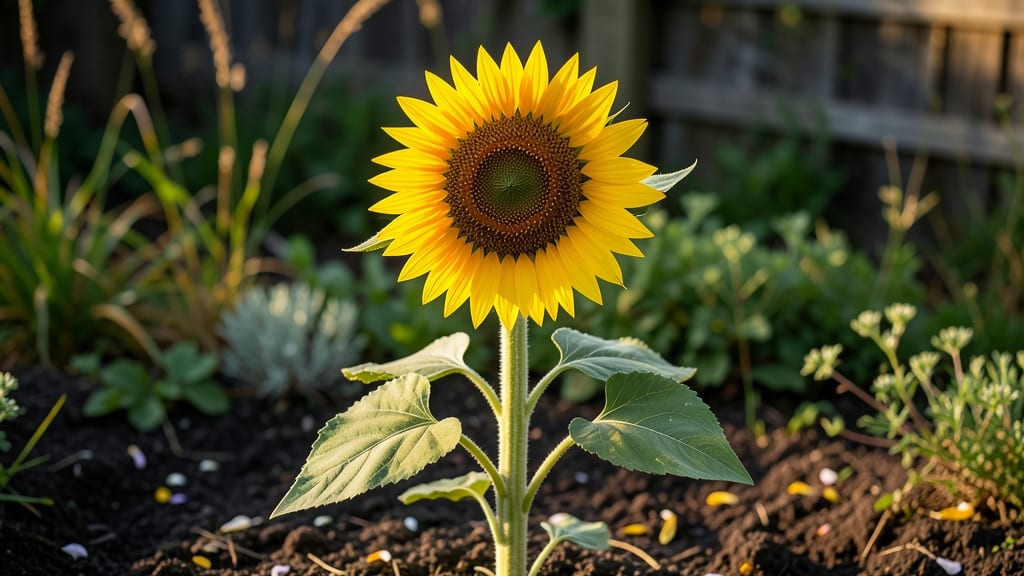
The sunflower blooming season thrives between late June and October, but the exact timing depends on your USDA zone and the variety you choose.
Want to witness sunflowers at their absolute peak—tall, vibrant, and full of life? Timing their blooming season isn’t just about luck; it’s about knowing your USDA zone and preparing your garden for maximum impact.
In Zone 6a, where many gardeners grow sunflowers, you can expect blooms to start as early as July for early varieties, while late-season types may not reach their peak until September or October.
The key is selecting the right types for your climate and giving them the full sun and well-drained soil they crave.
Below, I’ll break down the exact months for each USDA zone, how to stretch your blooming window with smart variety choices, and the simple tweaks that keep your sunflowers thriving from first bud to seed harvest.
Sunflower blooming season by USDA zone: exact months for each region
Sunflowers are a gardener’s dream—bright, cheerful, and effortlessly stunning—but their blooming season depends entirely on your USDA zone. Whether you're in the chilly Zone 3 or the warm Zone 11, timing matters. Plant too early, and frost might nip them; too late, and you’ll miss peak summer color.
Let’s break down the exact months sunflowers bloom in each zone, so you can plan for a garden bursting with golden faces.
Sunflowers thrive in full sun, but their blooming windows shift dramatically across regions. In cooler zones, they may start as early as June, while in warmer climates, they can stretch into November.
The key? Choosing varieties suited to your zone and planting at the right time. For example, early-season varieties like 'Teddy Bear' bloom faster, while late-season giants like 'Russian Giant' need more time to mature.
Pro Tip: Always check your last frost date and plant after it. Sunflowers are frost-sensitive, so waiting ensures strong, healthy blooms. Now, let’s dive into the blooming timeline for each zone—because every region has its own sunflower magic.
In Zones 3-4, where winters are harsh, sunflowers typically bloom from July to August. Early varieties like 'Teddy Bear' are perfect for short seasons, while 'Russian Giant' rewards patient gardeners with towering blooms by late summer.
Plant seeds in late May after the soil warms to at least 55°F for best results.
Gardeners in Zones 5-6 enjoy a longer blooming window, from June to September. This is ideal for succession planting—sow early varieties in May and late varieties in June to stretch your display.
'Moulin Rouge' adds a striking red hue, while 'ProCut' is a favorite for cut flowers due to its long stems.
If you live in Zones 7-8, you’re in luck: sunflowers can bloom from May to October! The mild winters and long growing season allow for three planting cycles. Start with early varieties in March, mid-season in April, and late varieties in May for continuous color.
'Velvet Queen' is a standout with its deep red petals and velvety texture.
For those in Zones 9-10, sunflowers are nearly year-round performers, blooming from April to November. The warm climate lets you grow both dwarf varieties (like 'Little Becka') and giants (like 'American Giant').
Plant in fall for winter blooms or spring for summer displays. Just ensure they get consistent water to handle the heat.
In Zone 11, sunflowers are a year-round possibility, with blooms from March to December. Dwarf varieties like 'Dwarf Sunflower' thrive in containers, making them perfect for patios or balconies.
Plant in fall or early spring to avoid the peak summer heat. 'Evening Sun' is a heat-tolerant choice that keeps blooming even in 100°F+ temperatures.
No matter your zone, soil prep is key. Sunflowers love well-draining soil rich in organic matter. Amend with compost before planting, and
How to extend your sunflower blooming season with variety selection
Sunflowers are nature’s cheerful giants, but their blooming season can feel disappointingly short if you’re not strategic. The key to enjoying continuous sunflower blooms from June through October lies in selecting the right varieties for your climate and planting them in succession.
By mixing early-, mid-, and late-season sunflowers, you can create a garden that stays vibrant all summer long.
Different sunflower varieties respond to day-length changes and temperature shifts in unique ways. Some bolt quickly in heat, while others thrive in cooler fall weather. The secret? Planting a staggered schedule that accounts for these differences ensures your garden never loses its golden glow.
Let’s break down how to make this work in your space.
- Plant early varieties (e.g., 'Teddy Bear' or 'Moulin Rouge') in late April-early May for June blooms. These tolerate cooler soil and shorter days.
- Add mid-season varieties (e.g., 'Autumn Beauty' or 'ProCut') in mid-May for July-August peaks. Choose heat-tolerant types for prolonged summer color.
- Sow late-season varieties (e.g., 'Russian Giant' or 'Evening Sun') in late June for September-October displays. These handle cooler temps and shorter days better.
For USDA Zones 3-5, focus on early-blooming dwarf varieties like 'Autumn Beauty' (60-75 days to bloom) to escape early frosts. In Zones 6-9, mix in tall varieties like 'Russian Giant' (100+ days) for dramatic late-season height.
Even in Zones 10-11, where heat is year-round, shade-tolerant types like 'Evening Sun' (90 days) thrive in fall.
Heat tolerance is critical—some varieties wilt under 90°F+ temperatures. Look for heat-tolerant hybrids like 'ProCut' or 'Serenity' that maintain vigor in summer. Pair these with drought-resistant types like 'Little Becka' to reduce watering stress.
A mulch layer of straw or wood chips helps retain moisture and cool roots during peak heat.
Don’t forget succession planting! After harvesting seeds from early bloomers, replant the same spot with late-season varieties in late July. This keeps your garden productive and extends the visual appeal. Just ensure your soil stays warm enough (60°F+) for germination—use black plastic mulch if needed in cooler zones.
With this approach, your sunflower garden will transform into a season-long spectacle, attracting pollinators and lifting spirits from early summer to crisp autumn. The best part? You’ll never again have to choose between early color or late-season drama—just enjoy both!