
Planting
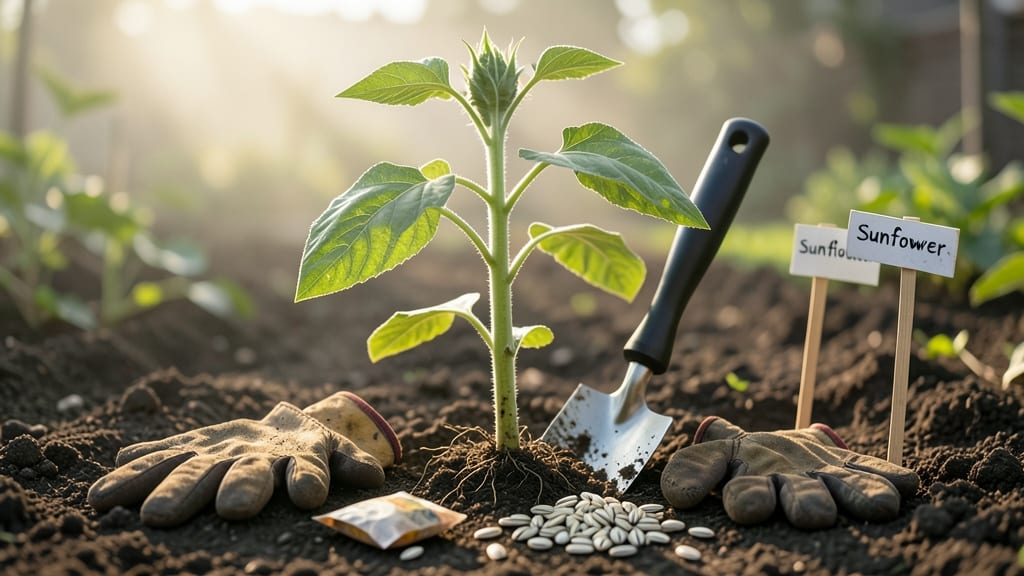
Timing your sunflower planting just right is the secret to growing those towering, sun-drenched blooms you’ve always dreamed of—miss the window, and you might end up with weak stems or no flowers at all.
Picture this: a 12-foot giant 🌻 standing proudly in your garden, its petals soaking up the sun. That kind of success starts with knowing the exact months to plant based on your hardiness zone.
Too early, and frost will nip your seedlings; too late, and the season might not give them enough time to reach their full height.
Whether you’re in Zone 6a or further south, the ideal planting time falls right after your last frost date—typically April or May for most regions.
But there’s more to it than just the calendar: soil temperature, local climate quirks, and even the type of sunflower you’re growing can shift the perfect window.
In this guide, I’ll break down the precise planting months for your zone, share pro tips for direct sowing vs. transplanting, and help you avoid common mistakes that stunt growth. Let’s get those seeds in the ground at the right time for sunflowers that reach for the sky.

Best sunflower planting months by USDA hardiness zones
Sunflowers are fast-growing annuals that need precise timing to reach their towering heights and vibrant blooms. Planting too early risks frost damage, while waiting too long can stunt growth. The USDA hardiness zone determines your ideal window—typically after the last frost date when soil warms to 50-60°F.
For maximum height and bloom success, aim for germination when daytime temps consistently stay above 60°F. In cooler zones (3-5), start seeds indoors 2-3 weeks early or choose early-maturing varieties like 'Teddy Bear' (50-60 days to bloom). Warmer zones (8-10) can direct-sow throughout spring for continuous blooms.
Soil temperature is critical for germination. Use a soil thermometer—seeds won’t sprout below 50°F. In zones 6-7, wait until mid-April to early May when frost risk drops below 10%.
Late varieties like 'Mammoth' (100+ days) need longer growing seasons and should be planted by early June in southern zones.
In zones 3-5, where frost lingers late, I recommend covering seedlings with frost cloth if nighttime temps dip below 40°F. For zones 6-7, mark your calendar for Mother’s Day weekend—this is often the safest time to plant after the last frost.
In warmer southern zones (8-10), you can even plant fall varieties for winter blooms if you live in coastal areas with mild winters.
For giant sunflowers like 'Russian Giant' (12-15 ft), plant only one variety per season to avoid competition. These need 100+ frost-free days, so in zone 6, plant by June 1st at the latest.
In zone 10, you can stagger plantings every 3-4 weeks for continuous blooms from spring to fall.
Always check your local frost dates—they vary even within zones. For example, Denver (zone 5b) has a last frost around May 15th, while Chicago (zone 5a) waits until May 25th.
Use the National Weather Service or Almanac to pinpoint your exact window. Pro tip: Plant a test row 2 weeks early to gauge soil warmth.
If you’re unsure about your zone, enter your ZIP code into the USDA Plant Hardiness Zone Map for precise guidance. Remember, soil temperature matters more than air temperature—seeds won’t germinate until the soil reaches 50°F+.
Use a soil thermometer or press your hand into the soil: if it feels warm but not hot, it’s ready for planting.
For container growing, plant sunflowers 2-3 weeks earlier than in-ground, as containers warm up faster. Dwarf varieties like 'Little Becka' (3-4 ft) can even be grown in pots on patios in zones 4-5. Just ensure containers have drainage holes and use lightweight potting mix to prevent tipping over.
Timing your sunflower planting perfectly ensures strong stems, vibrant blooms, and bountiful seeds. Whether you’re growing tall giants or compact varieties, following your zone’s guidelines will give you sunflowers that shine all season long.
How to time sunflower planting for giant blooms
Sunflowers are generous plants—they reward patience with towering stems and vibrant blooms, but only if you plant them at the right time. The key lies in balancing soil warmth, frost-free dates, and your local climate.
In cooler zones, I’ve found that waiting until soil reaches 55°F (13°C) speeds up germination, while warmer regions can start as early as March for continuous blooms.
Adjusting your planting schedule based on last frost dates and sunlight hours is non-negotiable. For example, in USDA Zone 5, I plant mine in late May to avoid late frosts, while in Zone 9, I start as early as February for a summer-long display.
The goal? Give your sunflowers 90-120 frost-free days to reach their full height.
- 🌱 Soil Prep: Warm soil (55°F+) speeds germination—cover beds with black plastic 2 weeks before planting in cool climates.
- ☀️ Sunlight Check: Ensure 6+ hours of direct sun daily; move beds if shade appears after planting.
- 🌿 Succession Planting: Sow new seeds every 2-3 weeks (April–July) for continuous blooms.
- 🌡️ Frost Guard: Use row covers if nights dip below 40°F (4°C) after germination.
- 🌻 Companion Plants: Pair with bush beans or marigolds to deter pests and extend the season.
For giant blooms, I swear by succession planting—sowing seeds every 2-3 weeks from spring to early summer. This ensures a steady supply of pollinators and prevents overcrowding, which stunts growth.
In my garden, this trick has extended my sunflower season by 6-8 weeks, giving me blooms from July through October.
Don’t overlook soil prep—sunflowers thrive in loose, well-draining soil with a pH of 6.0-7.5. I mix in compost and a balanced fertilizer (5-10-10) at planting to jumpstart growth.
If your soil is heavy clay, amending with sand or perlite improves drainage and prevents root rot, a common issue in wet climates.
Companion planting is another game-changer. I plant bush beans alongside sunflowers—they fix nitrogen in the soil while the sunflowers provide shade for the beans’ roots. Marigolds deter pests like sunflower moths, and nasturtiums act as a trap crop.
This trio keeps my sunflowers healthy and pest-free while maximizing space in my garden.
Finally, monitor your plants closely. If seedlings emerge slowly, thin them to 12-24 inches apart to avoid competition. Mulch around the base with straw or grass clippings to retain moisture and suppress weeds.
With these adjustments, you’ll grow sunflowers that rival your fence height—or even tower over it! 🌻