
Flowers
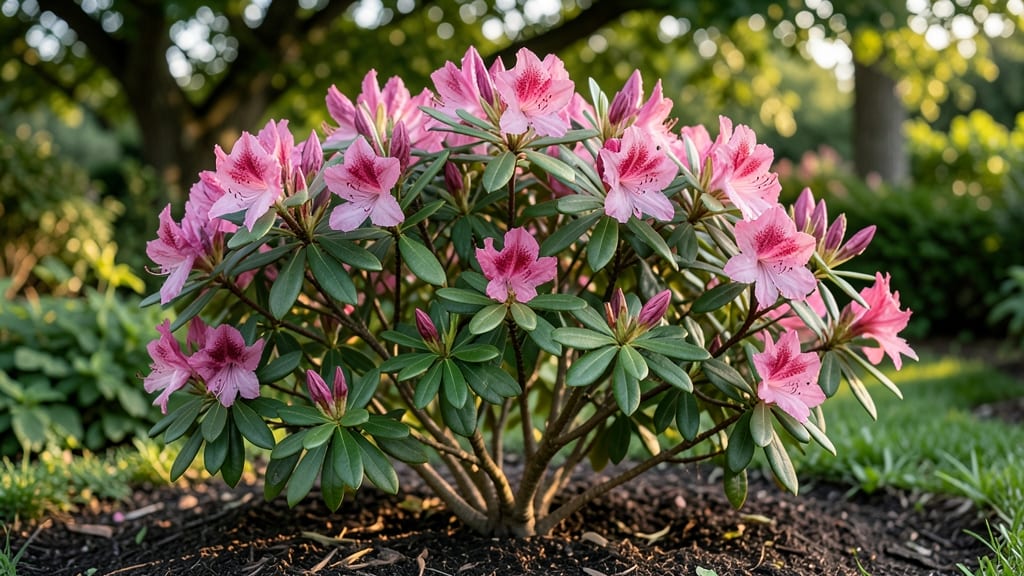
Azaleas flower in late spring—typically April through May—but the exact timing depends on your climate zone, variety, and care routine.
Ever stared at your azaleas in late winter, wondering when those 🌸 buds will finally burst into color? The answer isn’t just about the calendar—it’s about your local frost dates, soil conditions, and even last year’s pruning habits.
In USDA Zone 6a, like much of the Midwest, blooms usually arrive by mid-April, while Southern gardeners in Zone 8 may see flowers as early as March. But here’s the catch: late pruning or over-fertilizing can delay blooms by weeks—or worse, skip them entirely.
Below, I’ll break down the exact months for your zone, how to predict your plant’s schedule, and the 3 key adjustments that guarantee vibrant blooms year after year.
Azalea flowering months by USDA climate Zone (exact timeline)
If you’ve ever wondered when azaleas flower in your area, the answer depends entirely on your USDA climate zone. These stunning shrubs bloom at different times—some in early spring, others in late winter or even fall—based on your region’s temperature patterns.
Knowing your exact azalea bloom time helps you plan pruning, fertilizing, and even enjoy the show at its peak!
Most azaleas are spring bloomers, but their timing shifts dramatically from Zone 4 to Zone 10. In colder zones, buds form in late winter and burst into color by April.
Meanwhile, in warmer southern climates, blooms may appear as early as February or stretch into May. Let’s break it down by zone so you can predict your azalea’s flowering window with confidence.
Pro Tip: Early-season varieties (like Rhododendron ‘George L. Taber’) often bloom first, followed by mid-season (e.g., ‘Hino Crimson’) and late-season types (e.g., ‘Girard’s Pink’). Southern gardeners may even spot fall-blooming azaleas, which thrive in Zones 7–10.
In Zones 4–5, azaleas wait until late spring to bloom, often aligning with the last frost date. This delay ensures buds survive winter’s chill. For example, ‘Bowl of Beauty’ typically bursts into color in April, while ‘Hino Crimson’ lingers into June.
These zones require acidic soil (pH 4.5–5.5) and shelter from harsh winds to encourage robust blooms.
Gardeners in Zones 6–7 enjoy a more predictable April–May display. Here, early bloomers like ‘George L. Taber’ (pink flowers) kick off the season, followed by late varieties like ‘Girard’s Pink’. A key tip: Prune azaleas immediately after flowering to shape the shrub without cutting off next year’s buds.
Southern gardeners in Zones 8–9 often see azaleas bloom as early as February, with some varieties even reblooming in fall. The Southern Indica group is a favorite here, offering vibrant colors like red, pink, and white.
To extend blooms, mulch with pine bark to retain moisture and cool roots during heatwaves.
In Zone 10, azaleas defy seasonal norms, sometimes flowering year-round in ideal conditions. Varieties like ‘Knap Hill’ (white) and ‘Formosa’ (purple) thrive in mild winters and humid summers. However, protect them from intense afternoon sun, which can scorch petals. Dappled shade under trees is ideal.
Regional microclimates can shift bloom times by 2–4 weeks. For instance, coastal areas in Zone 7 may see azaleas bloom 2 weeks earlier than inland spots due to milder temperatures.
Pay attention to your local last frost date—buds often form in late winter, and a surprise frost can damage them.
To maximize blooms, feed azaleas with acid-loving fertilizer in early spring (after buds form but before leaves emerge). Avoid heavy nitrogen, which promotes foliage over flowers. And remember: Well-draining, slightly acidic soil is non-negotiable for healthy blooms.
Now that you know your azalea’s exact bloom window, you can plan your garden’s color palette like a pro. Whether you’re in Zone 4 (waiting for June blooms) or Zone 10 (enjoying winter flowers), these timelines ensure you never miss the show! 🌸
How to predict your azaleas’ bloom time before they bud
Predicting when your azaleas will bloom doesn’t require a crystal ball—just a little observation and knowledge of their growth patterns. By tracking last year’s blooms, plant maturity, and microclimate factors, you can estimate their flowering window with surprising accuracy.
This helps you plan for pruning, fertilizing, and even photographing those showstopping blooms at their peak.
Start by noting when your azaleas bloomed last year. Most varieties follow a consistent cycle, with spring-blooming types appearing within a 2-4 week window of the previous year’s schedule.
For example, if they peaked in early May last year, expect blooms again around the same time—unless you’ve made changes to their care. Fall-blooming azaleas (like Enkianthus) also follow this pattern but typically flower in September or October.
- 1. Last Year’s Bloom Date: Note the exact week your azaleas peaked. Most varieties repeat within 7-14 days of the prior year.
- 2. Plant Maturity: Young azaleas (1-2 years old) may bloom 2-4 weeks later than mature plants. Track growth each year.
- 3. Pruning History: Heavy pruning after blooming delays next year’s flowers by 4-6 weeks. Light pruning has minimal impact.
- 4. Sun Exposure: Too much sun (6+ hours) can stress azaleas, pushing blooms 2-3 weeks earlier. Partial shade (4-6 hours) is ideal.
- 5. Soil Moisture: Drought stress in late summer can trigger early blooming. Consistent moisture keeps timing predictable.
- 6. Wind Exposure: High winds dry out buds faster, sometimes causing stunted or delayed blooms. Sheltered spots bloom more reliably.
- 7. Microclimate: Urban areas (heat islands) may see blooms 1-2 weeks earlier than rural zones. Observe local trends.
Pay attention to your azaleas’ bud formation in late winter.
Healthy buds typically appear 6-8 weeks before blooming, so if you spot them in early February, expect flowers around mid-to-late March. Dwarf varieties (like Girard’s) often bloom slightly later than standard shrubs due to their slower growth rate.
Your pruning habits play a huge role in timing. If you prune right after blooming, you’ll encourage next year’s flowers to form later. For spring-blooming azaleas, prune in June or July to avoid cutting off next year’s buds. Fall-bloomers can be pruned immediately after flowering without affecting timing.
Don’t overlook soil moisture—azaleas are sensitive to drought. If your plants experience water stress in late summer, they may bloom 2-3 weeks earlier than usual.
Aim for 1 inch of water per week during dry spells to maintain consistent timing. Mulching (2-3 inches of organic mulch) helps retain moisture and keeps roots cool, which supports predictable blooming.
Finally, compare your garden’s microclimate to your USDA zone. Even within the same zone, a sheltered, shady spot might delay blooms by 1 week compared to a sunnier, windier location.
Take notes for 2-3 years to refine your predictions—soon, you’ll know exactly when to expect those vibrant pink, purple, or white blooms to arrive. 🌸