
Blooming
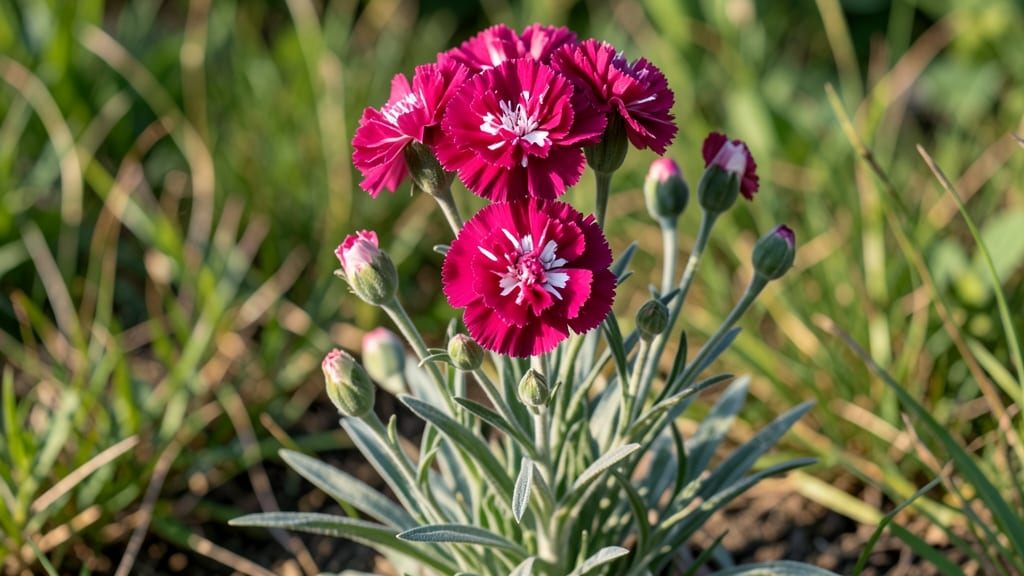
Carnations flower in spring and summer for annual varieties, but their timing shifts dramatically depending on whether you’re growing them as perennials or in warmer climates.
Wondering why your carnations refuse to bloom when you expect them to? Timing everything from planting to seasonal shifts determines whether you’ll enjoy vibrant blooms or wait in vain—here’s the science behind carnation flowering cycles.
In USDA Zone 6a, most carnations planted in March–April will burst into color by June, but spray varieties can keep blooming into October with the right care. Meanwhile, in warmer zones, they might flower year-round, while cooler regions force them to wait for spring warmth.
Below, I’ll break down how to align your carnations’ blooms with your garden’s rhythm—plus 5 pro tips to extend their flowering season and troubleshoot stubborn non-bloomers.
Carnation flowering seasons by variety: when to expect blooms
Carnations are one of the most versatile garden flowers, with blooming seasons that vary dramatically by variety and climate zone. Whether you're growing standard carnations for their classic blooms or spray varieties for lush clusters, timing is everything.
Understanding these patterns helps you plan your garden for continuous color or seasonal highlights.
The key to predicting carnation blooms lies in recognizing three main categories: annual varieties (spring-fall bloomers), spray types (year-round with proper care), and perennial carnations (fall-winter in mild climates).
Even within these groups, USDA climate zones 3-11 can shift bloom windows by 1-3 months, so your location matters just as much as the plant type.
| Variety | Climate Zones | Primary Bloom Season | Adjustments for Early/Late Blooms |
|---|---|---|---|
| Standard Annuals (Dianthus caryophyllus) | Zones 3-10 | May - October (peaks June-August) | Plant 4-6 weeks before last frost; prune spent blooms |
| Spray Varieties (e.g., 'Tiny Rubies') | Zones 5-11 | Year-round in Zones 9-11; Spring-Fall in Zones 5-8 | Use frost blankets in winter; deadhead regularly |
| Perennial Carnations | Zones 6-10 | Fall-Winter (Sept-Jan); Spring rebloom (April-May) | Mulch heavily in winter; prune back in early spring |
| Dwarf Varieties (e.g., 'Champagne Bubbles') | Zones 7-11 | June - September (compact blooms) | Plant in containers for mobility; protect from strong winds |
If you're in Zone 3-5, expect your standard annual carnations to bloom later—typically June through September—due to cooler springs. These varieties need 60-90 days of warm temperatures after planting to trigger flowering, so starting seeds indoors 4-6 weeks before last frost is critical for timely blooms.
For spray carnations in Zones 9-11, you can enjoy year-round blooms with consistent care. These varieties thrive in warm climates and respond well to regular deadheading and balanced fertilization.
In Zone 8, they'll still produce blooms from spring through fall, but may need light frost protection in winter.
Perennial carnations are the most climate-dependent group. In Zones 6-10, they typically bloom in late fall and winter (September-January), followed by a spring rebloom in April-May. The secret to their success? Heavy mulching in winter to protect roots and early spring pruning to encourage new growth.
In Zone 10, they may even bloom twice a year.
Dwarf carnations are perfect for container gardening and bloom slightly later than standard varieties—usually June through September. Their compact size makes them ideal for balconies and patios, but they still require full sun exposure and consistent moisture to produce vibrant blooms. In Zone 7 and below, their bloom season may shorten to July-August.
To extend carnation blooms, focus on three key triggers: sunlight, temperature, and pruning. Carnations need 6+ hours of direct sunlight daily, and temperatures above 70°F encourage faster blooming. Deadheading spent flowers redirects energy to new blooms, while light pruning after each flush keeps plants bushy and productive.
Pro tip: In cooler climates (Zones 3-5), plant spring-blooming varieties like 'White Sim' or 'Pink Beauty' for early summer color. For fall displays, choose perennial types or spray varieties that thrive in mild autumn weather.
With the right variety and care, you can enjoy carnation blooms for nearly half the year.
How climate zones and temperature trigger carnation blooms
Carnations are sensitive to temperature shifts, and their blooming cycles depend heavily on your USDA climate zone. In cooler zones (3-6), most varieties need a chilling period of 4-6 weeks below 50°F (10°C) to trigger buds.
Without this, they may skip flowering entirely. Meanwhile, warmer zones (7-11) often see year-round blooms, but heatwaves above 90°F (32°C) can stress plants and delay flowers.
Daylight hours also play a crucial role—12+ hours of light in summer accelerates blooming, while shorter days in fall can extend the season. Perennial carnations, like 'Eternal Flame', may bloom twice yearly if given proper care, while annuals like 'Chabaud' focus energy on a single spring-to-fall display.
Understanding these triggers helps you predict and adjust bloom times based on your local climate.
Carnation Blooming Triggers by Climate
✅ Pros of Cooler Zones (3-6)
- Natural chilling triggers buds
- Longer bloom season in spring
- Lower pest pressure
- Perennials rebloom reliably
❌ Cons of Cooler Zones (3-6)
- Late starts if frost delays
- Shorter growing season
- May need row covers for winter
✅ Pros of Warmer Zones (7-11)
- Year-round blooming possible
- Faster growth cycles
- Less frost damage
- Ideal for container gardening
❌ Cons of Warmer Zones (7-11)
- Heat stress above 90°F
- Requires consistent watering
- Pests thrive in humidity
- May need afternoon shade
🌡️ Key Adjustments: Use shade cloth in zones 9-11 during summer; mulch in zones 3-6 to retain cold.
In USDA Zone 7 (like much of the Midwest), carnations typically bloom from late spring to early fall, peaking in June. To shift bloom times, try planting early varieties in late winter for spring flowers or heat-tolerant types in summer for fall displays.
For example, 'White Sim' thrives in heat, while 'Pink Beauty' prefers cooler mornings. Adjusting planting dates by 4-6 weeks can align blooms with holidays or special events.
Temperature also affects flower quality. Cooler nights (60-65°F) produce tighter buds, while consistent warmth encourages loose, vibrant blooms. If your carnations bolt too quickly in hot zones, provide afternoon shade and increase watering to every 2-3 days.
In contrast, overwatering in cold zones can rot roots, so always check soil moisture before watering.
For container-grown carnations, temperature control is easier—move pots to protected spots during heatwaves or cover with frost cloth in early spring. This flexibility lets you extend bloom seasons by 2-3 months compared to in-ground plants. Just ensure containers have drainage holes to prevent root rot from temperature swings.
Monitor your local microclimate—urban areas often run 5-10°F warmer than rural zones, delaying blooms. Use a soil thermometer to track root-zone temps; ideal ranges are 65-75°F for growth and 50-60°F for bud set.
With these adjustments, you can predict and manipulate carnation blooms to fit your garden’s rhythm. 🌸