
Blooming
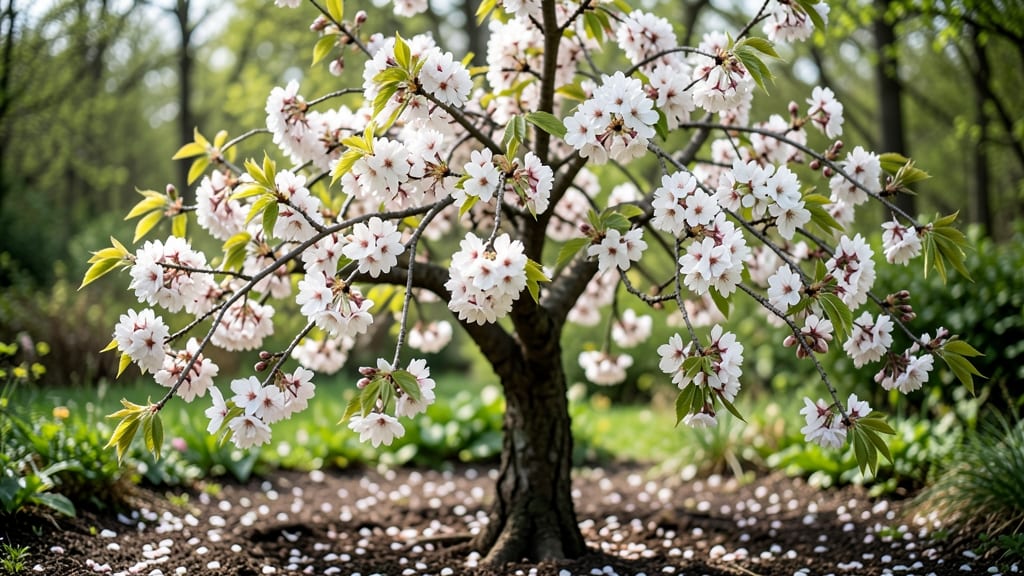
Cherry trees flower in late winter to early spring 🍒, with timing that varies wildly by variety and your local climate zone.
Picture this: a sudden burst of pink or white blossoms against a crisp spring sky, signaling the start of your garden’s most magical season. But here’s the catch—some varieties bloom as early as February, while others wait until April or even May.
If you’ve ever missed the show because you didn’t know when to look, you’re not alone.
This guide breaks down the exact months for popular cherry tree types, from early bloomers like 'Stella Rosa' to late-season stars like 'Kanzan.' We’ll also show you how your USDA zone shifts those dates—and how to predict your tree’s bloom window like a pro.
Ready to time your garden’s grand entrance? You’ll learn how to track bud swell, adjust for frost risks, and even choose varieties that align with your local pollinators. Let’s get those blossoms on schedule.
Cherry tree flowering seasons by popular variety (with exact timing)
Timing your garden’s cherry blossom display starts with knowing your tree’s flowering window. Different varieties bloom from late winter to mid-spring, with some like 'Stella Rosa' bursting into color as early as February, while others like 'Kanzan' wait until April.
These differences aren’t just about aesthetics—they affect pollination, fruit set, and even your local wedding or festival timelines. Let’s break down the exact months for 10+ popular cherry trees, so you can plan your garden’s grand entrance.
Most cherry trees follow a late winter to early spring blooming pattern, but ornamental cherries often outshine their fruit-bearing cousins with longer-lasting flowers. For example, 'Autumnalis' starts blooming in September and continues through November, while 'Black Tartarian' waits until April for its dramatic show.
Understanding these timelines helps you align pollinators, schedule pruning, and even predict frost risks that could damage delicate blossoms.
If you
How climate zones shift cherry tree blooming dates (USDA map guide)
Your USDA hardiness zone is the secret to predicting when your cherry tree will burst into bloom. Trees in Zone 5 often flower 2-3 weeks earlier than those in Zone 8, thanks to warmer winters and longer growing seasons.
This shift means a late-winter spectacle in colder climates vs. early-spring displays in warmer regions. Understanding these differences helps you plan pruning, pollinator visits, and even photography sessions for the perfect shot.
Microclimates add another layer of complexity. Urban areas can be 5-10°F warmer than rural zones due to heat islands, pushing blooms 1-2 weeks earlier. Meanwhile, elevation changes of just 1,000 feet can delay flowering by 10-14 days.
For example, a Zone 7 tree at 3,000 feet might bloom closer to a Zone 6 timeline. These factors explain why two neighbors with identical trees might see flowers at completely different times.
If you're in Zone 5 but notice your 'Stella Rosa' blooming in mid-March instead of late April, check for urban heat effects. Concrete and pavement absorb heat during the day and release it at night, creating a warmer microclimate that tricks the tree into early blooming.
To counteract this, plant near reflective surfaces like light-colored walls or water features to moderate temperatures. Conversely, mountainous regions in Zone 7 might see 'Kanzan' flowers appear in late March instead of mid-March due to cooler nighttime temps.
Elevation plays a surprising role too. For every 1,000 feet you gain, expect blooms to shift 3-5 days later. This is why a Zone 6 tree at sea level might flower alongside a Zone 5 tree at 5,000 feet.
Use this rule to adjust your expectations when moving to a new home or planning a high-altitude garden. Pro tip: Track your local last frost date—cherry trees need 100-150 chill hours (below 45°F) to bloom reliably, so warmer winters can disrupt timing.
For ornamental cherry trees, these shifts create stunning visual contrasts. A Zone 8 'Amanogawa' might bloom in early February, while a Zone 5 neighbor’s tree waits until mid-April.
Plan your spring garden parties or photography shoots around these dates, and consider planting multiple varieties to extend your bloom season. Just remember: late bloomers like 'Shirofugen' need additional chill hours, so they thrive in cooler zones.
Use these insights to time your pruning after blooms fade but before new growth starts. In Zone 9, this might be late March, while Zone 4 gardeners should wait until mid-May.
The key is balancing climate zone data with local observations—your tree’s blooms will tell you more than any map ever could. 🌸