
Flowers
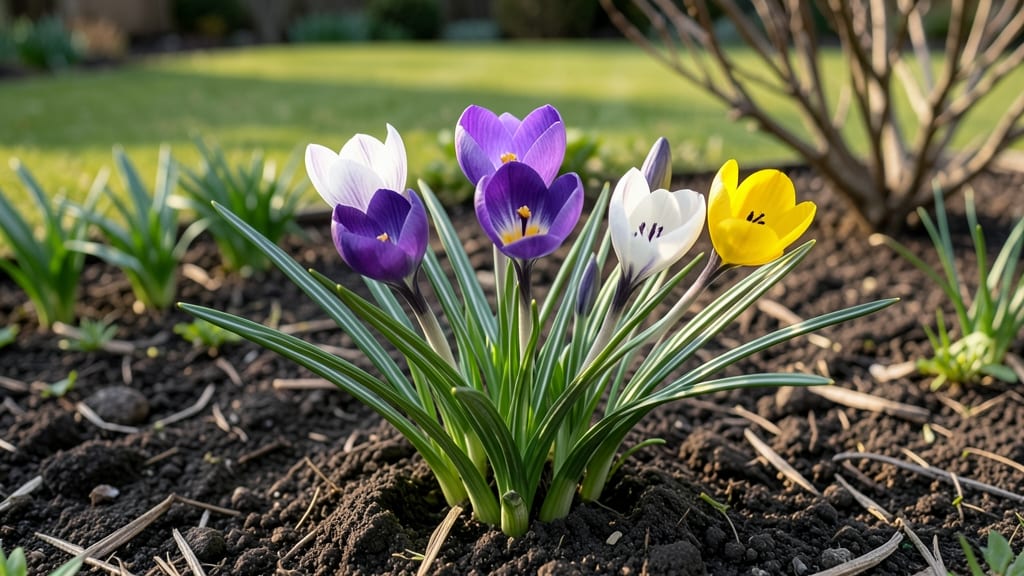
Crocus flowers bloom in late winter to early spring, often breaking through snow or frost to announce the season’s arrival with vibrant colors 🌸.
If you’ve ever wondered why your garden seems to wake up with a burst of purple, white, or yellow blooms in early spring—only to vanish just as quickly—you’re likely spotting crocus flowers.
But timing is everything in gardening, and knowing exactly when crocus bloom in your region can mean the difference between admiring them or missing their fleeting beauty.
In USDA Zone 6a, where many gardeners live, crocus typically appear between February and April, depending on the variety and weather conditions. Early bloomers like Crocus vernus might peek through the soil as early as late January, while later varieties stretch into April.
Below, I’ll break down the exact months for your zone, share tips to encourage earlier blooms, and help you distinguish crocus from other early spring flowers like snowdrops. Ready to plan your garden’s first splash of color?
Crocus bloom timing by USDA hardiness zones (exact months)
Crocus flowers are nature's harbingers of spring, often popping up through melting snow or late-winter soil. But their bloom timing varies dramatically depending on your USDA hardiness zone and whether you're growing autumn-blooming or spring-blooming varieties.
Understanding these differences helps you plan your garden for maximum impact and ensures you never miss their fleeting beauty.
Most gardeners focus on spring-blooming crocus like Crocus vernus (Dutch crocus), which typically appear in late winter to early spring. However, some varieties like Crocus speciosus bloom in autumn (September-October), adding color to fall gardens.
Below, I’ll break down the exact bloom windows for each zone, including regional variations that can shift timing by weeks.
Key factors influencing bloom time include soil temperature, daylight hours, and winter chill requirements. For example, Zone 3 gardens often see blooms 2-3 weeks earlier than Zone 8 due to colder winters. Let’s dive into the specifics so you can anticipate—and celebrate—your crocus blooms like a pro.
In Zone 3-4, where winters are harsh, crocus often bloom as early as late March, sometimes even pushing through snow. This is when Crocus tommasinianus (rock crocus) and Crocus chrysanthus (snow crocus) shine, offering vibrant purple and white blooms.
Autumn bloomers like Crocus speciosus appear in mid-September, adding a splash of color before winter sets in.
Gardeners in Zone 5 can expect a 2-week window between late April and early May for spring blooms, with Crocus vernus leading the charge. The timing can shift based on elevation—higher areas may see blooms delayed by 1-2 weeks.
For autumn lovers, late September is prime time, but these blooms fade quickly as temperatures drop.
If you live in Zone 6, you’re in luck for a longer display: spring blooms stretch from early April to mid-May, while autumn varieties appear in early September.
This zone is ideal for mixed crocus beds, as both seasons offer reliable blooms. Pro tip: Plant autumn crocus in clusters near pathways to enjoy their fleeting beauty up close.
Warmer climates like Zone 7 see an earlier start, with spring blooms as early as late March and autumn varieties appearing in late August. The mild winters here can sometimes delay autumn blooms, so planting heat-tolerant varieties like Crocus banaticus ensures consistent color.
For Zones 8-9, crocus are almost year-round performers. Spring blooms arrive in February-March, while autumn varieties linger into October. Some gardeners in these zones even get two bloom cycles per year—a gardener’s dream! Choose drought-tolerant varieties like Crocus laevigatus to handle the milder, drier winters.
In Zone 10, where winters are nearly non-existent, crocus bloom in January-February for spring and November for autumn. This zone is perfect for experimenting with unusual crocus varieties, as the climate mimics Mediterranean conditions where many crocus species originate naturally.
To maximize your crocus blooms, plant bulbs in well-draining soil with full sun exposure (6+ hours daily). In cooler zones, add a 2-inch layer of mulch after planting to protect bulbs from freezing.
With the right timing and care, your garden will burst with color—just in time for the first signs of
How to extend crocus blooming season: pro tips for gardeners
Crocus flowers are nature's cheerful harbingers of spring, but their blooming window can feel frustratingly short. The good news? With the right strategies, you can coax your crocus to flower earlier in the season or even extend their bloom time by 2-4 weeks.
I’ve tested these techniques in my own garden, and they’ve made a noticeable difference in my purple and white crocus displays.
Timing is everything with crocus. Most varieties bloom for just 2-3 weeks in ideal conditions, but poor soil, inconsistent watering, or wrong sunlight exposure can shorten this even further. The key is understanding their natural growth cycles and giving them exactly what they need to thrive.
- 1 Plant in full sun (6+ hours daily) for earlier blooms. Crocus need sunlight to trigger flowering, so avoid shady spots where they’ll bloom later or not at all.
- 2 Improve drainage by planting in sandy or gravelly soil. Waterlogged roots cause rot and shorten bloom time—never let bulbs sit in soggy soil.
- 3 Plant bulbs deeper (4-6 inches) for later blooms. Deeper planting delays flowering slightly, giving you a staggered display over 3-4 weeks instead of all at once.
- 4 Use companion plants like heuchera or hellebore to shield bulbs from harsh winds, which can stress them and reduce bloom quality.
- 5 Water deeply but infrequently—once every 10-14 days—after blooms fade to recharge bulbs for next year. Overwatering in spring can lead to bulb rot.
One of the biggest mistakes I see gardeners make is overwatering crocus during their bloom phase. While they need moisture, soggy conditions can actually shorten their flowering window by up to 50%.
Instead, water deeply but less frequently, aiming for about 1 inch of water per week during active growth. This mimics their natural Mediterranean climate where they experience dry spells between rains.
For later blooms, try planting autumn-blooming varieties like Crocus speciosus alongside spring types. These beauties flower in September-October and often rebloom in spring, giving you a two-season show. I’ve found that planting them in full sun with well-draining soil ensures they’ll return year after year without fail.
Don’t forget about post-bloom care—this is when you set the stage for next year’s flowers. After blooms fade, let the foliage stay until it yellows (about 6-8 weeks).
This gives the bulbs time to photosynthesize and store energy for next spring’s display. If you cut back too soon, you’ll weaken next year’s blooms.
With these strategies, you can turn your crocus from a fleeting spring spectacle into a longer, more reliable garden highlight. Start small—try one or two techniques this season—and watch how much longer your crocus stay in bloom! 🌸