Flowers
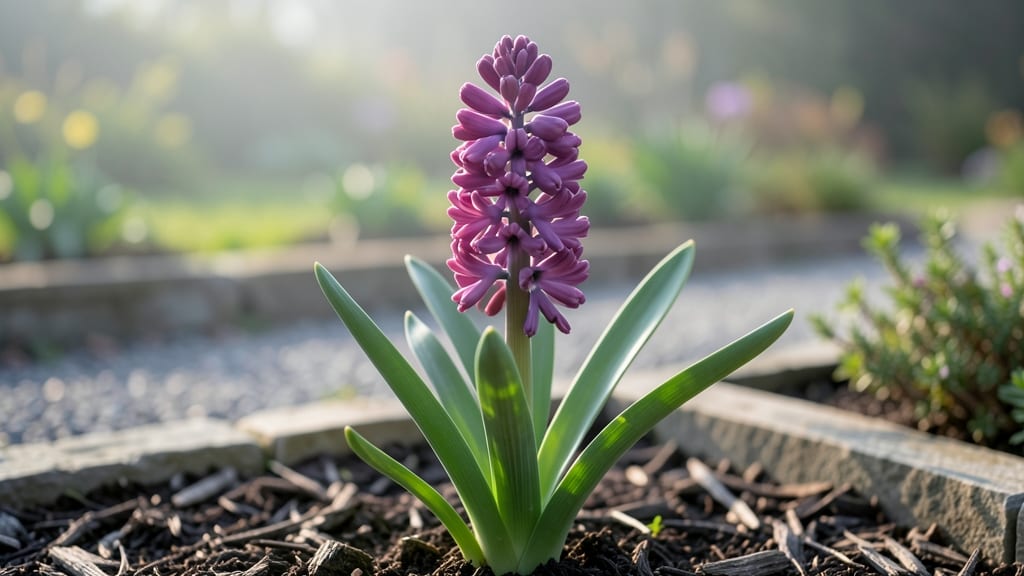
Hyacinths flower between late winter and early spring 🌸, turning your garden into a fragrant burst of color just as the chill of winter fades.
If you’ve ever wondered why your hyacinth bulbs seem to bloom at different times each year—or why your neighbor’s garden bursts with purple blooms while yours stays bare—timing is everything.
These early bloomers thrive in zones 3-10, but their exact flowering window depends on when you planted them in fall and your local climate. In Zone 6a, where most gardeners live, hyacinths typically appear in April or May, signaling that spring has truly arrived.
Below, I’ll break down the science behind bloom timing, how to choose varieties for extended color, and pro tips to coax your hyacinths into flowering on schedule—so you can enjoy their sweet scent and vibrant hues year after year.
Hyacinth bloom timeline by USDA hardiness zones: when to expect flowers
Hyacinths are spring's fragrant heralds, but their bloom timing varies dramatically across the United States. Whether you're in Zone 3's cold winters or Zone 10's mild climate, understanding your region's vernalization requirements ensures reliable blooms.
These bulbs need 6-8 weeks of cold temperatures (35-50°F) to trigger flowering—a process called chilling—before they'll burst into color.
The USDA hardiness zone you live in directly impacts when your hyacinths will flower. In colder zones (3-6), expect blooms as early as late March to April, while warmer zones (7-10) may see flowers in January or February.
Even within a single zone, microclimates (like urban heat islands or sheltered valleys) can shift bloom times by 2-3 weeks.
Here's how to predict your hyacinth's bloom window based on your USDA zone, including early, mid, and late-season varieties that extend your garden's color palette:
| USDA Zone | Typical Bloom Window | Early Varieties | Mid Varieties | Late Varieties | Climate Notes |
|---|---|---|---|---|---|
| Zones 3-4 | Late April - Mid May | 'Delft Blue' (early) | 'Anna Marie' (mid) | 'Woodstock' (late) | Long winters ensure reliable blooms; mulch for frost protection. |
| Zones 5-6 | Mid April - Early May | 'Blue Magic' (early) | 'Pink Pearl' (mid) | 'Jan Bos' (late) | Variable spring temps may delay blooms; plant in sheltered spots. |
| Zones 7-8 | February - March | 'Carnegie' (early) | 'L'Innocence' (mid) | 'Ostara' (late) | Milder winters may require pre-chilling for reliable blooms. |
| Zones 9-10 | January - February | 'White Pearl' (early) | 'Amethyst' (mid) | 'Blue Jacket' (late) | Plant in winter months (Nov-Dec) for spring blooms; avoid summer heat. |
The vernalization process is what makes hyacinths so predictable yet variable. When bulbs experience consistent cold (below 50°F) for 6-8 weeks, they trigger flowering hormones.
In Zone 3, this happens naturally during winter, while Zone 9 gardeners may need to pre-chill bulbs in a refrigerator for 10-12 weeks before planting. Even a single warm spell during winter can disrupt this process, causing blooms to delay by 2-3 weeks.
For garden planning, pair early-blooming varieties like 'Delft Blue' with daffodils and crocuses to create a sequential spring display. In warmer zones, consider planting late-season varieties like 'Woodstock' in fall (October-November) to extend your blooms into early April.
Remember, hyacinths thrive in full sun (6+ hours daily), so choose a south-facing location for optimal performance.
If your hyacinths fail to bloom, check these common issues: insufficient chilling, overcrowded bulbs, or poor drainage. In containers, use a well-draining mix and ensure pots are large enough (at least 6 inches deep) to accommodate root growth.
After flowering, leave foliage until yellow—this feeds the bulb for next year's bigger, more abundant blooms.
Top 5 hyacinth varieties ranked by bloom time: fastest to latest flowering
Hyacinths are nature’s way of announcing spring, but not all varieties bloom at the same time. By selecting the right hyacinth cultivars, you can create a staggered spring display that lasts from late winter to early spring.
The key is understanding each variety’s average bloom window and how to pair them for continuous color.
Early bloomers like Delft Blue burst into color as soon as the ground thaws, while late varieties like Woodstock hold onto their fragrance until late spring.
This strategic timing lets you extend your garden’s seasonal interest and ensures you’re never without a splash of color when other spring bloomers are just waking up.
Delft Blue is my top pick for early bloomers—its vibrant blue flowers appear as soon as the snow melts in USDA Zones 5-8. This variety thrives in cooler climates and is perfect for forcing indoors if you want a Valentine’s Day centerpiece. Plant bulbs in fall (September-October) for the earliest blooms.
Anna Marie, with its pink and white striped blooms, follows closely, typically flowering in late February to March. It’s a crowd-pleaser for garden borders and containers, offering a fragrant contrast to early daffodils. For best results, pair it with tulips that bloom in the same window.
If you love deep purple hues, Pink Pearl delivers with its soft pink flowers that bloom in mid-March to early April. This variety is ideal for cut flowers and adds a romantic touch to any garden.
To encourage larger blooms, fertilize lightly in early spring with a 5-10-10 NPK formula.
For a late-season splash, Woodstock is a standout with its white and pale pink blooms appearing in late March to April. It’s a fragrant favorite and pairs beautifully with alliums for height contrast.
In warmer climates (USDA Zones 9-10), it may bloom even later, extending your display into May.
Finally, Jan Bos is the late-blooming champion, with deep pink flowers that appear in April to early May. This variety is perfect for warm-climate gardens where traditional hyacinths might struggle. Plant it in partial shade to prevent early fading in hotter regions.
To maximize your hyacinth display, mix these varieties in one garden bed or container arrangement. Start with Delft Blue for early color, add Anna Marie and Pink Pearl for mid-season blooms, and finish with Woodstock and Jan Bos to keep the show going until late spring.
With this strategy, your garden will be a fragrant, colorful spectacle from winter’s end to summer’s start! 🌸