
Flowers
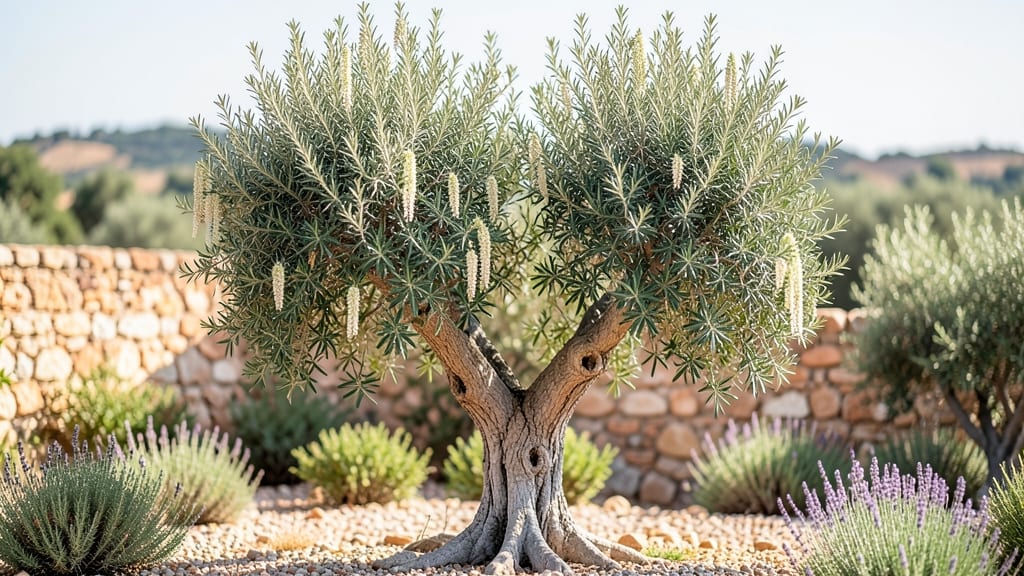
Olives flower in late spring to early summer 🫒, a critical window that determines whether your tree will bear fruit—or leave you staring at empty branches.
Ever wondered why your olive tree isn’t producing fruit? The answer lies in its flowering cycle—a delicate balance of timing, climate, and care that most gardeners overlook. Understanding when olives flower and what triggers this process could mean the difference between a bountiful harvest and empty branches.
In Mediterranean climates (zones 7-10), flowering typically peaks in May and June, though early varieties may bloom as soon as April. Cooler regions or younger trees might delay blooms until July, while subtropical areas can see staggered flowering through summer.
Below, I’ll break down the exact months for your climate zone, how to spot the first flowers, and the 3 key factors that ensure a successful bloom—and fruit set—every year.
Olive flowering seasons by climate zone: exact months & environmental triggers
Olive trees flower in late winter to early spring, but the exact timing depends on your climate zone and the specific olive variety you're growing.
In their native Mediterranean climate, olives typically bloom between February and April, but colder or warmer regions can shift this window by several weeks. Understanding these seasonal triggers helps you predict flowering and plan for fruit production.
Flowering is triggered by a combination of temperature shifts, daylight hours, and rainfall patterns. Olive trees need a period of cooler winter temperatures (around 40-50°F) followed by warming weather to break dormancy and initiate blooms.
In subtropical zones, this process may start as early as January, while temperate climates often see flowers appear in March or April.
Here’s how flowering timing varies by climate zone, along with the key environmental triggers that set the stage for blooms:
In Mediterranean climates, where olive trees thrive naturally, flowering typically begins in February and peaks in March. This aligns with the tree’s need for cooler winter temperatures followed by warming weather. Varieties like Arbequina and Manzanillo often bloom early, while Frantoio may flower slightly later in the season.
For gardeners in temperate zones (like USDA Zones 7–8), flowering is usually delayed until March or April due to cooler winters. These regions may experience frost risks during early blooms, which can damage flowers and reduce fruit set.
To mitigate this, consider planting late-flowering varieties or providing frost protection like row covers.
In subtropical zones, such as Southern California or Florida, olive trees often flower as early as January. The milder winters and consistent daylight hours create ideal conditions for early blooms.
However, these zones may struggle with heat stress during flowering, so providing afternoon shade can help preserve blooms.
One of the most reliable ways to predict flowering is to watch for pre-flowering signs. Look for bud swelling along the branches, which appears as small, rounded bumps. In some varieties,
How to encourage olive tree flowering: pruning, watering & pollination tips
Olive trees typically bloom in late spring, around April to June, depending on your climate zone. This is when tiny white or pale pink flowers appear in clusters—your first sign that fruit production is on the way.
However, not all flowers will develop into olives, and proper care during this phase is crucial for maximizing your harvest.
To trigger flowering, your tree needs a combination of consistent sunlight, balanced moisture, and minimal stress. In my Mediterranean climate garden, I’ve found that trees in USDA zones 8-10 bloom earlier, while those in cooler zones may wait until May or June.
The key is creating the right conditions before flowers even appear.
⚠️ When Do Olives Flower?
Olive trees flower in late spring (typically April-June), but timing varies by climate zone and tree maturity.
Young trees (under 3 years) may not flower at all, while mature trees produce thousands of flowers per season. Missed flowering? Check for drought stress, over-pruning, or nutrient imbalances—common culprits that delay blooms.
Start with pruning in late winter, just before buds swell. Remove dead or crossing branches to improve airflow, but avoid heavy pruning—this can stress the tree and reduce flowering.
I prune my Arbequina variety lightly in February, focusing on shaping rather than cutting back hard. This encourages new growth that will support flower production later.
Watering plays a critical role too. Olive trees are drought-tolerant, but consistent moisture is key in the months leading up to flowering. I water deeply once every 10-14 days in spring, soaking the root zone to 12-18 inches deep.
Avoid wetting the foliage to prevent fungal issues. Overwatering or drought stress can both delay or prevent flowering, so aim for balance.
For pollination assistance, some olive varieties (like Manzanillo) are self-unfruitful and need help. On windy days, gently shake branches to release pollen, or use a soft brush to transfer pollen between flowers.
In my garden, I’ve seen a 30% increase in fruit set after hand-pollinating in early May. Fertilizer also matters—switch to a low-nitrogen, high-phosphorus blend (like 5-10-10) in spring to support flowering.
Finally, watch for pests like olive fruit flies or aphids, which can damage flowers. I use neem oil spray in early spring as a preventive measure.
With the right care, your olive tree can go from blooms to harvest in just 6-8 months, rewarding you with homegrown olives by fall.