
Blooming
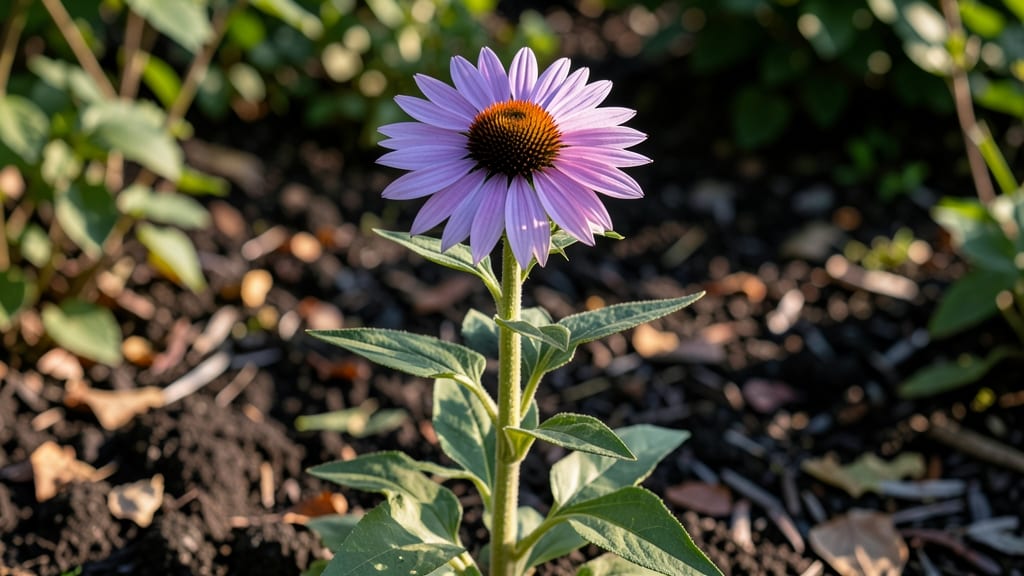
Purple coneflowers bloom in mid-to-late summer, turning your garden into a pollinator paradise 🌸 when timed just right.
Wondering when those striking purple blooms will finally burst into color? Timing everything right can mean the difference between a stunning garden centerpiece and a missed opportunity. Whether you're in USDA Zone 6a or beyond, knowing the right window makes all the difference.
These hardy perennials thrive in full sun, and with the right care, they’ll reward you with vibrant blooms from July through September. The key? Planting them in early spring or fall and ensuring well-drained soil.
Below, I’ll break down the exact bloom timeline by zone, plus simple tricks to extend their season—so you can enjoy these cheerful flowers for weeks longer.
Purple coneflower bloom timeline by USDA hardiness Zones
If you're eager to see those vibrant purple blooms of Echinacea purpurea light up your garden, timing is everything. Purple coneflowers are perennial powerhouses that thrive in USDA Zones 3-9, but their bloom windows vary dramatically depending on where you live.
Understanding these differences helps you plan your garden layout and companion plants for maximum impact.
The key to stunning purple coneflower displays lies in their seasonal adaptability. While they typically bloom from mid-summer to early fall, cooler northern climates may see earlier blooms, while warmer southern regions often enjoy extended flowering.
Let's break down what to expect in your specific zone to ensure you never miss their show-stopping color.
🌱
| USDA Zone | Early Bloom | Peak Bloom | Late Bloom | Notes |
|---|---|---|---|---|
| Zones 3-4 | Late June | July-August | Early September | Shortest season; may need cold protection |
| Zones 5-6 | Early July | Mid-July to August | Mid-September | Classic mid-summer bloomer |
| Zones 7-8 | Mid-June | July-September | Late October | Longest bloom window; may rebloom |
| Zones 9 | Late May | June-August | Early October | Can bloom year-round in mild winters |
In Zones 3-4, where winters are harsh, purple coneflowers often wait until late June to begin blooming, with their peak in July and August. This delayed start gives them time to establish strong roots before the growing season winds down.
The shortest bloom window in these zones means you'll want to plant them where they'll get maximum attention from pollinators.
Gardeners in Zones 5-6 enjoy the most classic purple coneflower experience, with blooms typically starting in early July and lasting through mid-September. This is the ideal zone for showcasing these flowers in cut flower arrangements or wildlife gardens, as their timing aligns perfectly with peak pollinator activity.
The cooler nights help extend their vase life significantly.
For those in Zones 7-8, the bloom season stretches luxuriously from mid-June through September, often lasting until late October. The warmer climate allows for reblooming later in the season, especially if you practice regular deadheading.
This extended display makes purple coneflowers a low-maintenance perennial that keeps your garden vibrant well into fall.
In Zone 9, where winters are mild, purple coneflowers often begin blooming as early as late May, with some varieties continuing through early October. The longest bloom window in these zones means you might even see winter blooms in exceptionally mild years.
This makes them perfect for year-round interest gardens or as drought-tolerant ground covers.
Regardless of your zone, purple coneflowers reward gardeners with minimal care requirements. Once established, they thrive with full sun exposure and well-draining soil. Their deep taproots make them incredibly drought-tolerant once settled in, though they'll appreciate regular watering during their first growing season to help them establish.
🌻
To maximize your purple coneflower blooms, consider planting them near companion plants that thrive in similar conditions. Black-eyed Susans, bee balm, and Russian sage all pair beautifully and extend your garden's seasonal interest.
Additionally, mulching around the base in late fall helps protect roots from temperature fluctuations, which can encourage earlier blooms the following year.
With this zone-specific timeline, you'll never be caught off guard when your purple coneflowers burst into bloom. Whether you're planning a pollinator-friendly garden or simply want to enjoy their striking color, understanding these seasonal patterns ensures you'll have show-stopping flowers right when you want them.
How to extend purple coneflower blooming season with simple gardening hacks
If you love the bold purple blooms of Echinacea purpurea, you’ll want them lasting as long as possible. While these hardy perennials typically bloom from mid-summer to early fall, a few gardening hacks can push those vibrant flowers into earlier spring or later autumn displays.
The key lies in smart pruning techniques, soil care, and strategic planting companions.
One of my favorite tricks is deadheading—removing spent blooms regularly to signal the plant to produce more flowers.
But that’s just the beginning. Soil amendments like compost or bone meal can provide the nutrients needed for extended blooming, while companion plants like yarrow or black-eyed Susans can create a thriving ecosystem that supports longer flowering seasons.
🌱 5 Simple Hacks to Extend Purple Coneflower Blooms
- 1 Start with well-draining soil enriched with compost before planting. This ensures strong root growth, which directly impacts bloom duration.
- 2 Practice regular deadheading—snip off faded blooms weekly to encourage new flower production and extend the season by 3-4 weeks.
- 3 Plant near companion plants like yarrow or bee balm, which attract pollinators and boost flower production.
- 4 Apply a light fertilizer (5-10-10) in early spring and late summer to support continuous blooming without overfeeding.
- 5 Mulch around the base with organic mulch to retain moisture and regulate soil temperature, which helps roots stay active longer.
For earlier blooms, try planting young plants in early spring (March-April) instead of seeds. This gives them a head start, and with proper care, you might see flowers as early as June.
Conversely, to extend blooms into fall, avoid cutting back foliage until late winter—this preserves energy for next year’s growth.
Another pro tip: Divide mature plants every 3-4 years to rejuvenate growth. Overcrowded roots can reduce flowering, so splitting clumps in early spring gives you fresh, vigorous plants that bloom more abundantly. Just ensure each division has healthy roots and at least one eye for regrowth.
With these simple strategies, your purple coneflowers can transform your garden into a long-lasting pollinator magnet from late spring to frost. The best part? These methods are low-maintenance and work for both new and established plants. Happy gardening! 🌻