
Plants
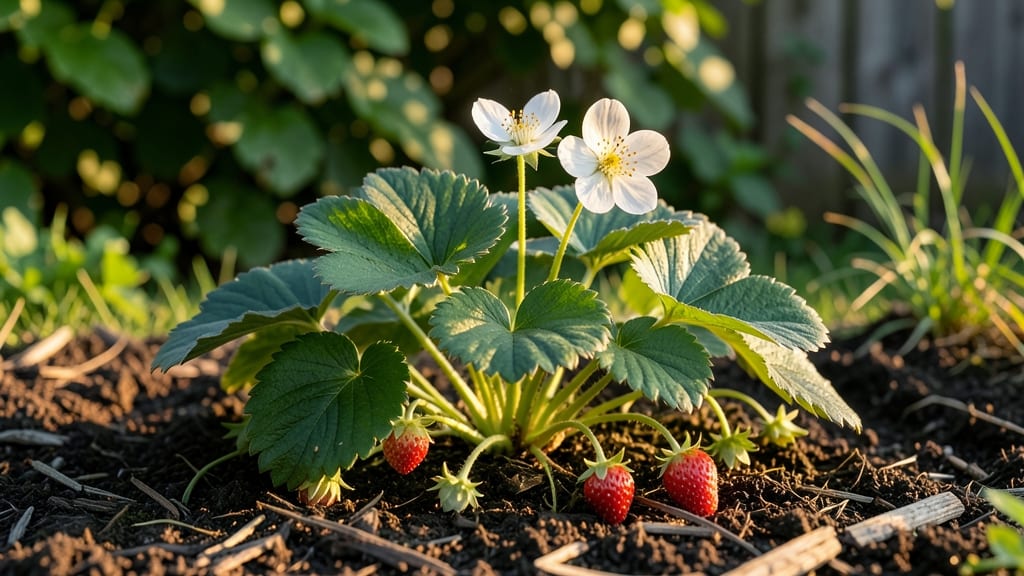
Strawberry plants flower when they’ve built enough strength—usually 4-6 weeks after planting in spring, but the exact timing depends on your variety and climate zone.
Picture this: you’ve just tucked in your 🍓 crowns in March, dreaming of summer harvests, only to wonder why nothing’s blooming by May. That delay isn’t laziness—it’s science. Day-neutral types might start flowering as early as April, while June-bearing varieties wait until late spring or early summer.
Get the timing wrong, and you could miss the window entirely.
Climate zone 6a gardeners (like me) typically see flowers appear in May or June, but cooler regions push that back, while warmer zones may see blooms as early as April.
The key? Understanding your strawberry’s personality—whether it’s a one-time June-bearing showstopper or a day-neutral repeat performer—and giving it the right conditions to shine.
In this guide, I’ll break down the month-by-month flowering schedule by zone, share the 3 signs your plants are ready to bloom, and reveal the simple tricks to encourage (or delay) flowers for bigger harvests. No guesswork—just timely berries.
Strawberry flowering timeline by USDA climate Zone (with key months)
Strawberry flowering follows a strict seasonal rhythm that shifts dramatically across the USDA climate zones. In Zone 3, for example, blooms may appear as early as late May, while gardeners in Zone 10 might see flowers year-round.
Understanding these patterns helps you time harvests and adjust care routines accordingly.
Three main strawberry types—June-bearing, everbearing, and day-neutral—each respond differently to temperature and daylight. June-bearing varieties, like 'Jewel', produce one massive bloom in spring, while everbearing types, such as 'Seascape', yield two harvests: one in early summer and another in fall.
Day-neutral varieties, like 'Albion', flower continuously when days are long.
Day length and soil temperatures trigger blooms. Most strawberries need 14+ hours of daylight to set flowers, but cool nights (below 70°F) can delay blooming until conditions stabilize. In warmer zones, like Zone 9-10, flowering may start as early as February and continue through November.
Here’s a month-by-month breakdown of when to expect flowers in your zone, plus tips to encourage healthy blooms and maximize your harvest.
In cooler zones (3-5), strawberries often delay flowering until soil temperatures rise above 50°F. If you’re in Zone 4 and see blooms in May, expect a June harvest.
Meanwhile, everbearing varieties in Zone 6 may produce a second flush in September if days shorten and temps dip.
For day-neutral varieties, like 'Ozark Beauty', flowering is less predictable. They’ll bloom whenever
How to tell if your strawberry plant is ready to flower (and what to do next)
Spotting the signs that your strawberry plants are about to flower helps you prepare for the harvest ahead. Most gardeners miss these subtle cues because they focus on leaves instead of the crown development and temperature triggers that kickstart blooms.
Whether you're growing June-bearing, everbearing, or day-neutral varieties, knowing what to look for ensures you don’t waste energy on first-year blooms that won’t produce fruit.
Flowering typically begins when your plant has developed 5-7 mature leaves and the crown reaches 2-3 inches wide. This usually happens 4-6 weeks after planting in ideal conditions, but cooler climates or late starts can delay it by several weeks.
Pay attention to these early signals before the first buds appear—because once they do, your plant’s energy shifts from growth to fruit production.
🌱 5 Key Signs Your Strawberry Plant Is Ready to Flower
- 1. Leaf Count: 5-7 fully unfurled leaves (not counting runners). Each leaf should be 3-5 inches long with a healthy green color.
- 2. Crown Size: The crown (where leaves meet roots) should be 2-3 inches wide. Measure from edge to edge at soil level.
- 3. Temperature Threshold: Daytime temps must stay above 50°F (10°C) for at least 3 consecutive days. Nighttime temps above 40°F (4°C) also trigger blooms.
- 4. Runners vs. Flowers: If you see thin, wiry stems (runners) instead of buds, your plant isn’t ready yet. Wait until runners slow down.
- 5. Bud Formation: Tiny green or pink buds appear in the leaf axils (where leaves meet the stem). These will open into flowers within 7-10 days.
If your strawberry plants are ready to flower but you’re not prepared for a harvest, you can delay blooms by removing the first flower clusters. This redirects energy to root and leaf growth, resulting in a stronger plant and bigger berries next season.
Simply pinch off the flower buds with your fingers or snips—no tools needed! This works best for June-bearing varieties, which produce all their fruit in one go.
For everbearing and day-neutral varieties, you’ll want to encourage flowering by ensuring they get 6+ hours of sunlight and consistent moisture. A light balanced fertilizer (like 10-10-10) applied when buds form can also boost bloom production.
Just avoid over-fertilizing—too much nitrogen leads to leafy growth at the expense of flowers.
Once flowers appear, protect them from pests like slugs and diseases like gray mold by watering at the base of the plant (never overhead) and using row covers if needed.
Within 3-4 weeks, those blooms will turn into berries—so keep an eye out for fully red, plump fruit ready for harvest!
🍓