
Flowers
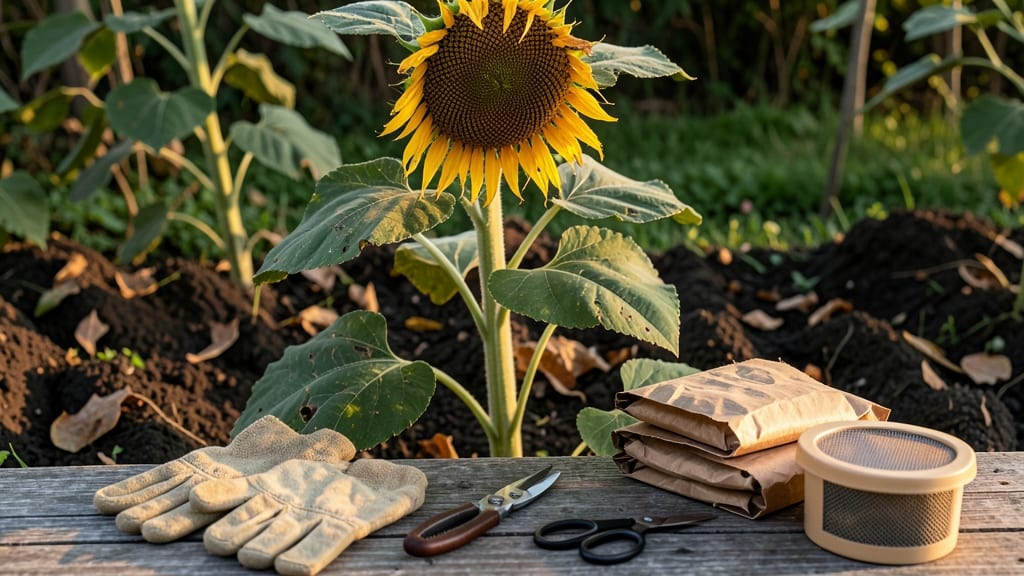
Sunflowers produce seeds about 70 to 120 days after planting, depending on the variety and growing conditions — but timing your harvest wrong means missing out on the best flavor and storage potential.
Picture this: you’ve nurtured your 🌻 from a tiny seedling into a towering garden star, only to watch the seed heads shatter before you can collect a single seed. That’s why knowing the exact stages — from bloom to seed ripeness — is the key to a bountiful harvest.
Most sunflowers reach peak seed production between July and September in USDA Zone 6a, but cooler climates or shorter-day varieties may delay this window. The secret lies in watching for visual cues like a yellowing back, dry petals, and that unmistakable rattle when you shake the head.
Below, I’ll walk you through the full timeline, how to spot the perfect moment to harvest, and pro tips for storing seeds so they stay viable for next year’s garden.
Sunflower seed production timeline: from bloom to harvest
Sunflowers follow a predictable growth cycle where seed production begins after flowering, but the exact timing depends on your climate and sunflower variety. Most gardeners wait 80-120 days after planting to harvest seeds, but knowing the stages helps you plan better.
I’ve grown sunflowers for years, and I’ve learned that patience pays off—harvesting too early means immature seeds, while waiting too long risks bird theft or seed loss.
The journey from seedling to seed production starts with a 6-8 week vegetative phase where the plant focuses on leaf and stem growth. After that, the real magic happens: the bud formation stage begins, leading to the iconic yellow blooms that eventually produce seeds.
Understanding these stages ensures you don’t miss the harvest window, which is typically a 4-6 week period after flowering.
| Stage | Time After Planting | Key Actions | Climate Impact |
|---|---|---|---|
| Germination | 5-14 days | Keep soil moist, 60-70°F | Cooler soils slow sprouting |
| Vegetative Growth | 6-8 weeks | Provide full sun, fertilize lightly | Warmer climates speed growth |
| Bud Formation | 2-3 weeks | Reduce water slightly to encourage blooms | Drought stress can delay buds |
| Flowering | 1-2 weeks | Protect from pests, watch for pollinators | Humidity affects pollination success |
| Seed Development | 4-6 weeks | Monitor for seed maturity cues | Hot, dry weather speeds ripening |
| Harvest Ready | 80-120 days | Cut heads, dry seeds indoors | Early frost shortens harvest window |
The flowering stage is where things get exciting for seed producers. Once the yellow petals open fully, the central disk flower begins developing seeds. This stage lasts about 1-2 weeks, during which bees and other pollinators play a crucial role.
I’ve noticed that dwarf varieties like 'Teddy Bear' flower faster—often in 60-70 days—while giant varieties like 'Mammoth' take closer to 100-120 days to produce seeds.
After flowering, the seed development phase begins, which is when the disk turns brown and the seeds inside mature. This is the most critical period for harvest timing. I always wait until the back of the seed head turns completely yellow-brown and the seeds rattle when shaken.
This usually happens 4-6 weeks after flowering, but it can vary based on your local climate and sunflower type.
One common mistake I see is harvesting seeds too early. Immature seeds won’t store well and may not germinate properly. To avoid this, I recommend checking your sunflowers weekly during the seed development phase. Look for the petals to drop naturally and the seed head to dry out.
If you’re in a hot, dry climate, seeds may mature faster—sometimes in as little as 30 days after flowering.
Climate plays a huge role in seed production timing. In cooler regions like the Pacific Northwest, sunflowers may take longer to mature, sometimes stretching the harvest window into early fall. Meanwhile, in hot, southern climates, seeds can be ready by late summer.
I once grew sunflowers in Zone 9 and harvested seeds in July, while my friends in Zone 5 didn’t harvest until September.
If you’re growing sunflowers for seed production, choose varieties known for their high seed yield. My top picks are 'Autumn Beauty' (great for storage) and 'Russian Giant' (huge seed heads). These varieties not only produce
How to tell when sunflowers are ready to harvest seeds
Knowing exactly when sunflowers produce seeds is key to harvesting plump, viable seeds for next year's garden. Most varieties take 70-120 days from planting to seed maturity, but visual cues—not just days—tell the real story.
The seed head's color and texture change dramatically as seeds ripen, signaling it's time to act.
First, watch for the petals to drop naturally. This happens when the flower has finished pollination and the plant shifts energy to seed development. The back of the seed head will also begin turning from green to dull yellow or brown, a clear sign the seeds are maturing inside.
Ignoring these early warnings can lead to overripe seeds that shatter or attract pests.
⚠️ callout warning
Harvesting too late causes seeds to shatter and scatter, wasting your crop. The seed head should rattle when shaken gently—this means seeds are dry and ready. If you wait until the head turns fully brown, you risk losing 50%+ of seeds to birds or wind.
🌾 Pro Tip: Use a paper bag over the seed head to catch stray seeds if your plants are mature but not quite ready.
Next, perform the "shake test"—gently grasp the seed head and shake it over a brown paper bag. If seeds rain down like confetti, they're ready. If nothing falls, wait 3-5 more days and retest.
This method works best in dry weather, as moisture can delay ripening and make seeds stick to the head.
Check the seed moisture level by slicing open a single seed with a sharp knife. If the inside is dry and hard (like a sunflower seed you'd eat), it's harvest time.
If it's still soft or moist, return the plant to the garden for another week. Overlooking this step can lead to seeds that won't germinate next season.
Finally, examine the leaves at the base of the plant. As seeds mature, the plant redirects nutrients from leaves to the seed head, causing lower leaves to yellow and die back.
Healthy upper leaves remain green, but the bottom third should show clear signs of senescence. This nutrient shift is your final green light to harvest.
Timing your harvest correctly ensures high-quality seeds for planting or snacking. Miss the window, and you'll either have underripe seeds that won't store well or overripe seeds that scatter everywhere. With these cues, you'll never miss the perfect moment again! 🌻