
Flowers
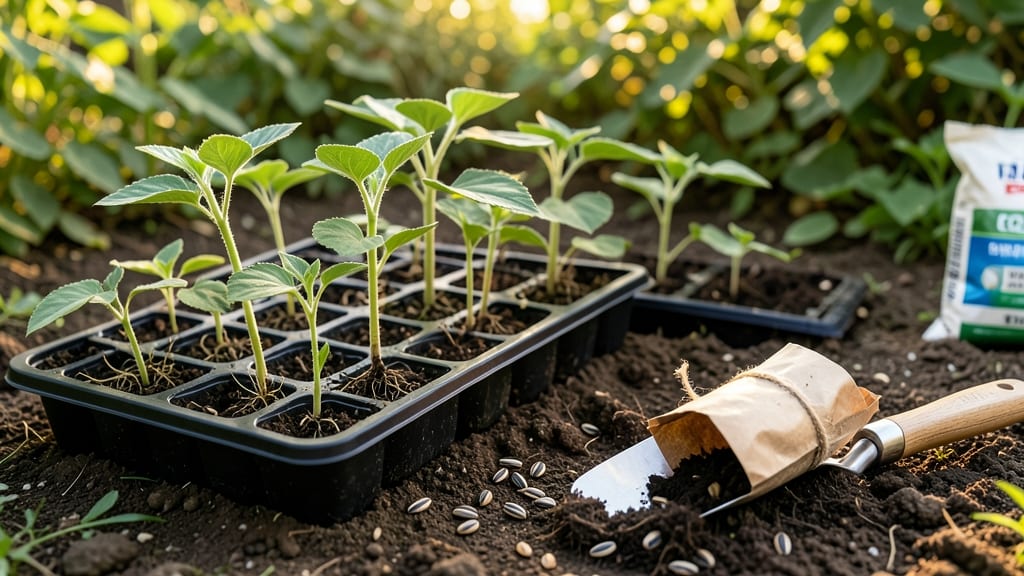
Planting sunflowers in Tennessee after the last frost date—typically mid-April—sets them up for fast germination and towering blooms by summer.
Sunflowers thrive in Tennessee’s warm climate—but planting them at the wrong time can mean slow growth or stunted blooms. Timing matters more than you think, especially when soil temperatures trigger fast germination.
In USDA Zones 6a-7b, the key is waiting until the soil warms to at least 55°F, which usually aligns with late April to early June. Planting too early risks frost damage, while waiting too long may shorten the growing season for taller varieties.
Below, I’ll break down the best planting windows by region, soil prep tips for quick sprouting, and how to choose sunflower varieties that match Tennessee’s short growing season.
Best planting months for sunflowers in Tennessee based on soil temperature
Tennessee's diverse climate means sunflower planting dates vary dramatically across regions. East Tennessee's cooler valleys (USDA Zone 6a) need earlier starts, while West Tennessee's heat (Zone 7b) allows later plantings. The key factor? Soil temperature—sunflower seeds won't germinate well below 55°F, and optimal growth occurs at 60-70°F.
Timing right ensures your sunflowers reach their 6-16 foot potential before Tennessee's first frost in October.
For early varieties like 'Teddy Bear' (2-4 ft tall), start planting in March-April when soil warms to 55°F. These dwarf types mature quickly (45-60 days), making them perfect for East TN's shorter growing season.
In Middle Tennessee, you can push planting to late April for these varieties, while West TN gardeners can wait until early May when nighttime temperatures consistently stay above 50°F.
| Region | Ideal Planting Window | Soil Temp Threshold | Best Varieties | Key Consideration |
|---|---|---|---|---|
| East TN (Zone 6a) | March 15 - April 30 | 55-60°F | Teddy Bear, Autumn Beauty | Frost pockets delay warming |
| Middle TN (Zone 6b-7a) | April 15 - May 15 | 60-65°F | Moulin Rouge, ProCut | Balanced heat and humidity |
| West TN (Zone 7b) | May 1 - June 1 | 65-70°F | Russian Giant, Mammoth | Extended growing season |
| All Regions | July (succession planting) | 60°F+ | Any variety | Late blooms for fall color |
For tall varieties like 'Russian Giant' (12-16 ft), wait until May-June when soil temperatures consistently stay above 60°F. These giants need 90-120 days to mature, so planting too early in East TN risks frost damage before they reach full height.
In West TN, you can push planting to early June for late-season blooms, though you'll need to monitor humidity levels—sunflowers are susceptible to powdery mildew in Tennessee's muggy summers.
Tennessee's microclimates create planting opportunities beyond these general guidelines. In valley areas like the Cumberland Plateau, plant 2-3 weeks earlier than your zone suggests, while urban heat islands in cities like Nashville or Memphis can support 30-day later plantings.
Always check local frost dates—East TN's last frost often occurs in mid-April, while West TN may see no frost until late March.
If you're growing sunflowers for seeds, aim for late June plantings in Middle and West TN. These fall-planted sunflowers develop larger seed heads with more oil-rich seeds, perfect for bird feeders or cooking.
In East TN, stick to early July plantings for seed crops, as the growing season shortens significantly after mid-August. Remember: sunflowers need 6-8 hours of full sun daily, so choose south-facing beds with well-draining soil.
For container growing, adjust planting dates by 1-2 weeks later than ground plantings. Pots warm up 5-10°F faster than soil, but they also dry out quicker. Use black plastic pots to absorb heat and plant in May for all varieties across Tennessee.
In containers, dwarf varieties like 'Sunspot' (2-3 ft) thrive best, as they won't outgrow their 5-gallon pot limits.
One common mistake Tennessee gardeners make is
How to check soil temperature and prepare beds for fast sunflower germination
Sunflowers need warm soil to germinate quickly—ideally between 55–60°F. In Tennessee, this often means waiting until late April or May, especially in East TN’s frost pockets.
A simple soil thermometer (just $10 at garden centers) tells you when it’s time to plant, saving you from waiting too long or planting too early.
Before checking temperatures, clear your bed of weeds and debris, then loosen the soil 6–8 inches deep with a garden fork. Sunflowers love well-draining soil, so avoid compacted or clay-heavy areas.
If your soil is cold or damp, spread a black plastic mulch 2–3 weeks before planting to warm it up naturally.
⚠️ callout warning
❄️ Don’t Plant Too Early in East TN!
Frost pockets in regions like Johnson City or Knoxville can delay soil warming. Even if air temperatures feel warm, soil may still be below 50°F. Use a soil thermometer—not a weather app—to avoid rotten seeds or stunted growth. Wait until consistent 60°F+ readings for 3–5 days.
Once your soil hits the ideal temperature range, amend the bed with 2–3 inches of compost mixed into the top 6 inches. Sunflowers are heavy feeders, so add a balanced fertilizer (10-10-10) at planting time. Work it into the soil gently to avoid disturbing seeds later.
For faster germination, plant seeds 1 inch deep in rows 18–24 inches apart. Thin seedlings to 12–18 inches apart once they’re 3–4 inches tall. Water deeply but infrequently—sunflowers hate soggy soil. Aim for 1–2 gallons per plant every 3–5 days during dry spells.
If you’re in West TN’s hotter zones, you can push planting to late June for a fall harvest. Just monitor soil moisture closely—drought stress slows germination. Mulch with straw or grass clippings to retain moisture and regulate temperature swings.
Pro tip: Mark your planting date on a calendar and track germination times. Most sunflower varieties sprout in 7–14 days under ideal conditions. If seeds take longer, check for too-wet soil or poor seed viability—sunflower seeds stay good for 2–3 years if stored dry.